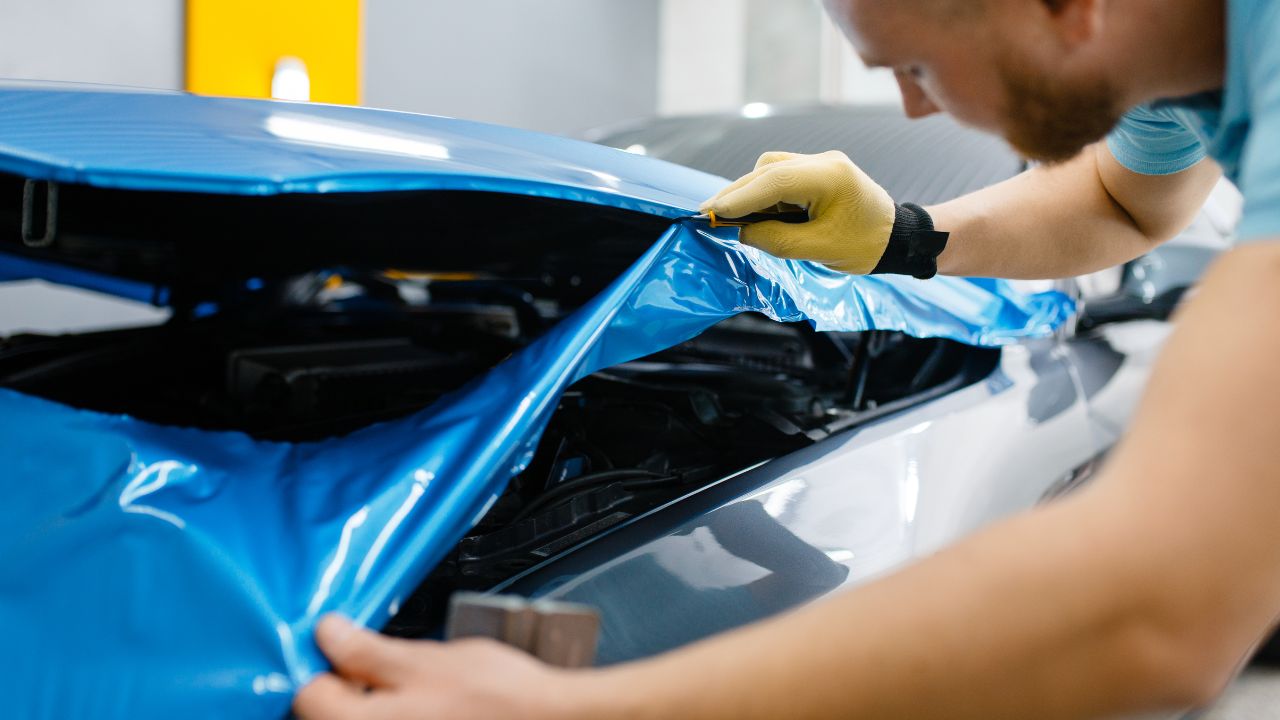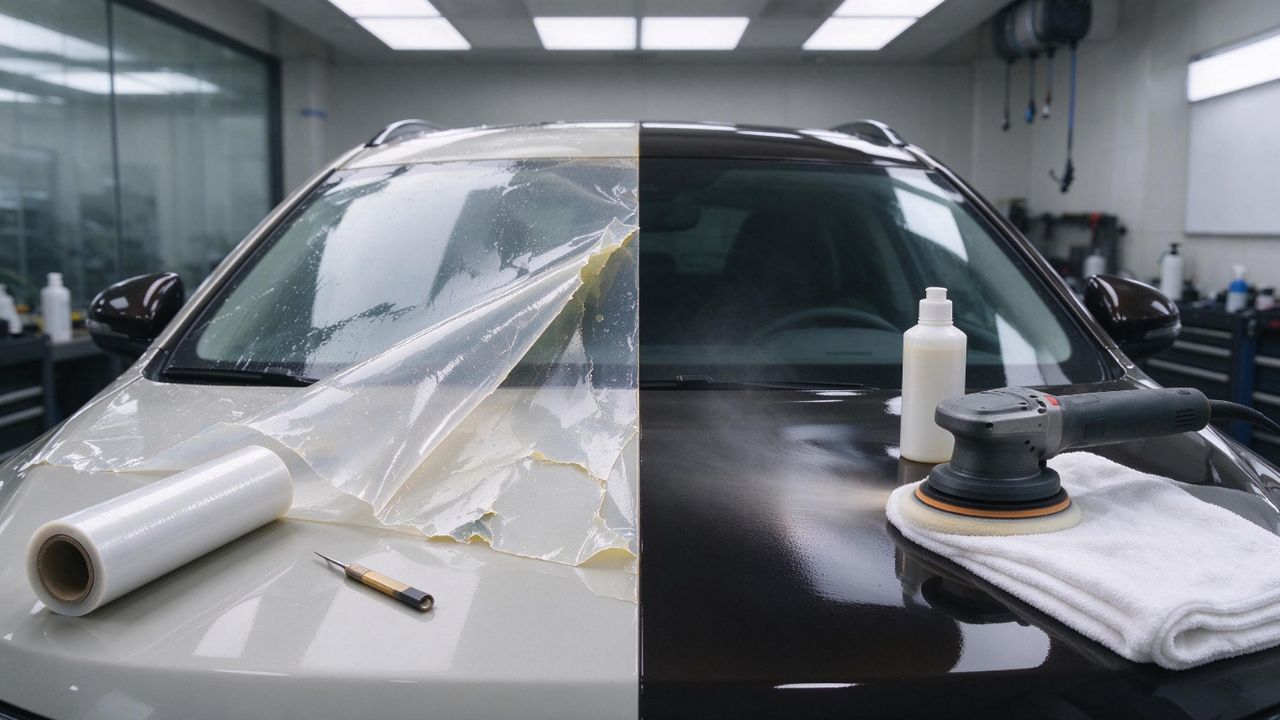

Minor scratches, UV exposure, chemical contamination and installation issues can all affect the performance and appearance of PPF over time. Self-healing PPF effectively addresses these challenges through advanced surface restoration capabilities and long-lasting protection. Understanding its performance, benefits and key specifications will help you make a more informed product choice.
What Is Self-Healing PPF?

Self-Healing PPF is a TPU-based paint protection film with a self-healing top coat designed to recover from minor surface scratches and swirl marks. When cleaned, swirl marks and fine scratches appear on the film’s surface. Heat activates the polymer network in the self-healing top coat, allowing minor surface deformation to recover over time. This process automatically fills the scratch grooves, restoring the surface’s smoothness. This process can be triggered repeatedly and is not a one-off effect.
The self-healing property significantly reduces the frequency with which end customers return to the shop for rework. We recommend that models with clearly specified self-healing temperature parameters be designated as key product SKUs. This will not only increase the average transaction value but also effectively reduce customer complaints regarding after-sales service.
Self-Healing PPF Performance
Self-Healing Performance
Self-healing performance is primarily determined by the formulation and structure of the self-healing top coat, while the TPU substrate contributes to the film’s overall mechanical performance. When purchasing, you should focus on two verifiable parameters: the minimum temperature required to initiate the self-healing process and the time required for complete self-healing. Self-healing capabilities vary significantly between different suppliers. We recommend requesting third-party test videos or reports to clarify the self-healing conditions and effectiveness.
Durability and Protection
Durability depends directly on the quality of the TPU substrate. High-quality aliphatic TPU-based PPF can provide long-term protection, with product service life commonly depending on the film formulation, top coat, installation quality, and environmental exposure. You should prioritize verifying raw material sources instead of relying merely on brand marketing claims. Film thickness should be selected based on the required level of protection, flexibility, and installation performance. Thicker films are not necessarily better if they compromise conformability or installation efficiency. Thicker is not necessarily better. In fact, excessive thickness may actually make application more difficult.
UV and Chemical Resistance
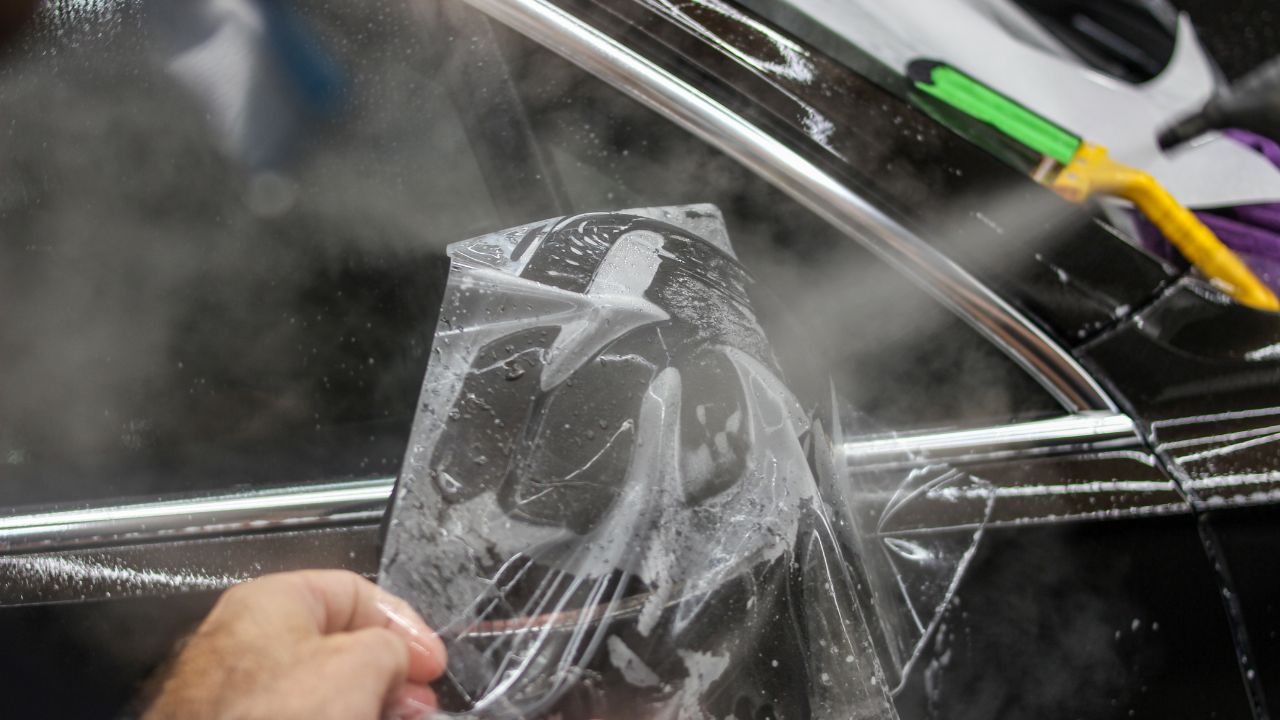
UV and chemical resistance are influenced by both the top coat and the TPU substrate, as well as the overall film formulation. High-quality products should pass QUV accelerated ageing tests and acid-alkali immersion tests to ensure that the paint film does not yellow or whiten. This is crucial to the end user’s actual experience. Environmental pollutants such as bird droppings, tree sap and acid rain pose a serious threat to car paintwork and are also common causes of after-sales complaints.
Optical Clarity and Surface Finish
Optical clarity determines the visual appearance once installed. For clear PPF, high light transmittance, gloss retention, and surface uniformity are important indicators of optical quality. Suppliers should provide test data measured under defined conditions. Once installed, the film is virtually invisible to the naked eye. Surface flatness directly affects resistance to soiling and ease of cleaning. It not only impacts aesthetics but also makes the surface more prone to accumulating dust and grime. For high-end vehicle customers, optical clarity is typically their primary concern regarding quality, and it is a key factor in helping you win over high-net-worth clients.
Adhesion and Installation Performance
A well-designed adhesive system should provide sufficient initial repositionability during installation while developing reliable final bond strength after application. When removed within its normal service life, it should leave no residue and should not damage the clear coat. When purchasing, the origin of the adhesive system supplied by the supplier should be verified. Poor‑quality adhesives may cure, migrate or even corrode surface coatings under long‑term use or high‑temperature conditions. The resulting repair costs far exceed the initial price difference.
Benefits of Self-Healing PPF
Longer-Lasting Surface Protection
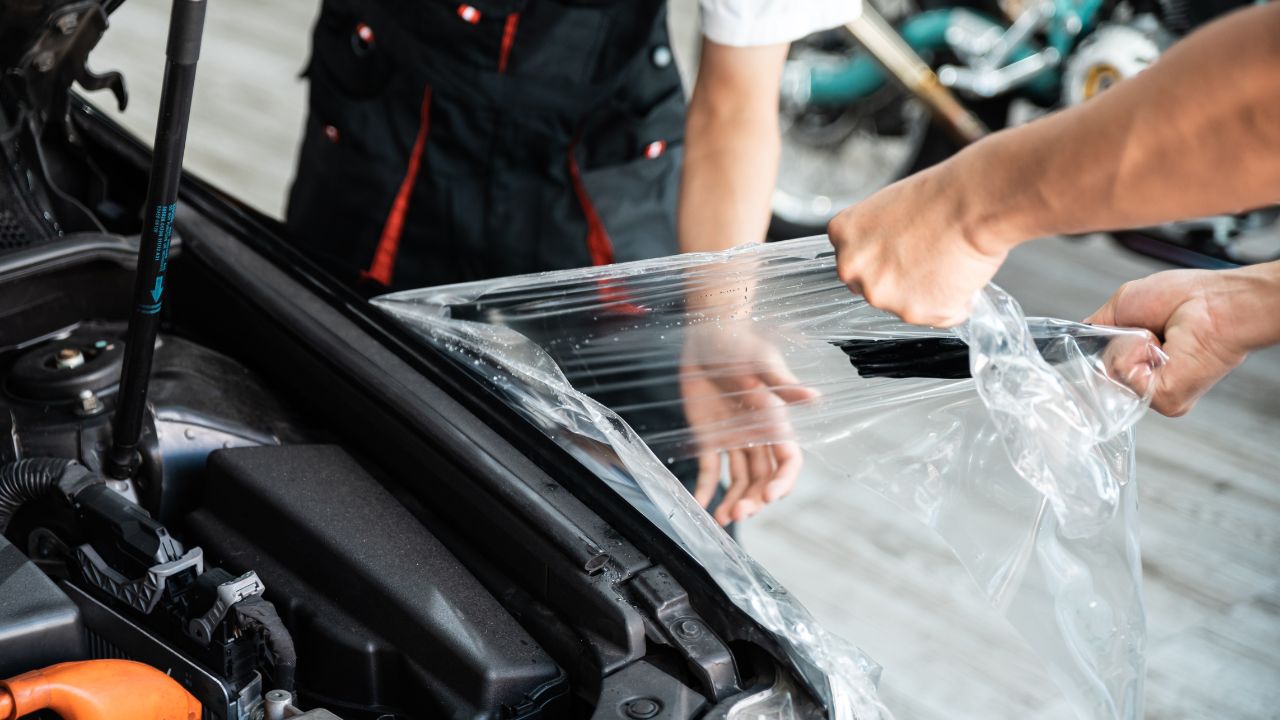
Self-healing top coats help maintain the film’s surface appearance by recovering minor scratches and swirl marks during normal use. Over a five‑to‑seven‑year timeframe, the end‑user’s vehicle paintwork remains close to its factory‑new condition. Premature replacement of the protective film is avoided, substantially lowering long‑term ownership costs.
Reduced Appearance-Related Complaints
A common challenge for car detailing businesses is repeated rework caused by minor cosmetic issues. Self-healing PPF can effectively eliminate these minor imperfections, significantly reducing customer complaints and the time spent on touch-up paintwork. This allows you to focus more on serving new customers, rather than repeatedly dealing with cosmetic issues that could have been avoided.
Premium Product Positioning
Self-healing PPF can help you differentiate your product offering from conventional PPF by combining surface protection with visible self-healing performance. Instead of competing on film price alone, you can use the self-healing function to offer higher-value PPF packages, such as premium installation and extended protection services. This supports premium pricing while giving customers a clearer reason to choose a higher-end product.
Broader Market Applications
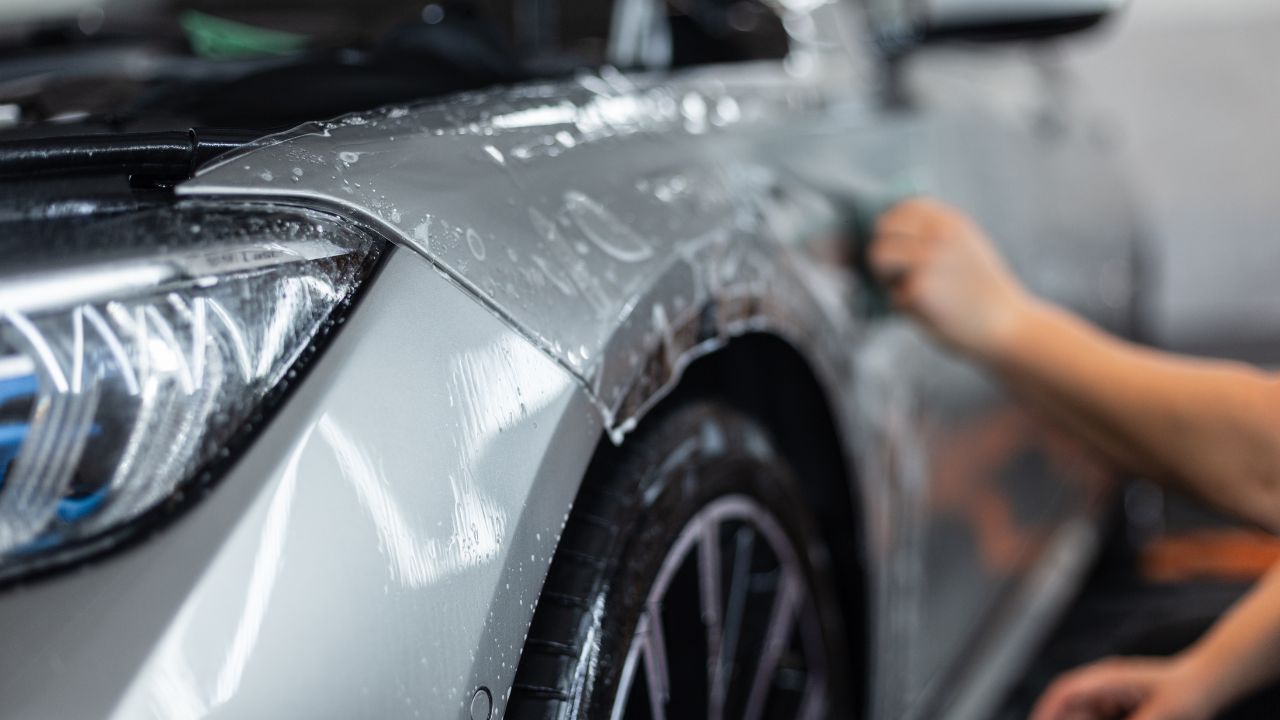
The applications of self-healing paint protection film have expanded from traditional supercars to everyday commuter vehicles, electric cars, motorbikes and even headlamp protection. This enables you to reach a wider customer base and create business opportunities across a broader range of sales scenarios, no longer limited to a single high-end market.
Self-Healing PPF vs. Conventional PPF
| Factor | Self-Healing PPF | Conventional PPF |
| Scratch Recovery | Excellent | Limited |
| Surface Protection | High | Moderate–High |
| Product Positioning | Premium | Standard |
| Application | Premium & Commercial | General |
| Cost | Higher | Lower |
Key Buying Factors for Self-Healing PPF
TPU and Film Structure
The quality of the TPU substrate directly affects its puncture and tear resistance. Verify the TPU grade, raw material supplier, technical datasheet and relevant test data rather than
evaluating quality based on supplier name alone. The overall performance of the film depends on the synergistic effects between its various functional layers, rather than the performance of any single layer.
Installation Performance
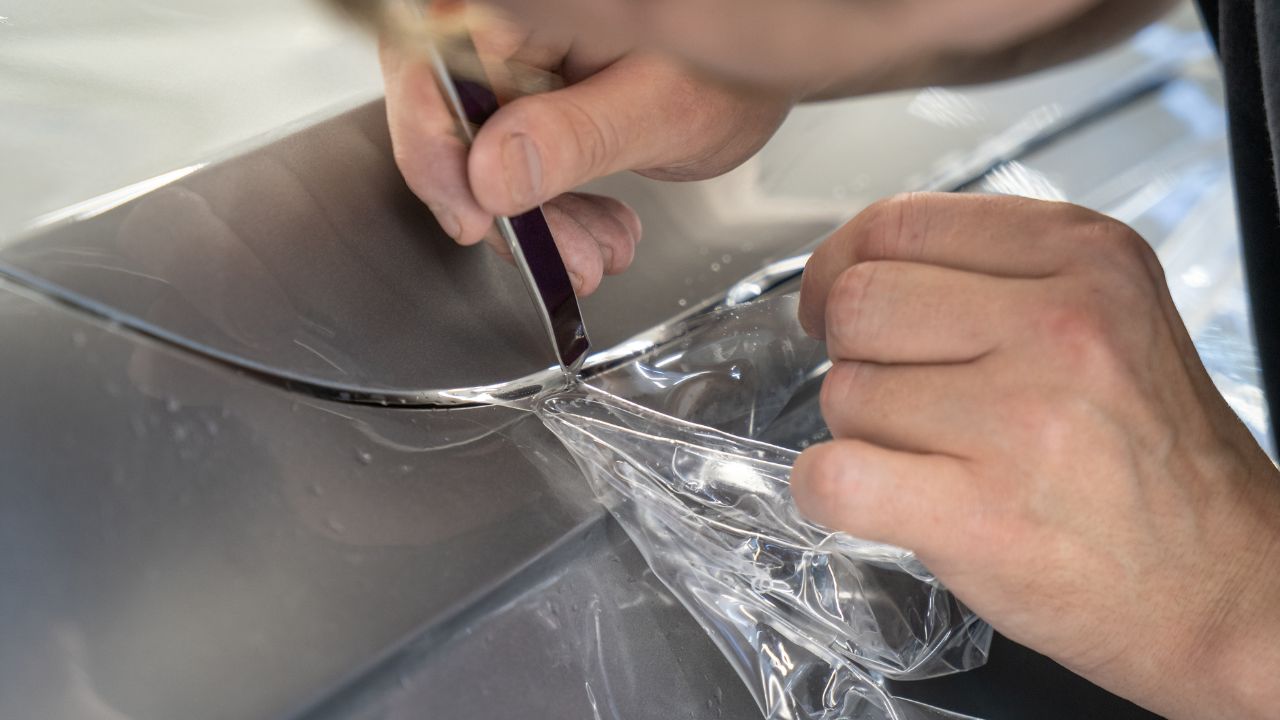
Installation efficiency has a direct impact on your shop’s labour productivity. High-quality self-healing TPU PPF features moderate initial adhesion. It allows easy positioning and stretching while delivering higher tolerance to temperature and humidity fluctuations during installation. Selecting an easy‑to‑install product can reduce fluctuations in installation difficulty brought by seasonal changes, lowering technician training costs and material waste.
Long-Term Durability
The self-healing capability should not deteriorate significantly over time. You must confirm that the molecular memory effect of the surface coating remains stable following repeated thermal activation, and that the overall structure shows no signs of yellowing or embrittlement. The supplier must provide long-term ageing test data to verify the performance degradation curve over its 5- to 10-year service life.
Cost and Value Assessment
Price differences in self‑healing PPF mainly come down to raw material grade and coating‑process maturity. Lower‑cost products can require more labour during installation and may yellow or lose self‑healing performance within two to three years. Instead of merely comparing per‑roll purchase prices, we advise assessing the five‑year total cost of ownership. Factor in installation waste, complaint handling and warranty‑related replacements. Stable‑quality offerings deliver better long‑term cost‑efficiency and help you keep hidden after‑sales expenses under control.
Quality, Consistency, and Testing
Batch consistency is a fundamental requirement for large-scale procurement. Suppliers must implement a full‑process traceability system covering raw‑material procurement through finished‑product dispatch and provide third‑party test reports for compliance verification. Consistent quality allows you to issue formal written quality assurances to downstream customers, without concerns over complaints caused by batch‑to‑batch variations.
Supply and Customization Capability
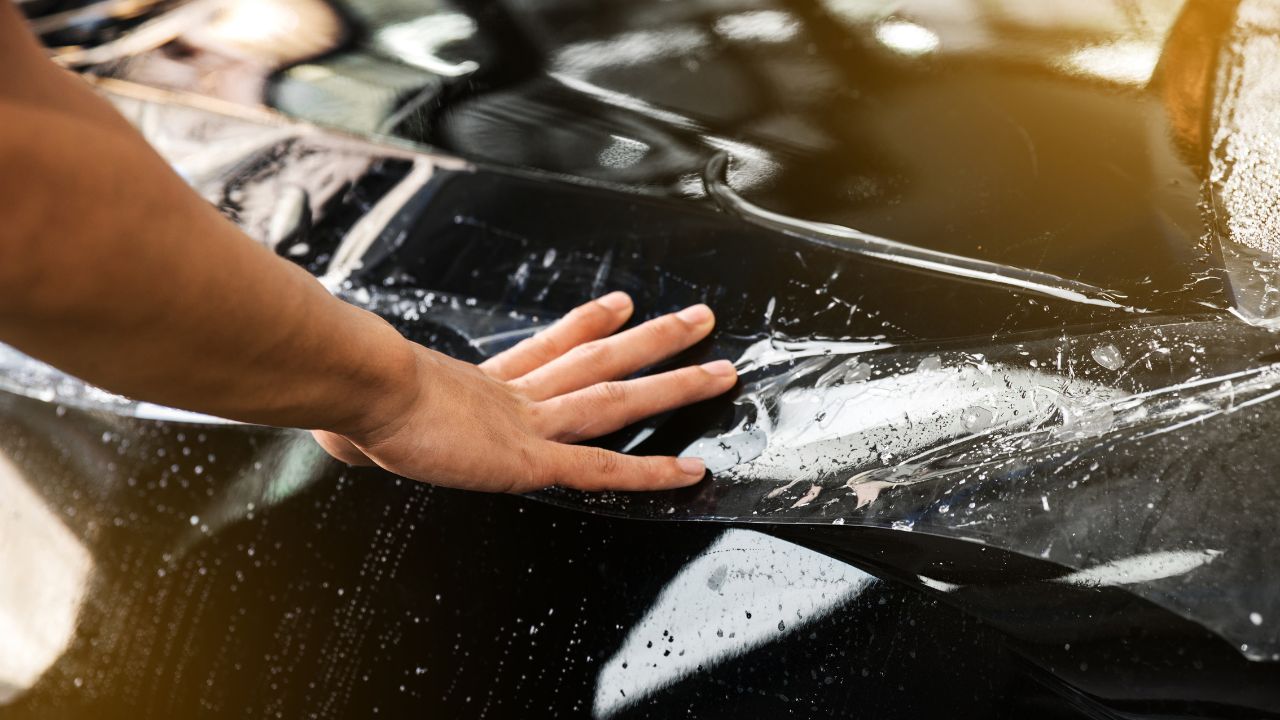
A stable supply chain and the ability to provide bespoke services are key to the viability of a long-term partnership. You need to assess whether the factory’s monthly production capacity aligns with your order schedule and whether it can provide OEM services such as back-side logo printing, bespoke packaging and custom colours. Suppliers capable of responding flexibly to bespoke requirements are a key resource in helping you establish barriers to entry for your own brand.
FAQs
What Is the Typical MOQ for Self-Healing PPF?
Minimum order quantities vary by supplier and typically range from 1 to 50 rolls. Many specialist manufacturers offer lower minimum order quantities, allowing you to place trial orders with very little risk. Large-volume OEM orders usually require higher minimum order quantities, but the unit price is correspondingly more competitive. We recommend starting with a small batch to verify product consistency and then gradually increasing the order volume once quality has been confirmed.
Can Self-Healing PPF Be Customized for Private Label Brands?
Yes. Most PPF manufacturers offer comprehensive OEM customisation services, including logo printing on the reverse side, bespoke packaging design and brand colour development. Some suppliers also offer spot colour matching to meet specific brand requirements. Provided the supplier has stable custom production capacity, this approach can effectively strengthen brand differentiation and help businesses avoid homogenised price competition.
How Should Self-Healing PPF Be Stored Before Installation?
Self-healing PPF should be stored in a cool, dry environment, with the temperature maintained between 15 and 25°C and relative humidity kept at approximately 50 per cent. Avoid direct sunlight and heat sources. Rolls should be stored horizontally and must not be stacked beneath heavy objects to prevent deformation. Correct storage ensures that adhesive performance and the functionality of the self-healing topcoat remain unaffected, thereby preventing unnecessary after-sales issues at the source.
What Certifications Should B2B Buyers Request for Self-Healing PPF?
B2B buyers should request RoHS and REACH compliance documentation, together with third-party test reports covering key PPF performance indicators. These should include UV/QUV accelerated ageing, tensile strength, elongation, adhesive performance, yellowing resistance, chemical resistance, and coating performance. For large-volume procurement, buyers should also verify batch consistency and test conditions to ensure that reported results are representative of actual production.
How Can Distributors Evaluate Samples Before Placing a Bulk Order?
We recommend scenario-based practical testing: evaluate installability by applying the film to vehicle panels with different curvatures; simulate daily-use scratches and inspect self-healing performance; examine optical clarity and surface texture. Conduct comparative accelerated ageing tests. Test conditions should be as close as possible to the actual usage environment, rather than relying solely on idealised laboratory data.
What Causes Batch-to-Batch Differences in Self-Healing PPF?
Batch-to-batch variations are primarily caused by changes in raw material suppliers, fluctuations in production process parameters, errors in coating thickness control, and inconsistencies between adhesive batches. Choosing a manufacturer with strict quality‑control procedures and raw‑material traceability capability effectively lowers quality risks caused by batch‑to‑batch variations. It ensures every incoming product batch meets expected performance standards.
Final Thoughts
The right Self-Healing PPF should deliver consistent performance while fitting your application, quality requirements, and supply needs. Looking for reliable specifications or customized solutions? Contact us today for samples, technical details, and a tailored quotation.