
Choosing the right PPF material directly affects protection, appearance, installation performance, and product lifespan. But what is PPF made of, and how do TPU, PVC, and TPH differ? This article compares key PPF material types and technical properties to help you select suitable materials for your product line and market.
What Is PPF?
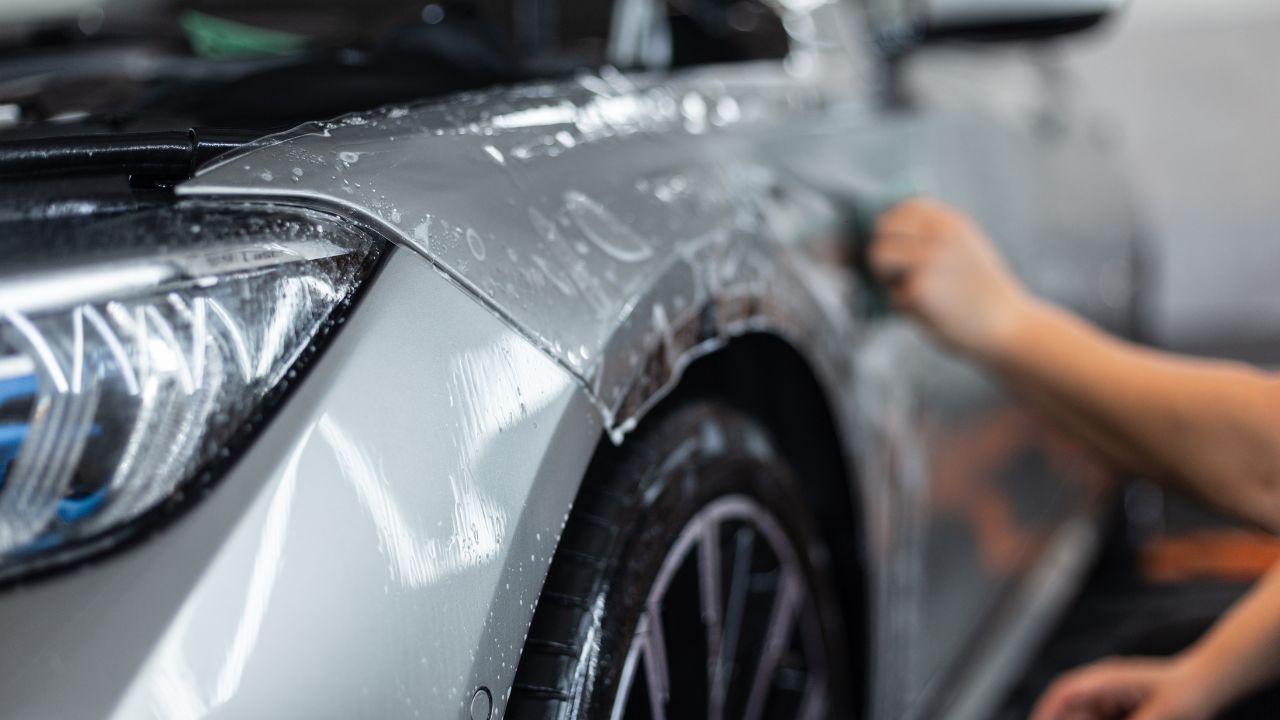
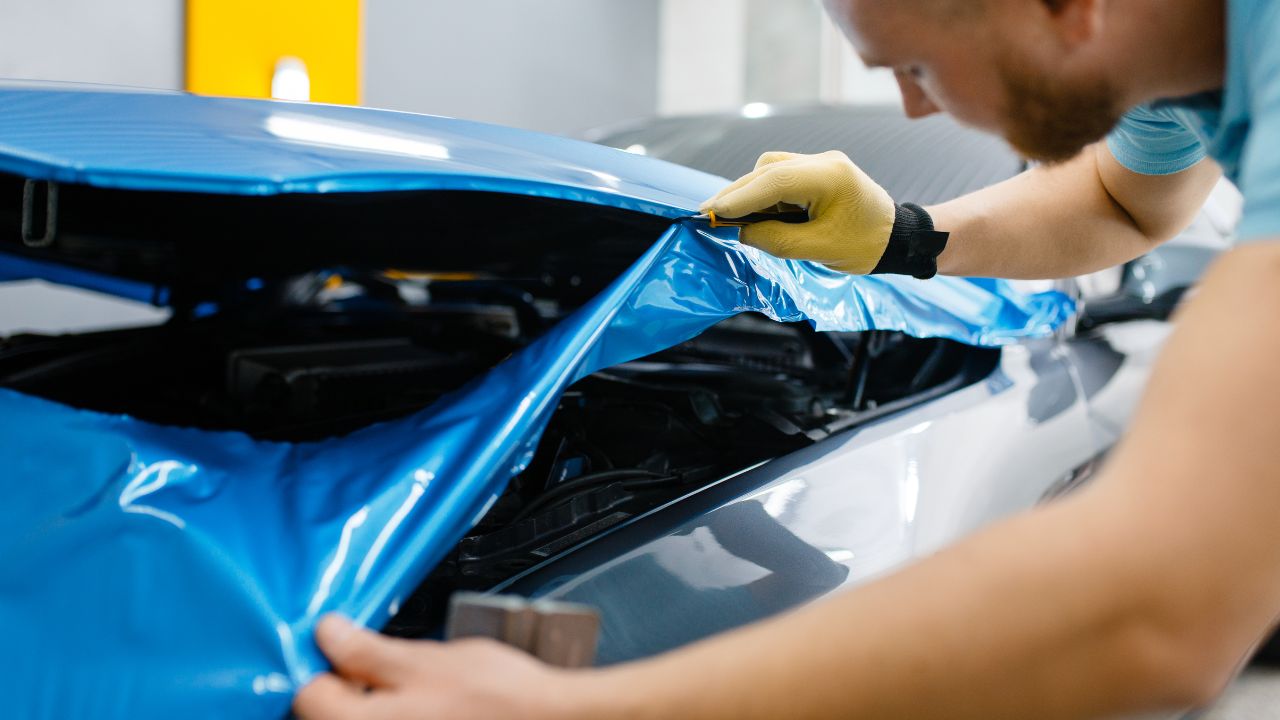
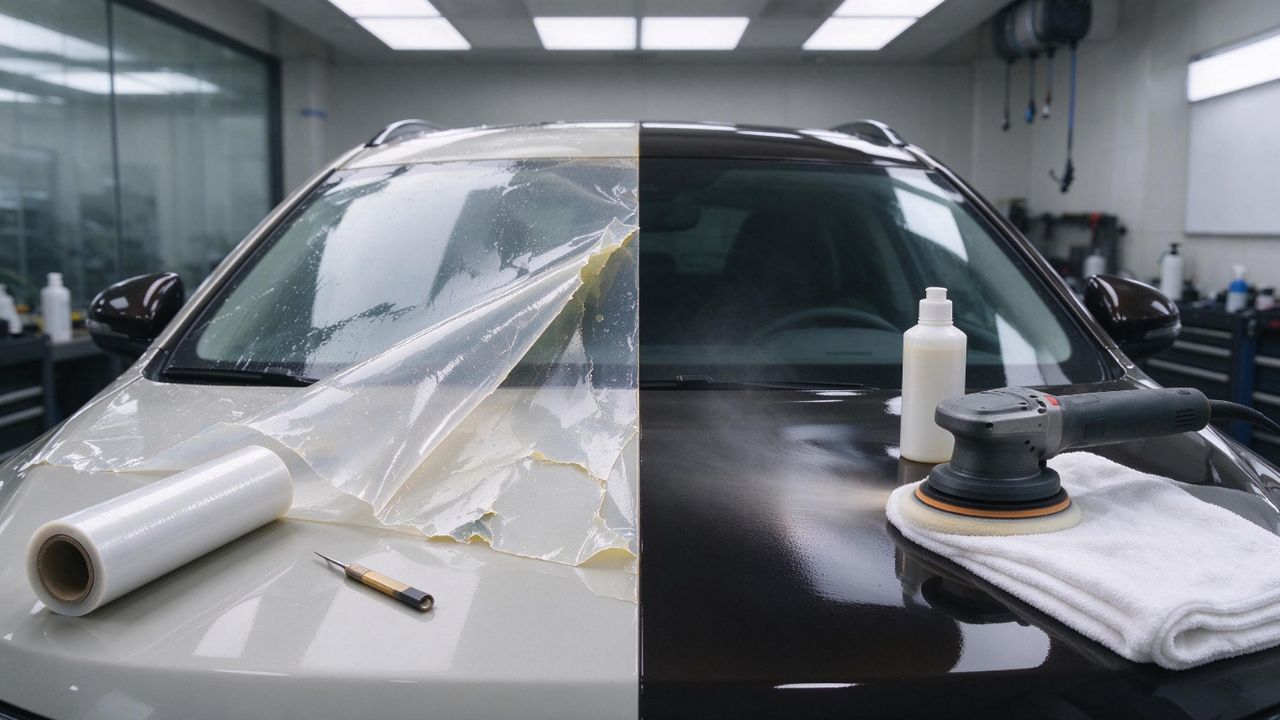
PPF, or Paint Protection Film, is a transparent, multi-layered film applied to the surface of a car’s paintwork. If you are asking what PPF is on a car or what PPF means, PPF is designed to protect painted surfaces from stone chips, scratches, road debris, and environmental contamination. The main PPF material typically includes a TPU substrate, top coat, and adhesive layer.
Choosing a PPF essentially means selecting a material system; understanding which type of TPU the supplier uses will help you determine whether a product is worth purchasing far more effectively than any marketing claims.
PPF Material Types
TPU PPF Material
TPU is one of the most widely used PPF TPU materials for high-performance paint protection film, offering excellent flexibility, impact resistance and optical clarity. It conforms closely to the complex curves of a vehicle’s bodywork with no spring‑back effect. It efficiently absorbs impact energy from stone chipping while retaining near‑transparent optical performance. Aliphatic TPU excels in resistance to yellowing, keeping the film surface clear for 5 to 10 years.
When purchasing, note that the film’s real‑world yellowing‑resistance performance depends not only on the TPU grade but also on a combination of stabiliser formulations, top‑coating technologies and manufacturing processes. Therefore, when selecting products, requesting to see complete accelerated ageing test data will be more informative than simply focusing on the material name.
Aliphatic TPU vs Aromatic TPU
The key difference between the two lies in their molecular structure. Aliphatic TPU does not contain benzene rings, offers good UV stability, maintains optical transparency during long-term outdoor use, and is resistant to yellowing. Aromatic TPU, on the other hand, contains benzene rings in its molecular structure. It is prone to oxidation and discolouration when exposed to UV light, and often has a shorter service life.
For high-end PPF products, aliphatic TPU is often considered among the best PPF material options because of its stronger resistance to UV-induced yellowing. However, the final resistance to yellowing is not determined solely by the type of TPU. Stabilisers in the formulation, the top-coating process and manufacturing precision also play a crucial role. Verifying the specific accelerated ageing test results for the product is a more reliable basis for selection.
PVC PPF Material
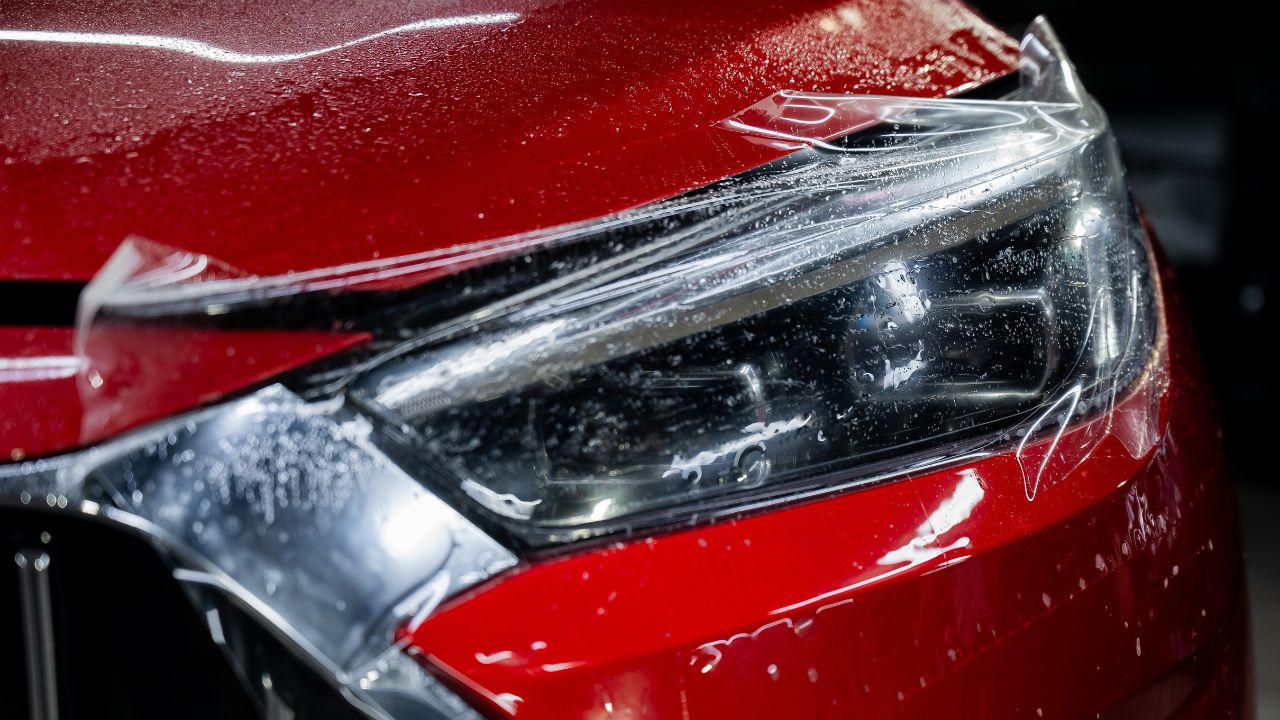
PVC was a material commonly used in the early days of PPF. It is relatively hard but has limited tensile properties. It does not adhere well to complex curved surfaces, lacks self-healing properties, and is prone to yellowing and becoming brittle after prolonged use. If a product is intended for short-term use or is marketed primarily on the basis of price competitiveness, PVC may still be considered as an option. However, its protective performance and service life fall significantly short of those of TPU-based PPF.
TPH PPF Material
TPH is a generic term used in the market to refer to certain modified thermoplastic material systems. As specific formulations and processes vary considerably between suppliers, it does not constitute a strictly standardised material category. It is difficult to ascertain the actual performance based on this name alone, and one should not simply equate it with a fixed quality level when purchasing.
When sourcing, we recommend requesting detailed technical data sheets and third‑party test reports from your supplier. Base your purchasing decisions on actual test data instead of material names alone. This is far more reliable than relying on vague material classifications.
PPF Material Performance Differences
| Performance | TPU PPF | PVC PPF | TPH PPF |
| Flexibility | High | Moderate | Moderate–High |
| Elongation | High | Lower | Moderate–High |
| Impact Protection | High | Moderate | Moderate |
| Yellowing Resistance | High-quality aliphatic TPU | Lower | Moderate–High |
| Self-Healing | Available | Limited | Available in some formulations |
| UV Resistance | High with proper formulation | Moderate | Moderate–High |
| Chemical Resistance | High | Moderate | Moderate–High |
| Cost | Higher | Lower | Mid-range |
PPF material cost varies according to the substrate, TPU grade, film thickness, topcoat formulation, adhesive system and production volume.
Key Factors Behind PPF Material Performance Differences
Tensile Strength and Elongation
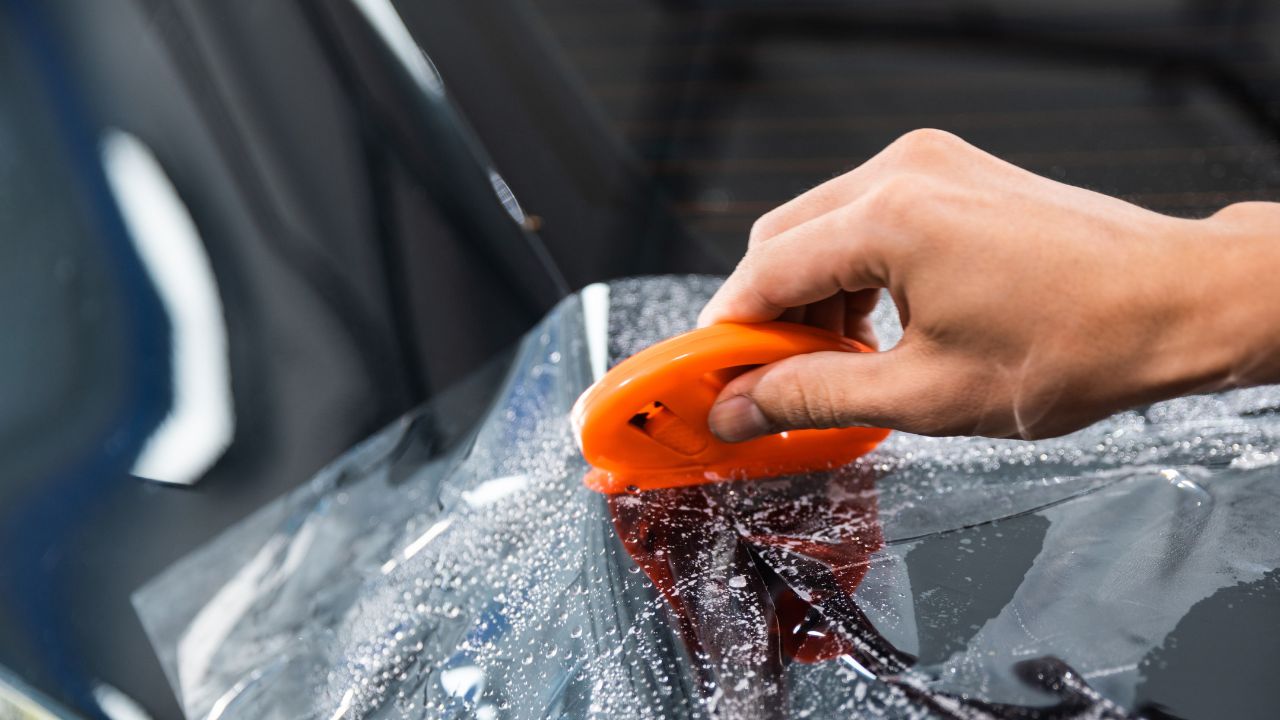
Tensile strength reflects a film’s resistance to tearing, while elongation at break reflects its stretchability. High elongation at break allows the film to conform better to curved surfaces during installation with no spring‑back. This greatly improves fitting efficiency over complex body sections.
Data provided by different suppliers can only be directly compared if they are based on the same test method and specimen specifications. When reviewing technical specifications, you should first check whether the test standards are consistent to avoid being misled by differences in the figures.
Thickness and Dimensional Consistency
Thickness directly affects impact resistance and the feel during installation. However, consistency in thickness is more important than absolute thickness. You should pay attention to the nominal thickness, the thickness tolerance range, the width tolerance and consistency between batches. Products with excessive tolerances are prone to localised adhesion issues or stress concentration during installation.
When purchasing, you may request that suppliers provide factory test reports for each batch. Suppliers who keep thickness tolerances within a reasonable range typically indicate a more consistent production process.
Optical Clarity and Yellowing Resistance
Optical clarity and resistance to yellowing determine the visual appearance of the film surface during long-term use. Clear PPF is particularly dependent on these two factors. Excessive haze will cause the paintwork to lose its translucency, while insufficient resistance to yellowing will result in the film surface turning yellow, thereby compromising its aesthetic appeal. When sourcing, ask your supplier to provide QUV accelerated‑ageing test data. Pay close attention to changes in light transmittance and yellowing index after extended exposure. The closer the test conditions and duration are to actual usage scenarios, the greater the reference value of the data.
Topcoat and Surface Durability
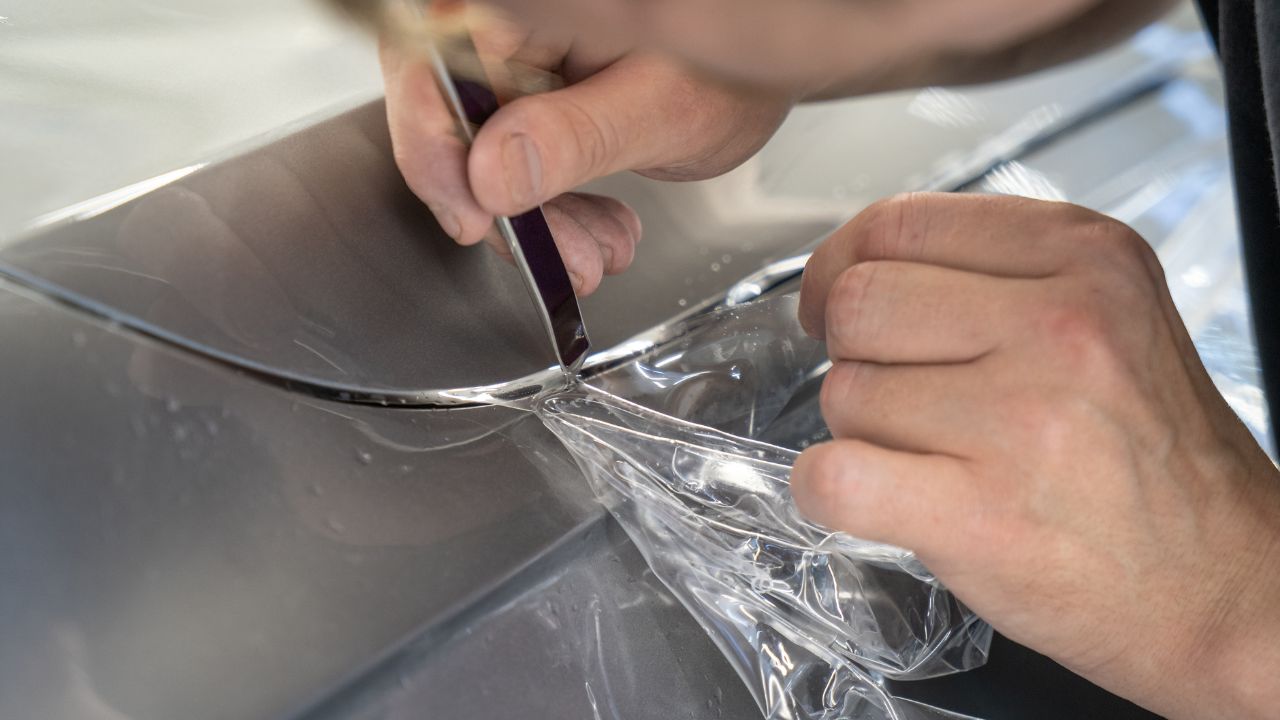
The top coat is the outermost functional layer of PPF, performing multiple functions, including self-healing, resistance to chemical corrosion, stain resistance and water repellency. Bond strength between the top coat and TPU substrate is equally important. Poor adhesion may cause top‑coat delamination, making the film lose its self‑healing and stain‑resistant performance.
Even with a high-quality TPU substrate, the service life of the final product will be significantly reduced if the top coat exhibits poor adhesion. When procuring, suppliers should be required to provide coating adhesion test reports, as these serve as a crucial basis for assessing the long-term reliability of the top coat.
Adhesive Performance and Compatibility
The adhesive layer acts as the bonding layer between the PPF and the paintwork. Its performance directly affects the installation experience and long-term reliability. The initial tack determines whether the film can be easily positioned and adjusted during installation, while the final bond strength ensures long-term adhesion without curling at the edges.
Removability determines whether the clear coat will be damaged when the film is removed. Compatibility between the adhesive layer, the top coat and the substrate is equally crucial. An incompatible adhesive system may lead to curling at the edges or adhesive residue. When purchasing, verify that the source of the adhesive system is clearly identified; products from leading suppliers such as Ashland or 3M are generally more reliable.
FAQs
How Does PPF Material Choice Affect Installation Training Requirements?
There are marked differences in the installation characteristics of different materials, and the level of difficulty involved directly impacts technician training costs and installation efficiency. TPU offers good flexibility and a high margin for error, making it relatively easy for novices to master, while PVC and TPH are relatively hard and have limited stretch, placing stricter demands on the technician’s technique. Choosing installation-friendly materials can reduce training time and installation wastage, delivering tangible improvements to the operational efficiency of the salon.
How Can PPF Material Quality Affect Warranty Claims?
The quality of the materials directly determines the incidence of problems during the warranty period. Poor-quality TPU or PVC will start to yellow, become brittle and crack, or suffer from coating delamination within approximately two years, leading to a large number of customer complaints and costs associated with replacement shipments. High-quality aliphatic TPU, combined with a stable top coat, can maintain consistent performance for between five and ten years. Choosing the right materials provides the confidence to stand by warranty commitments, naturally reducing after-sales disputes.
How Should PPF Material Be Managed Across Multiple SKUs?
The key to managing multiple SKUs is to build a clear material‑grading system. Products are classified by material type, thickness and performance level, allowing customers to quickly locate suitable options according to their vehicle model and budget. At the same time, it is essential to maintain thorough batch traceability records so that, should any quality issues arise, the responsible batch can be swiftly identified. If suppliers can provide a material database and batch coding standards in tandem, your stock management will run much more smoothly.
What Supply Chain Risks Should PPF Brands Consider When Changing Materials?
Changing materials may pose risks to batch consistency, require adjustments to application processes, and raise concerns about customers’ perceptions of differences between the new and old products. As TPU formulations and coating processes vary between suppliers, switching may affect film thickness uniformity or lamination performance. Brand owners should carry out sample validation and application testing in advance to confirm that the new material’s performance meets expectations before proceeding with a phased transition.
What PPF Material Variables Can Be Customized for Private Label Products?
Customisable variables include the type of TPU substrate, overall thickness, functional formulation of the top coat, choice of adhesive system, the logo on the backing, and packaging design. Some suppliers also offer spot colour matching or adjustments to specific self-healing properties to meet the requirements of different market positioning strategies. Brand owners should clarify their product positioning in advance and clearly communicate their customisation requirements to the factory to avoid frequent adjustments later on that could affect delivery times.
Final Thoughts
The right PPF material can improve product performance, reduce warranty risks, and strengthen your market positioning. Contact us to discuss your PPF material requirements, request technical data, or get samples for evaluation. We can help you develop reliable PPF solutions for wholesale, OEM, and private-label applications.