
Features of WrapMasterPPF High Gloss Color PPF
- High gloss level ≥95 GU for a bright, glossy finish.
- Rich color appearance, closer to high-gloss automotive paint.
- Surface roughness Ra ≤ 0.02 μm.
- Less visible waviness and orange peel.
- A self-healing topcoat helps light surface scratches recover with moderate heat.
- Holding adhesion >2200 g helps the film stay firmly on edges and curved areas.
High Gloss Color PPF Manufacturer in China
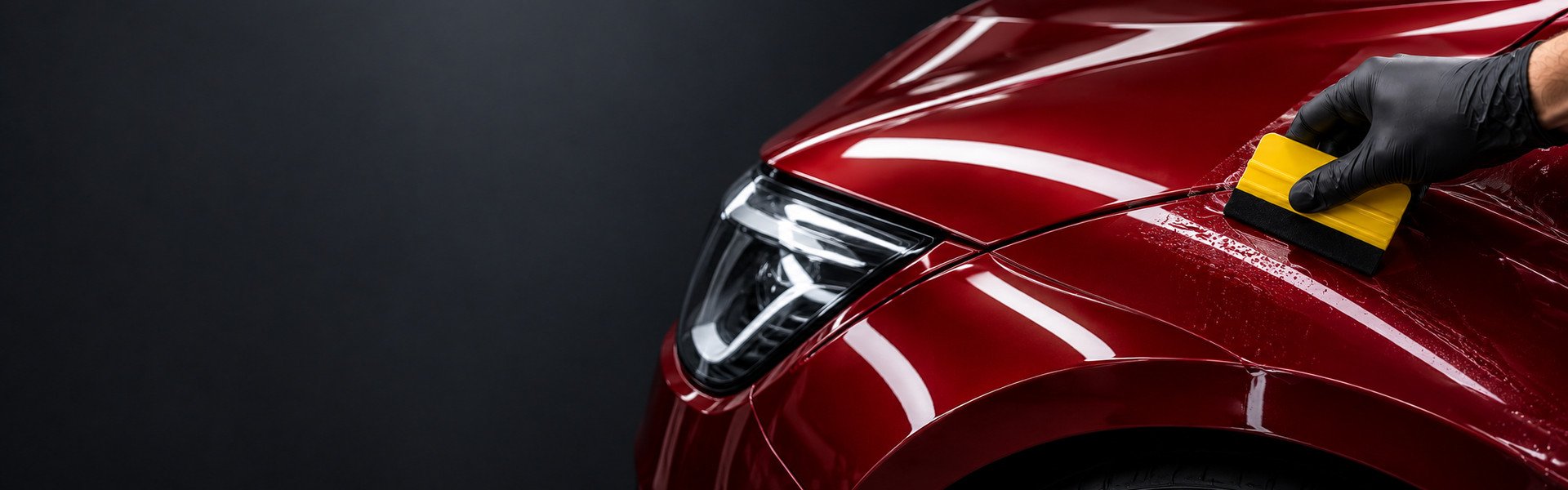
WrapMasterPPF high gloss color PPF is made for projects that need strong gloss, rich color, and a look close to high-gloss automotive paint. Its smooth TPU surface helps reduce orange peel and keeps the finish more even on flat and curved areas. You can use it for luxury cars, sports cars, showroom vehicles, and full-body color change projects. It is a good choice when your customers care about gloss, color depth, and a clean paint-like finish. The film also protects the original paint from stone chips, road debris, and daily wear.
As a TPU color PPF manufacturer and supplier, we produce high gloss color PPF with a monthly capacity of up to 50,000 rolls, supporting large-volume orders. With more than 700 colors available, we control batch color differences within ΔE ≤ 1.5 to reduce color-matching rework and save rework time. In addition to color customization, we support wholesale color PPF, OEM, private label, and backing liner logos, helping you develop products that match your brand and market requirements.
Types of WrapMasterPPF High Gloss Color PPF Classified by Finishes
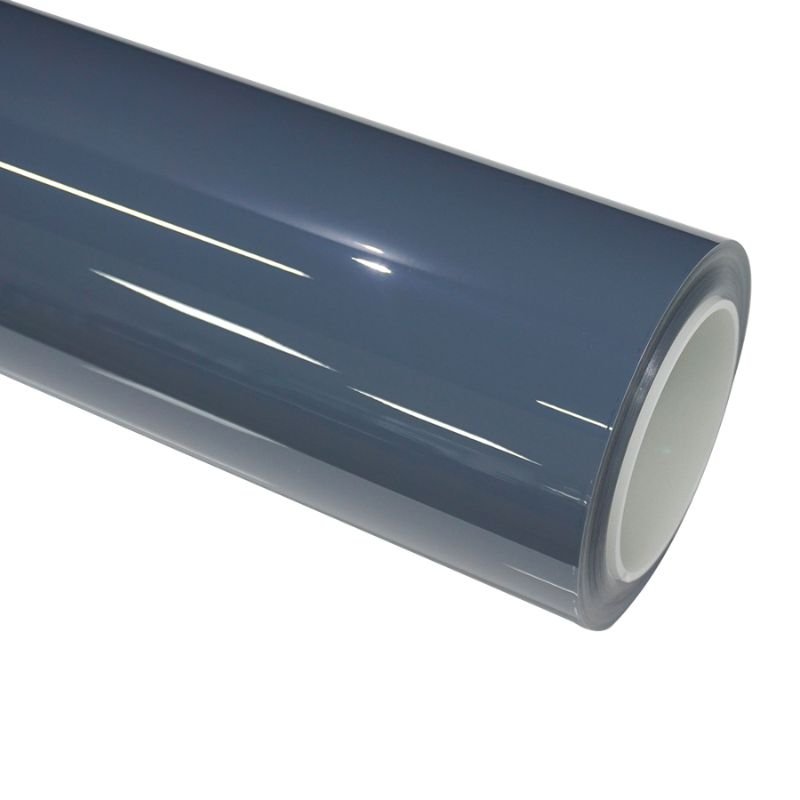
A pure, opaque color with deep, even gloss, fully covers original paint, a budget-friendly option.
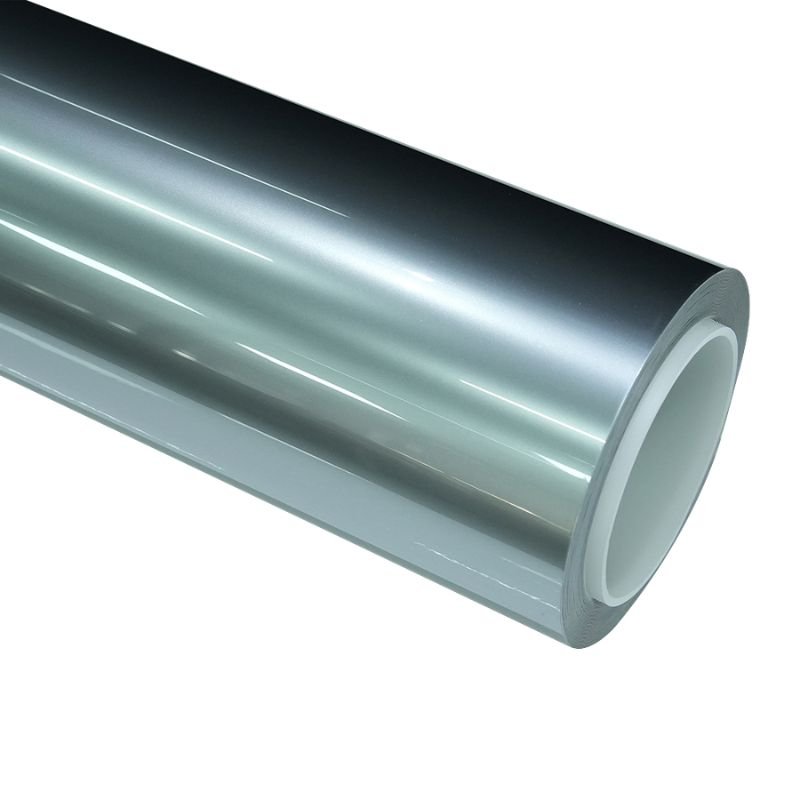
Adds fine metal flakes, has the look of premium metallic paint.
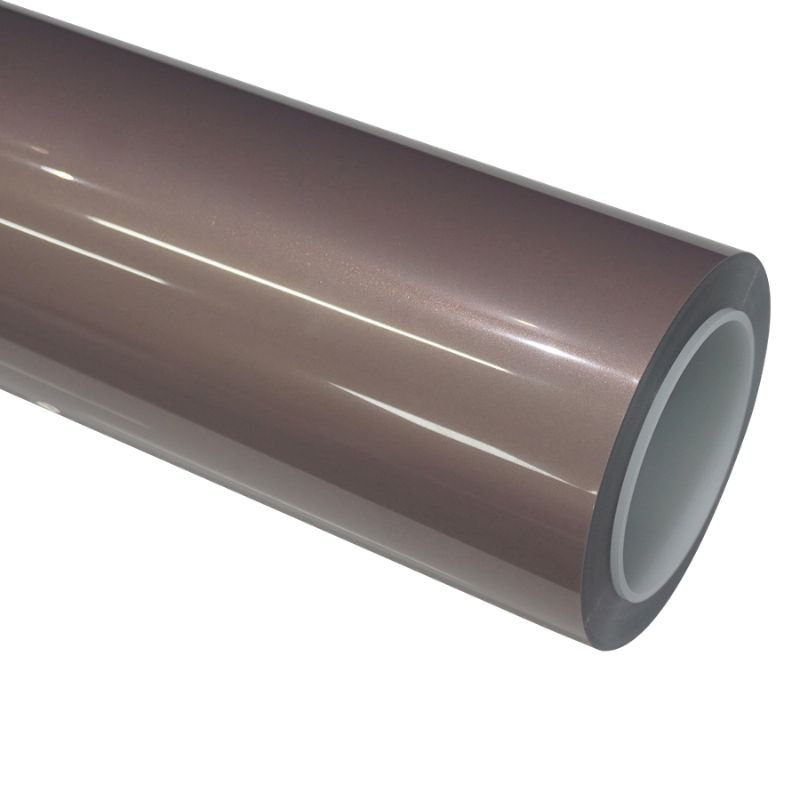
Uses pearlescent mica particles to create a soft, luminous glow, shows different colors as the angle changes.
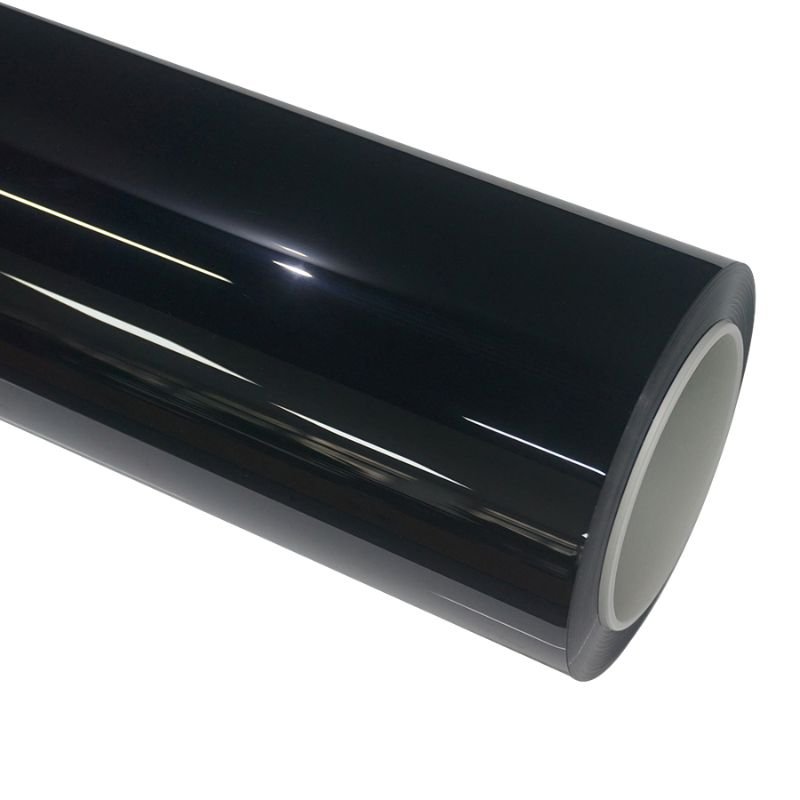
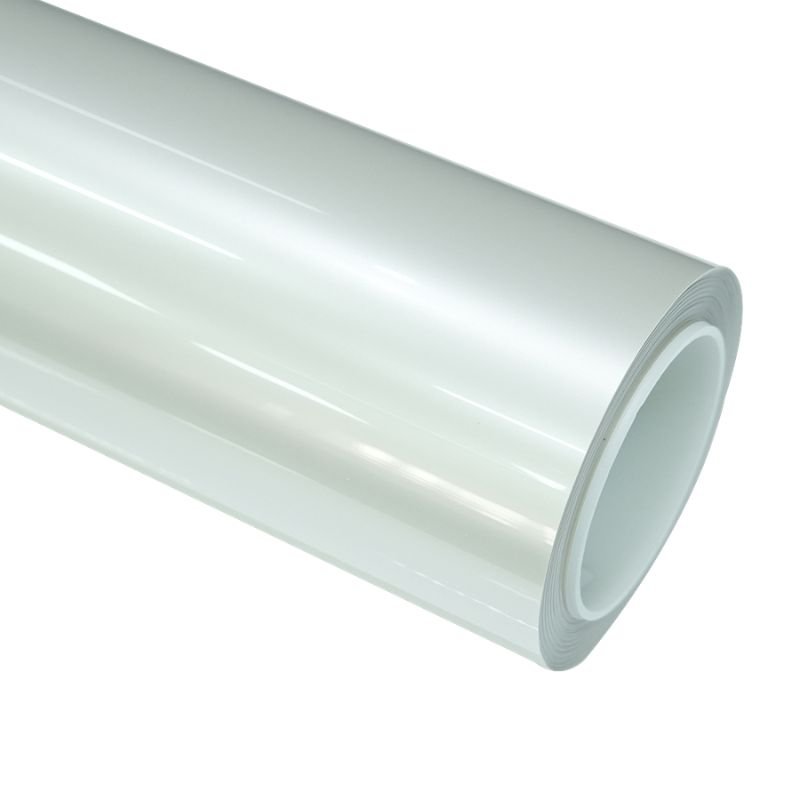
Classified by Colors
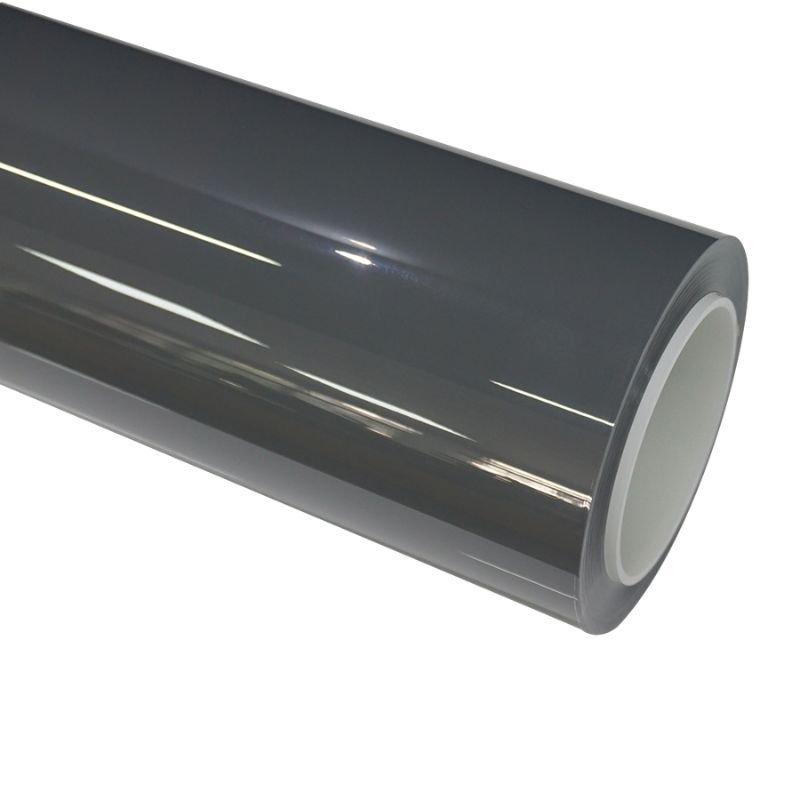
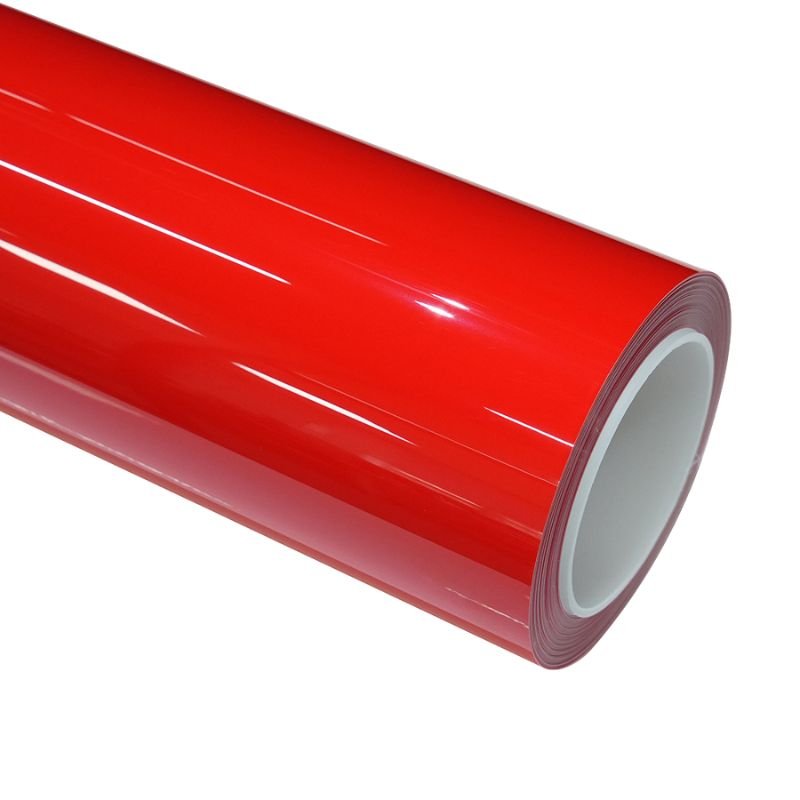
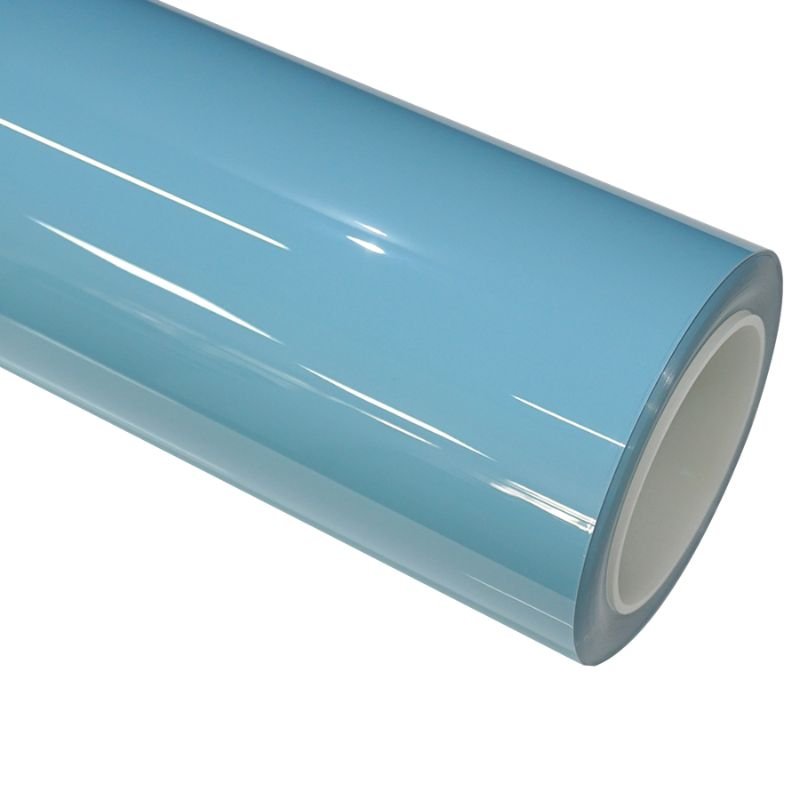
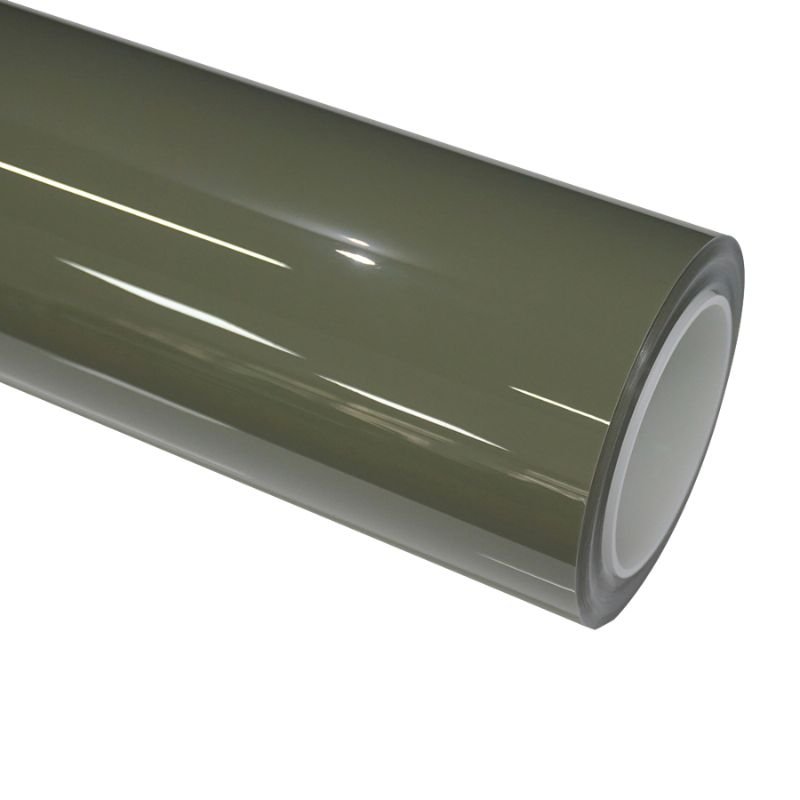
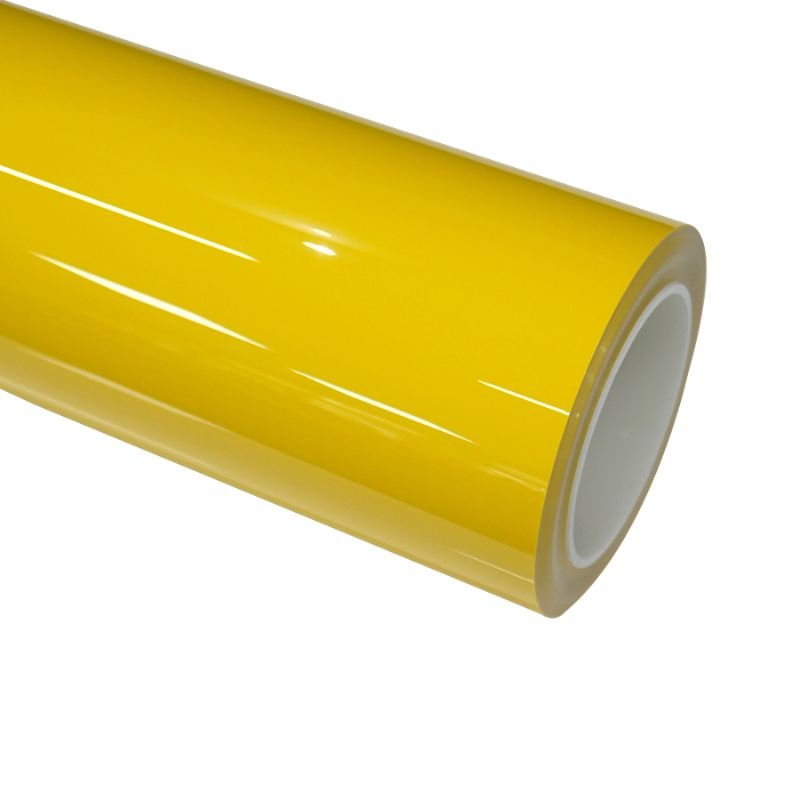
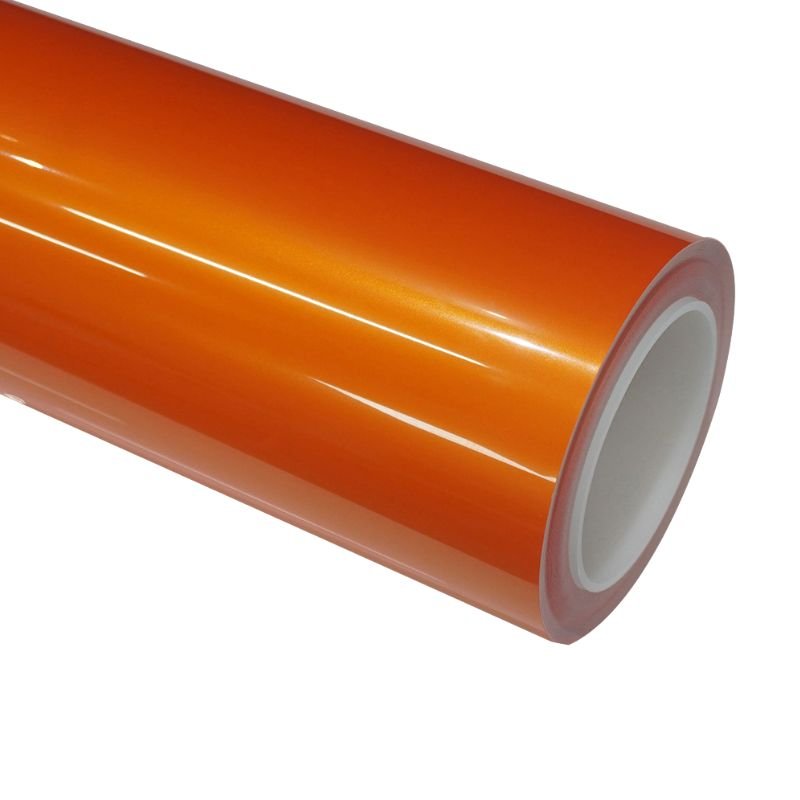
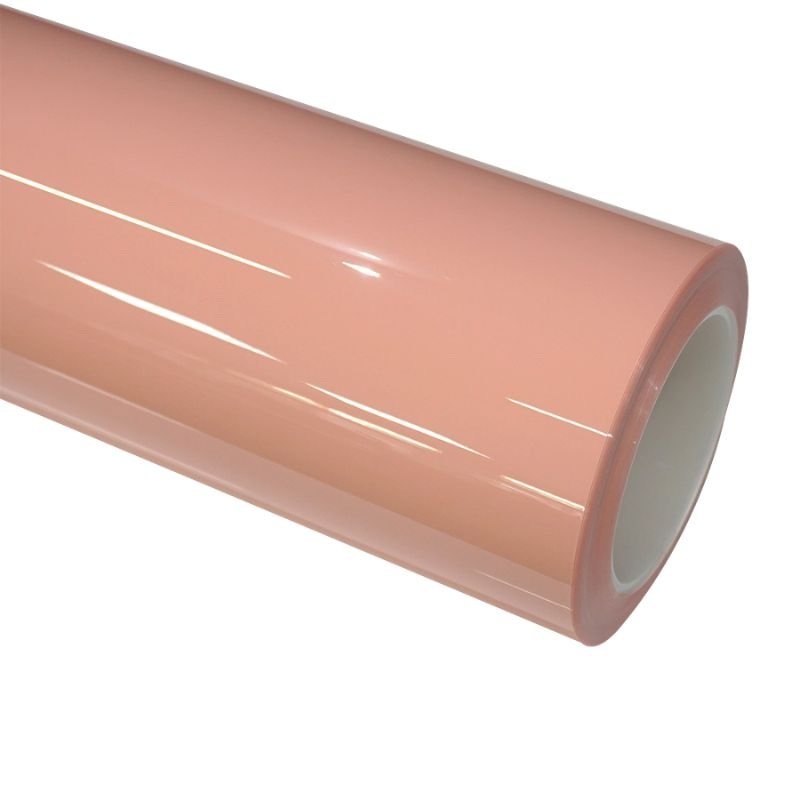
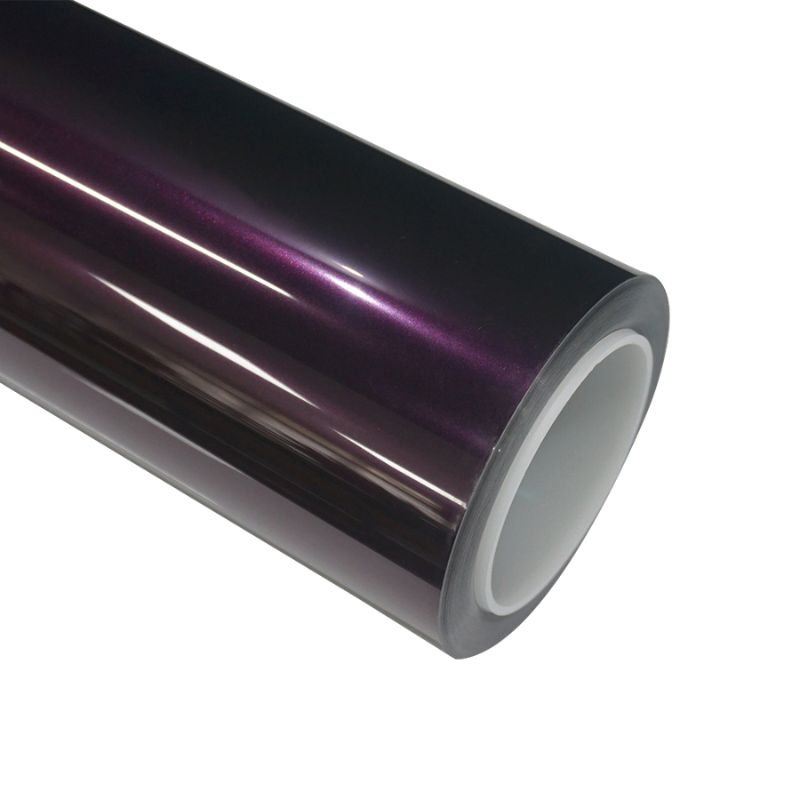
Specifications
| Items | Specifications |
| Raw Material | Lubrizol |
| Material | TPU (Thermoplastic Polyurethane Elastomer) |
| Size | 1.52 × 15 m |
| Gloss | ≥95 GU |
| TPU Thickness | 150 ± 10 μm |
| Coating | Cashew Coating |
| Coating Thickness | 15 ± 2 μm |
| Adhesive Thickness | 25 ± 2 μm |
| Adhesive Type | Ashland |
| Release Liner Thickness | 75 ± 2 μm |
| Clearcoat Thickness | 50 μm |
| Overall Thickness | 330 ± 10 μm |
| Finished Film Elongation | >300% |
| Tensile Resistance | 25 MPa |
| Tear Resistance | 100 N |
| Temperature Range | -30°C to 140°C |
High Gloss Color PPF vs Vinyl Wrap
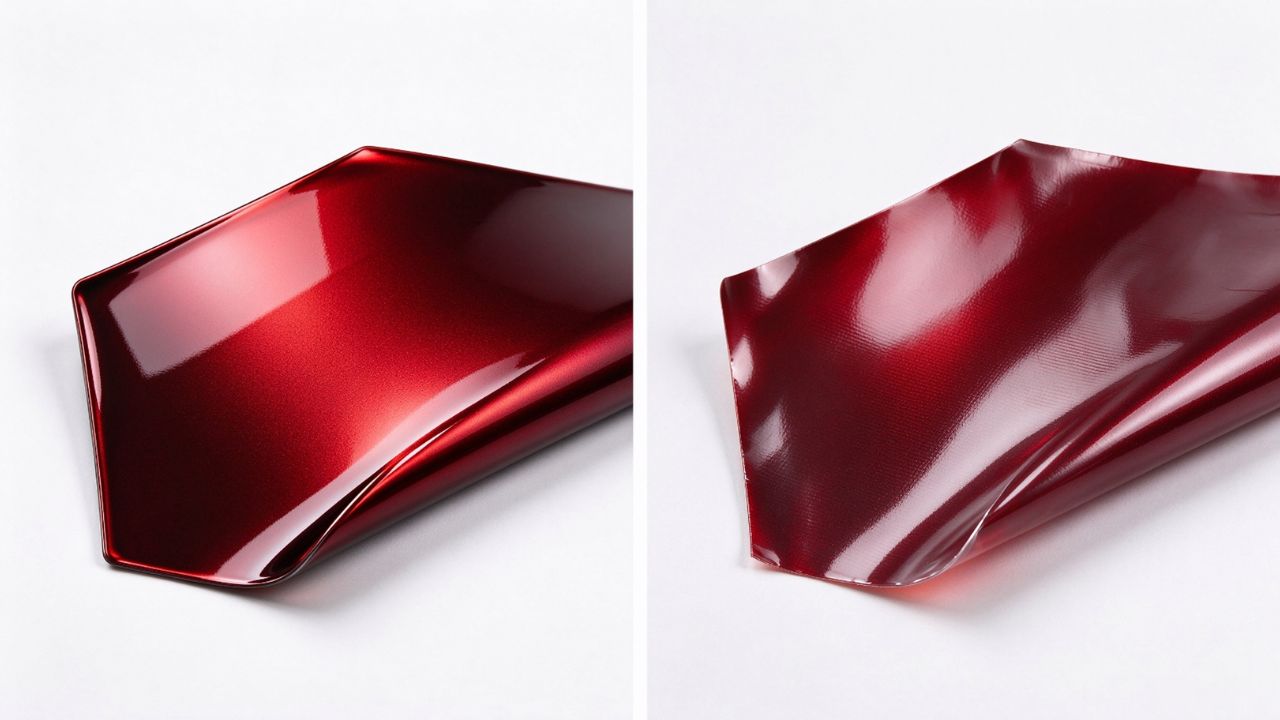
Gloss and Paint-Like Appearance
High gloss color PPF usually has a gloss level of ≥95 GU. Made with TPU, it has a smooth surface and clear reflection. Under strong light, the surface shows less visible waviness and orange peel, giving the vehicle a finish very close to factory paint. It is a good choice for high-end color change projects. Vinyl Wrap can also provide a glossy look, but its surface is usually less clear than PPF, and the gloss may drop more over time.
Paint Protection and Film Thickness
Color PPF is usually 7.5 mil thick, which is thicker than standard color change film. Its TPU layer helps protect the paint from stone chips, light scratches, road debris, and daily wear. Vinyl Wrap is mainly used for color change. It is usually made of PVC and is thinner, so the protection is more limited. If your customer wants both color change and paint protection, high gloss color PPF is the better fit.
Installation on Curves and Complex Body Panels
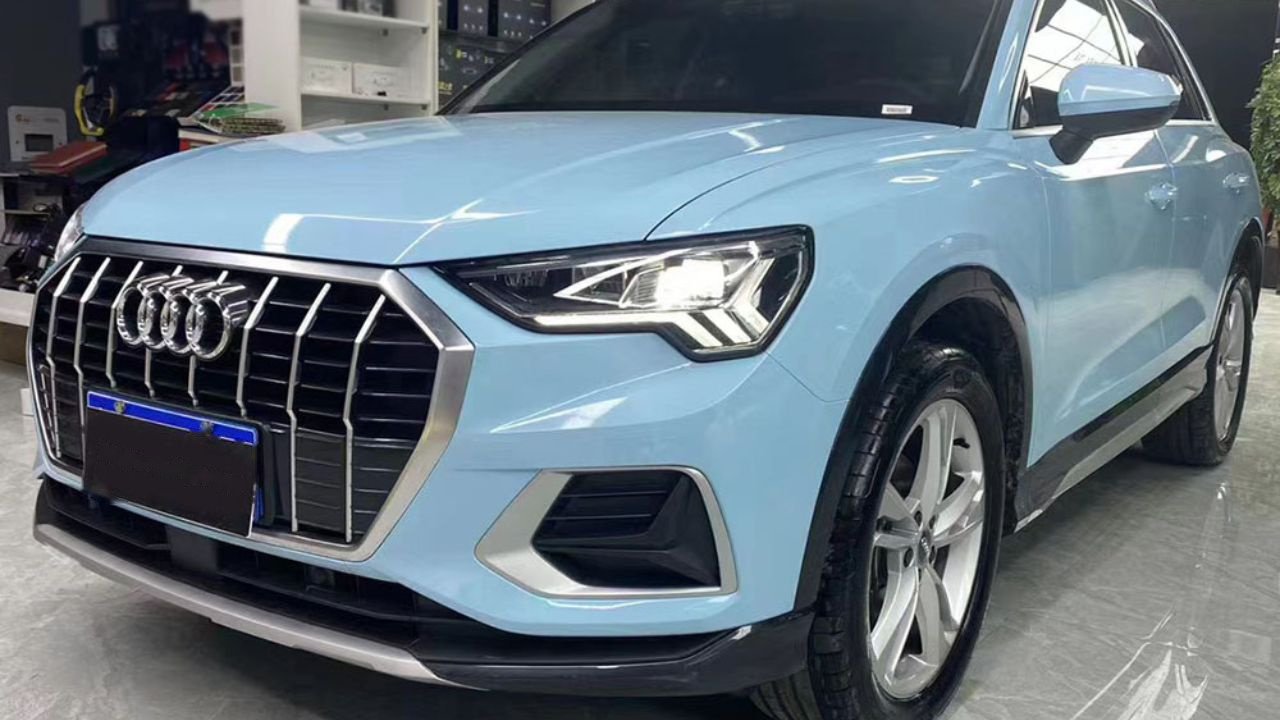
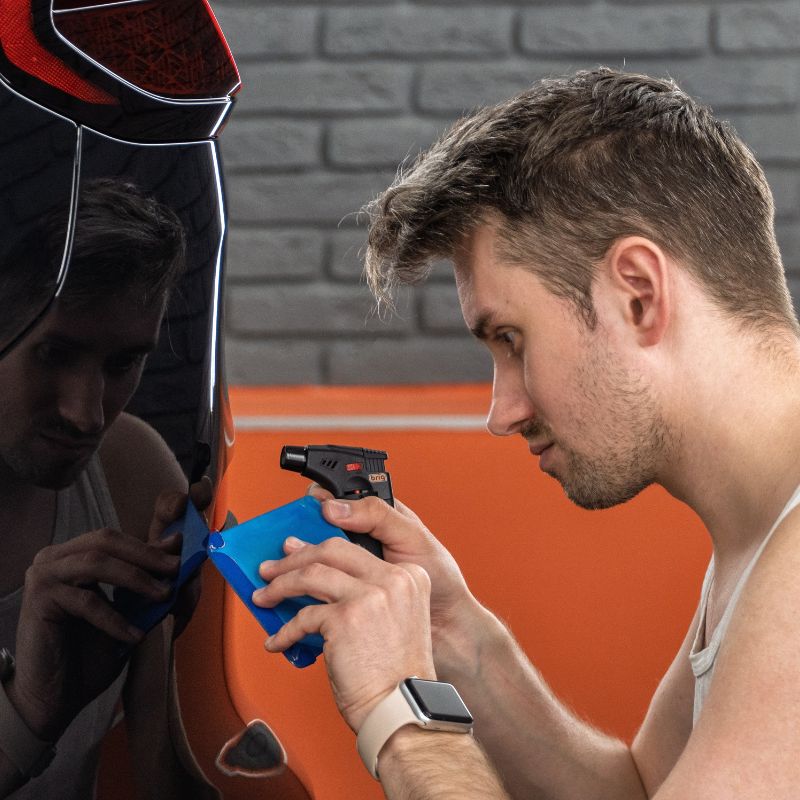
On bumpers, mirrors, fenders, and other curved areas, high gloss color PPF has better elasticity because of its TPU material. Within a proper stretch range, it can keep the gloss and color more stable. If your project has many complex curves, we recommend high gloss color PPF. Vinyl Wrap is thinner and works well on flat panels and simple curves. If your customer only needs a short-term color change or the vehicle has fewer complex curves, Vinyl Wrap can be a practical choice.
Cost and Service Life
High gloss color PPF uses TPU, a self-healing topcoat, and a stronger protection structure, so the upfront material cost is higher. Its service life can reach 5–8 years, reducing after-sales claims and building a stronger reputation. Vinyl Wrap usually costs less, but its service life is around 3–4 years. If your customer wants better long-term value, high gloss color PPF is a better choice. It has good resistance to aging, fading, and yellowing. The color stays more stable over time, and the film can be removed with little adhesive residue and without damaging the original paint, helping reduce after-sales work. High gloss PPF also helps you take on higher-end projects and increase the value of each job. If your customer changes colors often and does not need long-term performance, vinyl wrap may be more suitable. You can also base your recommendation on your customer’s budget.
High Gloss Color PPF vs Matte PPF
Gloss Level and Visual Appearance
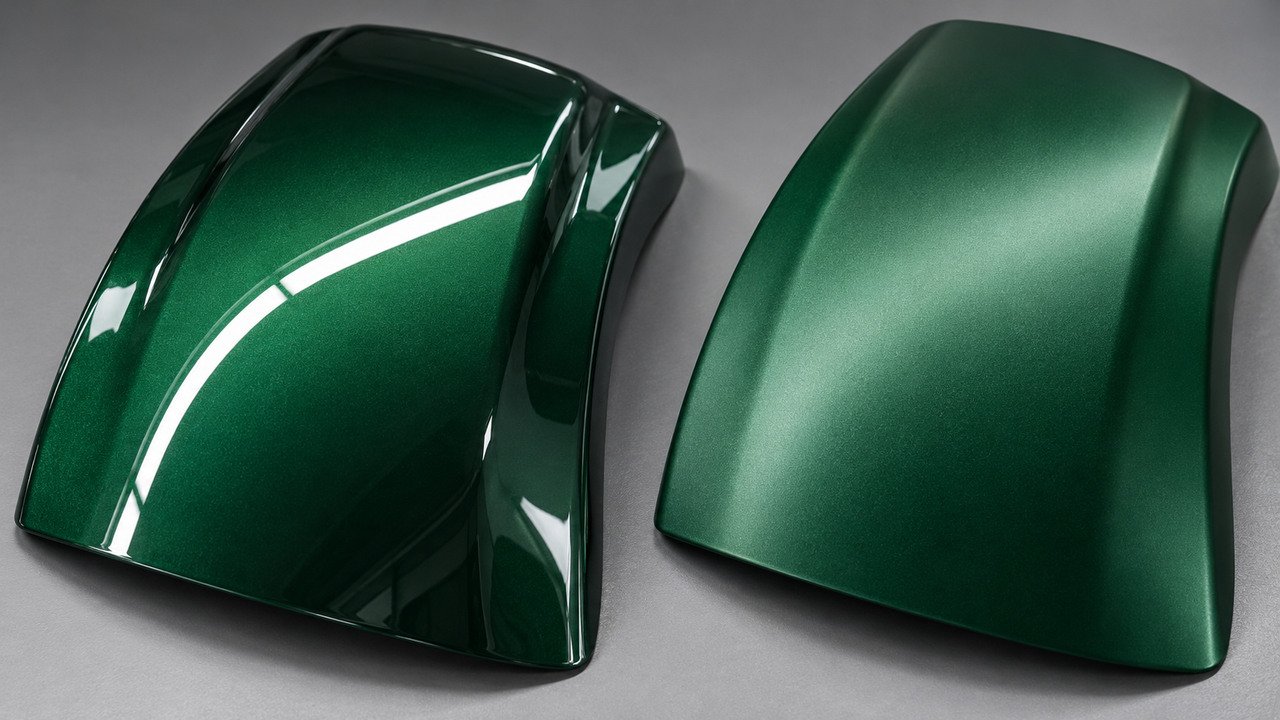
High gloss color PPF has a mirror-like gloss and high clarity. It gives the vehicle a finish close to factory paint, with brighter colors, better color depth, and a more vivid appearance. On a full vehicle wrap, the finish looks premium and is easy to notice. If your customers prefer a paint-like finish, a luxury look, or brighter colors, this is a good time to suggest high gloss color PPF.
Matte PPF has a low-reflection surface without mirror-like shine. The colors look softer and more understated. Its clarity is lower than high gloss film, so the colors may look slightly darker and less saturated. If your customers prefer a low-key, sporty, or more individual style, matte PPF can be a better choice. You can build your color stock around what your local market prefers.
Surface Quality and Common Finish Issues
High gloss color PPF has a smooth and dense surface. Fingerprints and water spots may appear during daily use, though they can usually be cleaned off. Matte PPF does not show reflection-related defects as easily, but it can develop shiny areas, friction marks, or uneven matte levels.
When you check matte PPF before purchasing, you should watch for local shiny spots and whether the surface changes toward a satin look after stretching. Strong rubbing or light polishing can also make some areas look glossy, patchy, or uneven. These changes are usually difficult to reverse.
For high gloss color PPF, you should mainly check the gloss level and whether the surface has visible orange peel.
Installation Performance on Curves
High gloss color PPF usually has good coating flexibility and allows more room for stretching during installation. On curves, body lines, bumpers, mirrors, and other complex areas, the gloss can remain more even after stretching. The film is also less likely to turn white or show obvious gloss changes. It conforms well around edges and curves, which gives your installers a smoother final look.
Matte PPF is usually less forgiving on complex curves. If the film is stretched too much or heated unevenly, some areas may lose their matte finish or show uneven surface texture. Complex body panels need extra-careful stretching and heating, so your installers need to take extra care.
Maintenance and After-Sales Differences
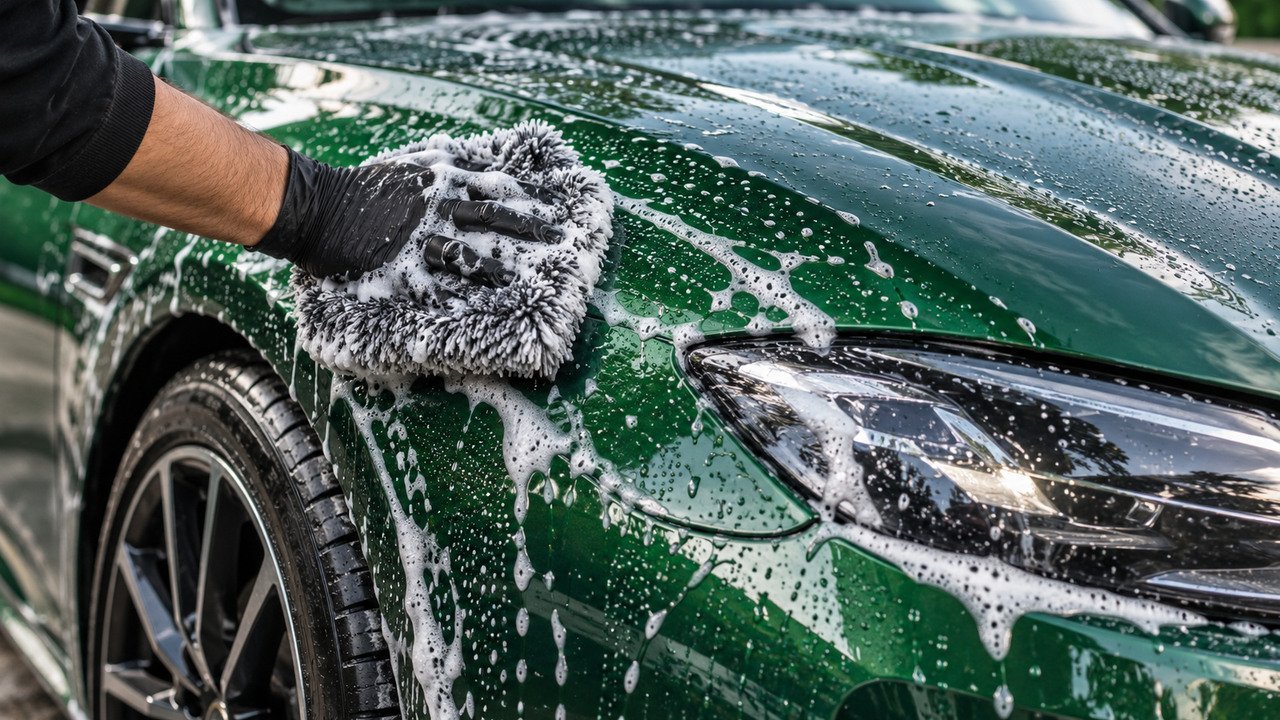
High gloss color PPF can be washed normally, but your customers should avoid dry wiping. You can let them know to watch for swirl marks, water spots, and gloss loss. Fine scratches can usually self-heal with heat.
Matte PPF needs different care. Your customers should avoid polishing compounds, wax, and cleaning products that make the surface shinier. These products can leave shiny or blotchy spots on the film. Once these marks show up, they’re often hard to fix.
We recommend preparing separate instructions for high gloss color PPF and matte PPF. Clear maintenance tips can help you reduce disputes caused by improper use and make after-sales responsibility easier to define.
| Item | High Gloss Color PPF | Matte PPF | Vinyl Wrap |
| Visual Finish | High-gloss, clear reflection, paint-like look | Low-reflection, soft and understated look | Glossy finish available, but usually less clear than PPF |
| Color Appearance | Richer color and better depth | Softer color, usually less saturated | Good for color change |
| Surface Look | Smooth surface with less visible waviness and orange peel | No mirror-like reflection, but may show shiny spots or uneven matte areas | Surface quality depends on the vinyl type |
| Material | TPU | TPU | Mainly PVC |
| Film Thickness | 8-10 mil | 8-10 mil | 2-4 mil |
| Protection Level | Protects against stone chips, light scratches, road debris, and daily wear | Protects against stone chips, light scratches, road debris, and daily wear | Mainly used for color change, with more limited protection |
| Maintenance | Normal washing; avoid dry wiping | Avoid wax, polishing compounds, and gloss-enhancing cleaners | Regular wrap care |
| Service Life | About 5–8 years | About 5–8 years | About 3–4 years |
What to Compare Between High Gloss Color PPF Brands
TPU Material and Film Structure
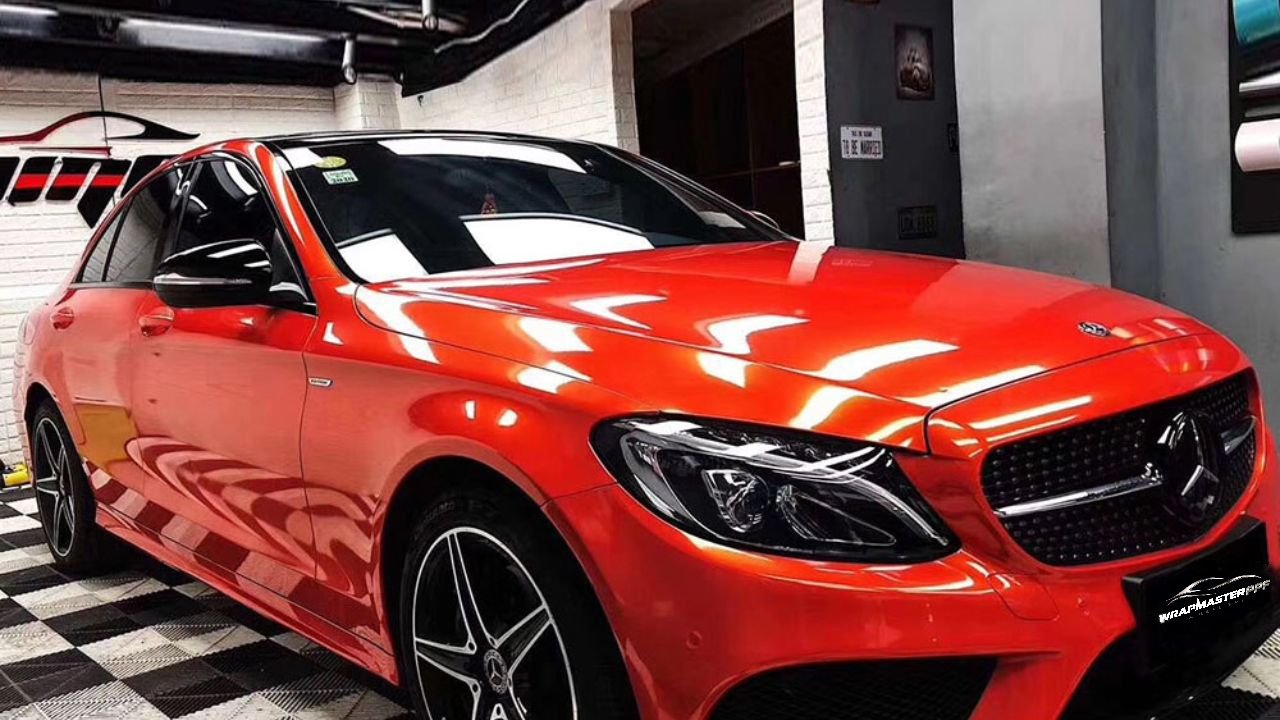
Before you buy, check first whether the film uses stable TPU material, then look at the full film structure. It usually includes the topcoat, TPU layer, color layer, adhesive, and release liner. Different TPU types can perform differently in clarity, stretchability, yellowing resistance, and long-term flexibility. Low-quality TPU may look fine initially, yet it can turn yellow, become brittle, look white once stretched, or lose gloss over time.
When you compare suppliers, we suggest checking the TPU source and material type. You should also ask for test reports covering TPU thickness, topcoat thickness, total film thickness, self-healing performance, and anti-yellowing performance.
Gloss and Color Consistency
Gloss is one of the main selling points of high gloss color PPF, so we suggest choosing a film with a gloss level of at least 95 GU. A clear, paint-like finish is also easier to sell on high-end vehicle projects and can support higher-value orders.
Consistency between batches matters too for full-car installation and later replacement. If a car needs two rolls, or your customer needs a repair after a scratch or accident, color or gloss variations could result in rework or complaints. We suggest choosing a high gloss color PPF manufacturer that controls color difference within ΔE ≤ 1.5. This reduces the color mismatch risk if your customer needs to replace a panel later.
Adhesive and Installation Performance
For PPF, stronger adhesive is not always better. You’ll need to weigh both initial adhesion and holding adhesion. During installation, your installer may need to lift and reposition the film, so repositionability is also important.
If the adhesive is too weak, the film may lift at the edges or come loose. If it is too strong, repositioning becomes harder and adhesive marks may appear. Our PPF has a holding adhesion of >2200 g to help reduce edge lifting and adhesive failure. Its initial adhesion is >1000 g, giving your installer enough tack without making repositioning too difficult. A well-balanced adhesive gives your technicians more room to adjust the film and can reduce installation mistakes, rework, and film waste.
MOQ, Customization, and Lead Time

Supply systems can be very different from one brand to another. A mature supplier should be able to support both low-MOQ trial orders and larger bulk or container orders. This gives you extra flexibility for trying new shades or restocking popular products.
Some suppliers can also offer custom colors, custom roll lengths, custom packaging, and private label logos. Before choosing a supplier, you should check its factory capacity and delivery performance. You can also ask how long stock orders take, how long bulk orders take, and how long custom samples take.
If the MOQ is too high, you may carry more inventory risk when testing a new color. Meanwhile, if the custom lead time is too long, you may miss a customer project. For this reason, it is better to work with a high gloss color PPF supplier that has enough factory capacity, stable lead times, and dependable after-sales support.
Warranty and Quality Control
Brands with longer production experience usually have a more complete quality control system, and they frequently check raw materials, monitor production, and test finished film for gloss, color difference, thickness, and weather resistance.
A mature supplier should also offer a well-defined product warranty, typically spanning 5 to 10 years based on the product. The warranty may cover problems like yellowing, cracking, gloss loss, or delamination. If you are looking for a long-term supplier, we suggest choosing a manufacturer with a longer warranty period and batch traceability, so each production batch can be checked if a quality issue appears.
How to Clean and Maintain High Gloss Color PPF?
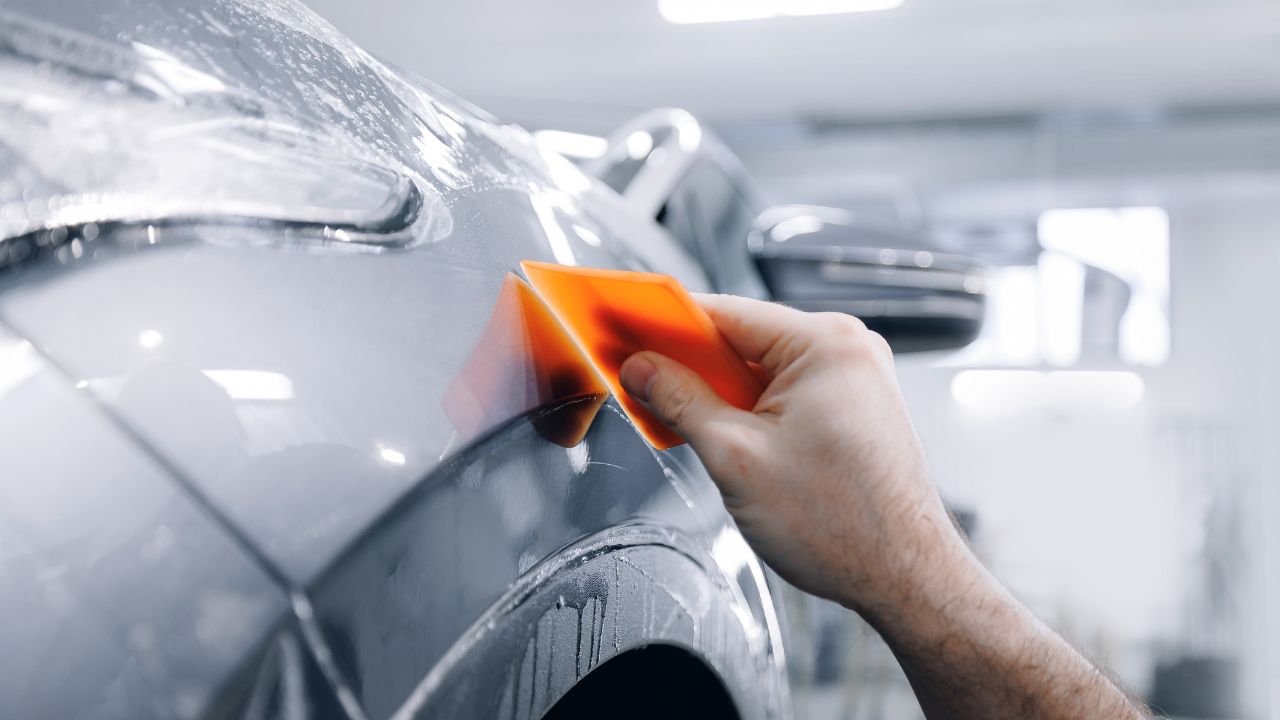
Before Installation: Environment and Surface Preparation
Construction Environmental Conditions
- Dust-free Workshop
The construction area must be enclosed and dust-free. Open-air or ordinary car wash facilities with exposed workstations cannot be used. Dust falling between the film and the paint surface will form particle dust spots that cannot be removed later. The workshop should have dust suppression sprays and the air should be kept still to avoid strong winds carrying dust.
- Temperature
The optimal construction temperature is 20-28℃. If it is below 15℃, the film will become hard and prone to curling, resulting in customer complaints; if it is above 35℃, the adhesive will be too active, making it difficult to adjust if the application is incorrect, and it is prone to ink printing.
- Adequate and Soft Lighting
The workshop should have white light illumination to facilitate your film application staff to clearly see dust, scratches, and bubbles. Do not expose strong light for baking.
- Water Source Quality
Use filtered pure water. Tap water contains many impurities, and watermarks and white spots will remain under the film. The installation liquid sprayed is usually pure water + a small amount of installation liquid.
Preconditions for Vehicle Paint Surface
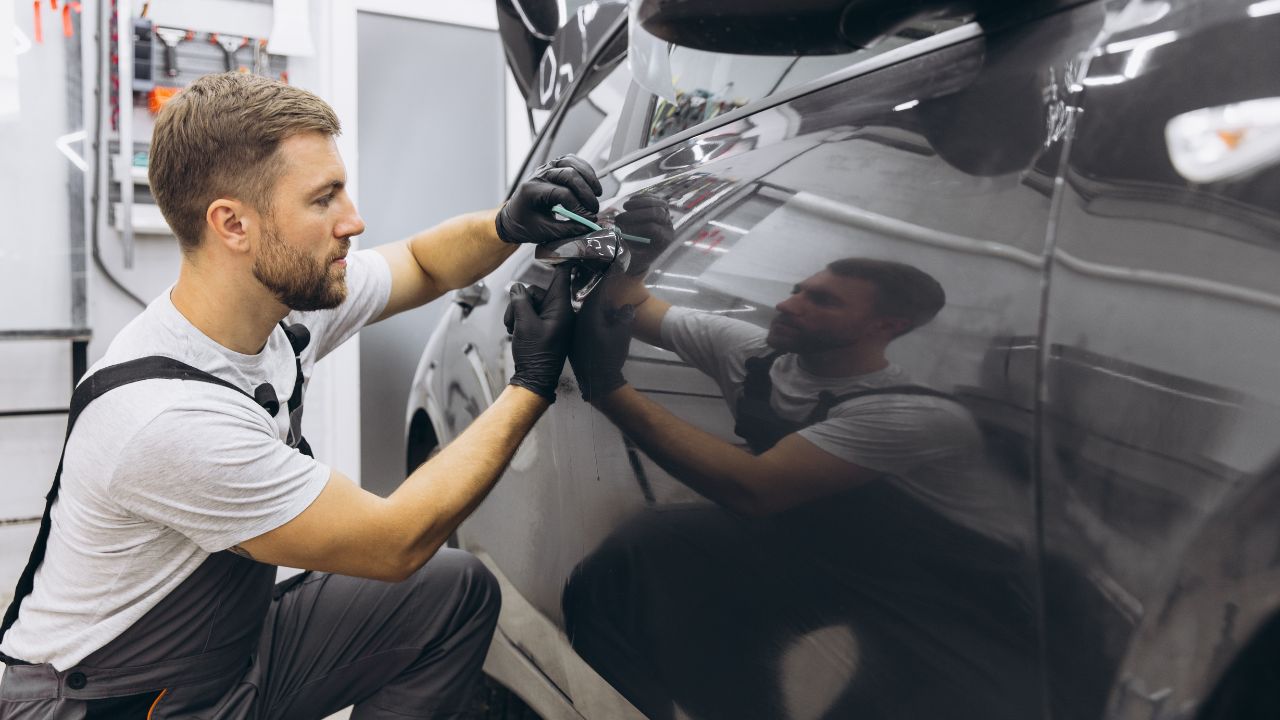
- If it is the original factory paint, with no scratches or patched paint on a new car, the film application effect will be the best.
- Old cars
Small scratches require your staff to polish and repair; deep scratches that expose the primer will not be covered by the car film and require primer repair.
If the customer’s vehicle has rear spray painting or body painting areas, there is a higher risk of paint peeling in the later stage. Before construction, be sure to inform your customer of this point.
Also, the paint surface must not have asphalt, iron powder, old wax, sealant, or coating. It must be thoroughly cleaned and degreased to remove residual wax, as it can cause the film to peel off and bubble later.
Edge and Corner Inspection: Door handles, chrome strips, vehicle logos, rearview mirrors, and gaps all need to be disassembled or finely edge-wrapped. The mud and sand in the gaps must be cleaned thoroughly.
After-Sales Care for Your Customers

We suggest preparing a clear after-sales care guide for your customers. It can help reduce complaints caused by improper washing, cleaning products, long-term stains, or scratches.
- Tell your customer to wait until the adhesive has settled before using a pressure washer. They should avoid spraying directly at edges and wrapped corners at close range soon after installation.
- You can recommend a neutral car shampoo and a gentle microfiber towel. Strong acids, strong alkaline cleaners, rough brushes, and abrasive products should be avoided. Bird droppings, tree sap, insect marks, and road stains should also be cleaned in time before they become hard to remove.
- Additionally, clarify to your customer that light scratches may recover with sunlight or moderate heat, but deep scratches and stone chip damage cannot be repaired by self-healing. Clear directions can help avoid unrealistic expectations.
- You should also tell your customer not to polish the film without checking product compatibility. Keep the color code, batch number, and installation date in their records. If a panel needs replacement later, this information can make color matching easier.
- You can also give each customer a simple care card with washing advice, stain removal, products to avoid, and warranty notes, which can reduce rework, claims, and time spent handling after-sales questions.
For a 1.52 m wide film, a coupe needs about 12 m, a sedan about 13–14 m, and a small SUV about 15 m. Only a large SUV or MPV may require a few extra meters (about 18 m in total).
Our standard roll size is 1.52 × 15 m, so one roll is usually enough for most full-car projects. For larger models, we suggest keeping an extra 2–3 m on hand for bumpers, mirrors, complex curves, and possible trimming errors.
You can pick colors that have strong market demand and perform well across vehicle types, such as high gloss black, pearl white, Nardo Grey, light grey, and Ferrari red. These shades are a good fit for luxury cars, sports cars, and general color change projects.
Metallic high gloss color PPF and pearl high-gloss color PPF have a stronger visual effect. You can first order 1–2 rolls to test the market, then increase stock based on inquiries, display vehicles, and installation feedback.
Color preferences differ by country and region, and you should also look at your past orders, customer inquiries, local vehicle types, and popular colors on social media before placing your order.
Before installation, you should check the color, gloss, surface, roll edges, release liner, and package condition. Compare rolls from the same order under the same light to see if there is any clear color or gloss difference. You can also unroll a small section to check for orange peel, wrinkles, dust spots, coating marks, or adhesive problems. Keep the batch number and product label in your records in case you need replacement material later.
For standard high gloss color PPF colors in stock, you can start with 1 trial roll. Custom colors normally start from 5 rolls. A low MOQ makes it easier for you to test new colors before adding larger quantities to your stock.
Our high gloss color PPF comes with a 5-year warranty. The warranty covers product quality under normal use and proper installation. Each roll of film has an independent Batch No. (batch number) which enables quality traceability and free re-delivery. We suggest keeping the batch number, installation date, and order information for each project, as these records make after-sales claims easier to handle.
Stock high gloss PPF samples can be shipped within 1–3 business days. DHL or FedEx delivery to most countries takes about 5–7 business days. If you need a custom color or special finish, we need around 7–10 days to make the sample before shipping. After your sample leaves our warehouse, we will send you the tracking number so you can check the delivery status and arrange your sample testing in advance.