Choosing the wrong PPF can cost your business more than its purchase price. Poor material quality or unsuitable specifications can lead to waste and rework. With wide differences in price, TPU quality, and finishes, choosing PPF based on price alone can be costly. This guide covers PPF types, pricing, and long-term value to help you make the right choice.
What Is PPF for Cars
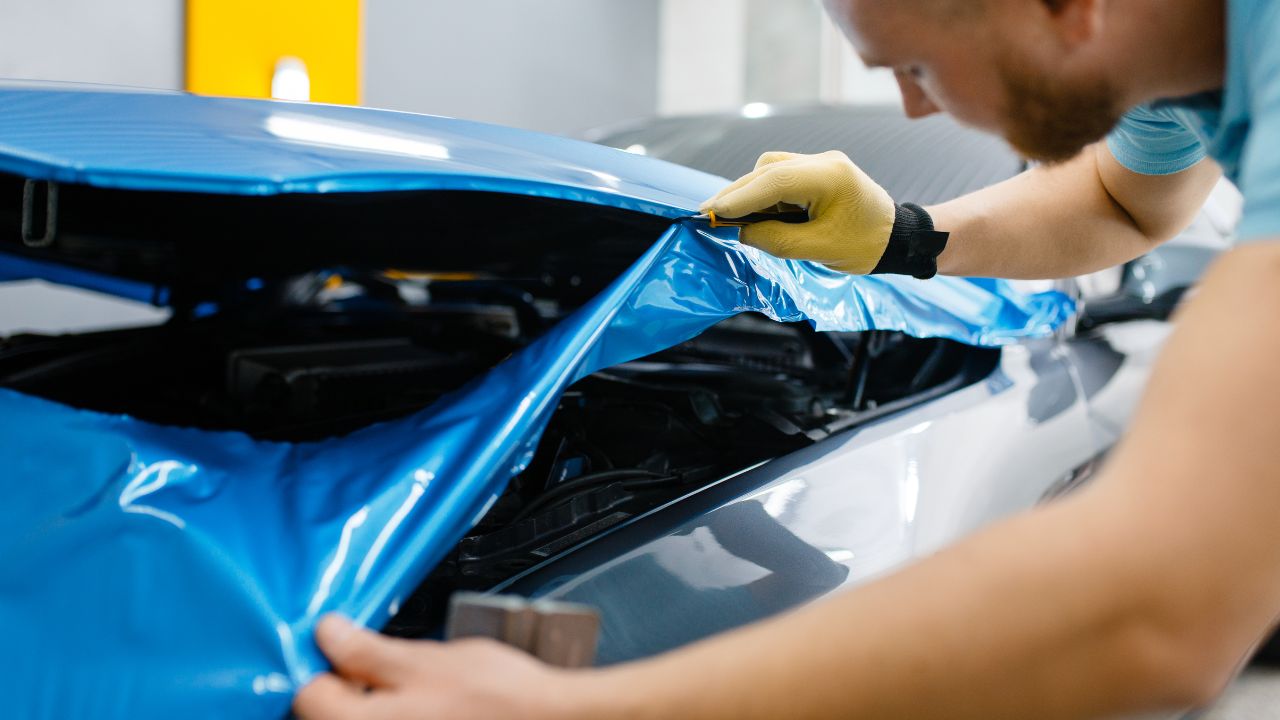
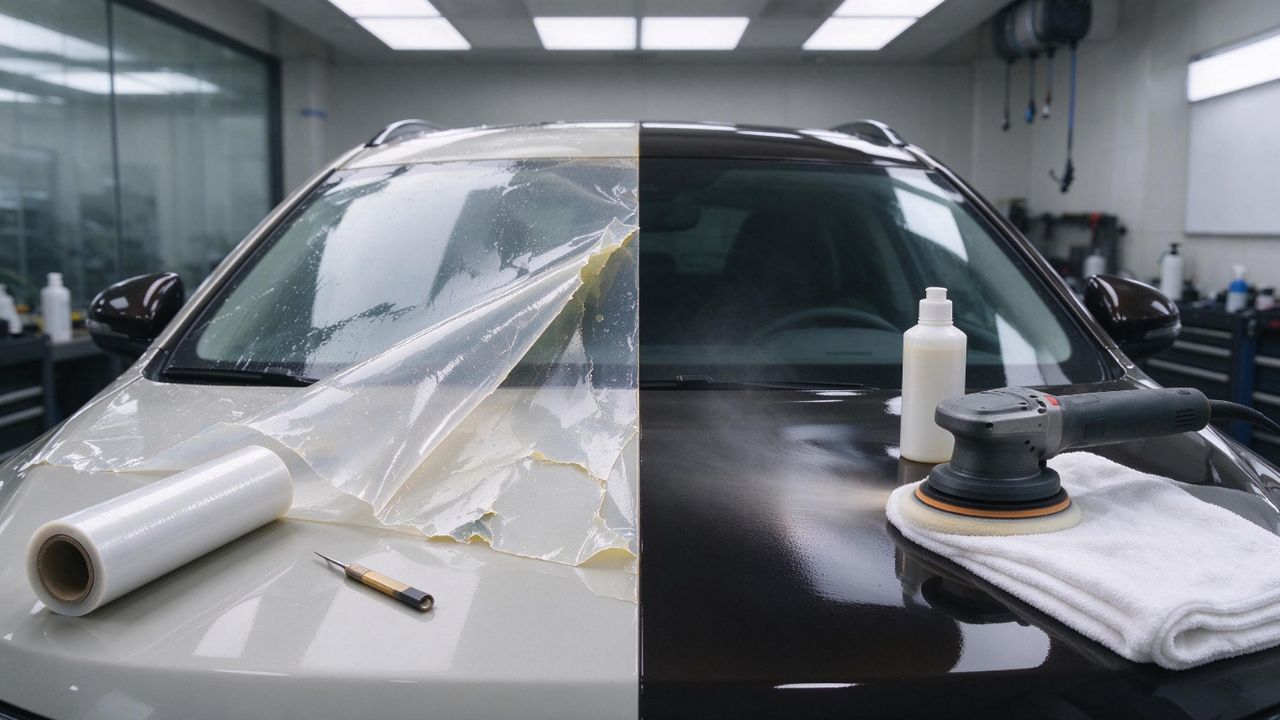
PPF is a protective film applied to painted vehicle surfaces to reduce damage from stone chips, road debris, scratches, and stains. For your business, the key difference is not simply whether a film is labeled as PPF, but how its material, finish, and construction fit your applications and service requirements.
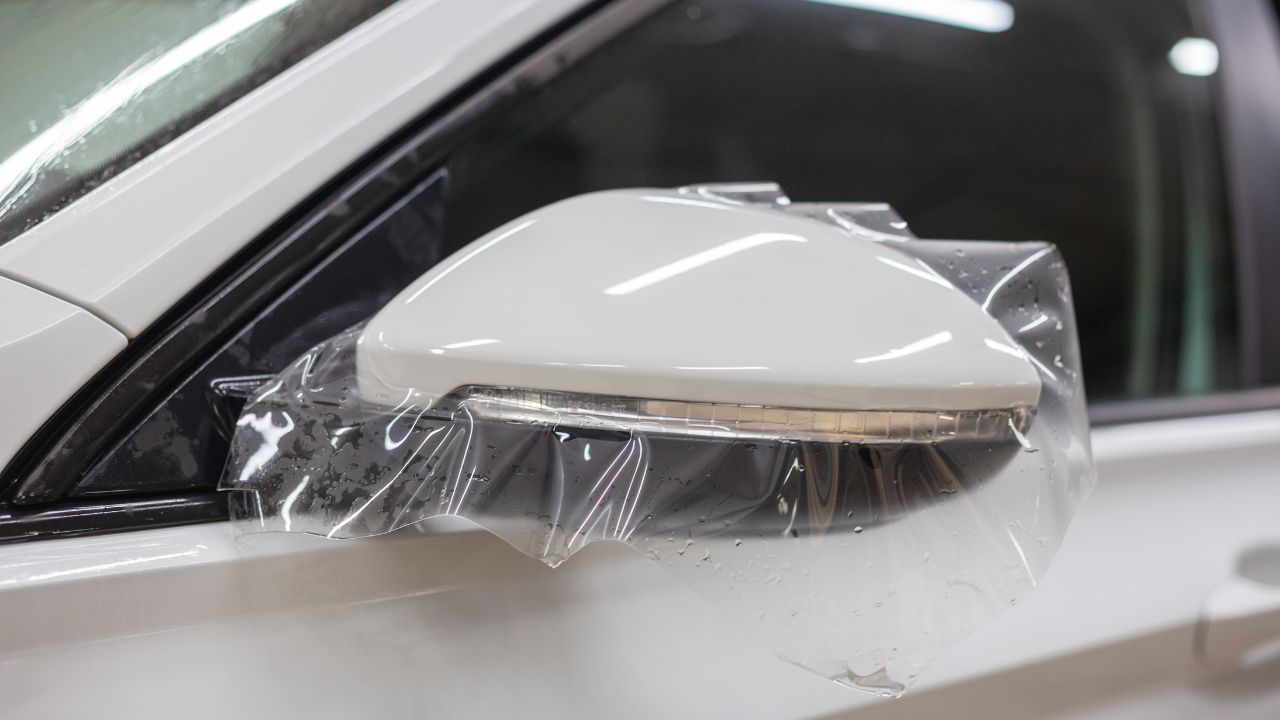
You may use PPF for high-impact areas such as bumpers, hoods, fenders, and side mirrors, or offer broader coverage for different vehicle protection packages. The right product depends on the type of work you handle and the finish you need.
Benefits of PPF
The value of PPF goes beyond protecting the paint. Its performance can affect the quality of your installation, the service you can offer, and the long-term costs of using the film. The key benefits include impact protection, self-healing, appearance retention, and easier surface maintenance.
Scratch & Stone-Chip Protection
PPF forms a physical barrier between the paint and road debris, helping reduce damage from stone chips, light scratches, and minor impacts. This makes it particularly useful for bumpers, hoods, fenders, and other high-impact areas.
The protection level of the film can also affect which coverage options you can offer. A film designed for higher-impact applications may allow you to offer broader coverage or position a product for customers who require more protection.
Self-Healing
A self-healing top coat can reduce the visibility of certain light surface scratches under suitable conditions. However, the actual effect depends on the top-coat formulation and the conditions under which the healing occurs.
A film that maintains a cleaner surface after minor scratches may be easier to position as a higher-value option. This feature can affect the finished appearance and the type of service you offer.
UV & Yellowing Resistance
PPF remains exposed to sunlight and heat throughout its service life. Poor material or coating stability can cause yellowing or changes in appearance over time. Better resistance helps maintain the finished look and reduces the risk of replacement and warranty costs.
Clarity & Appearance
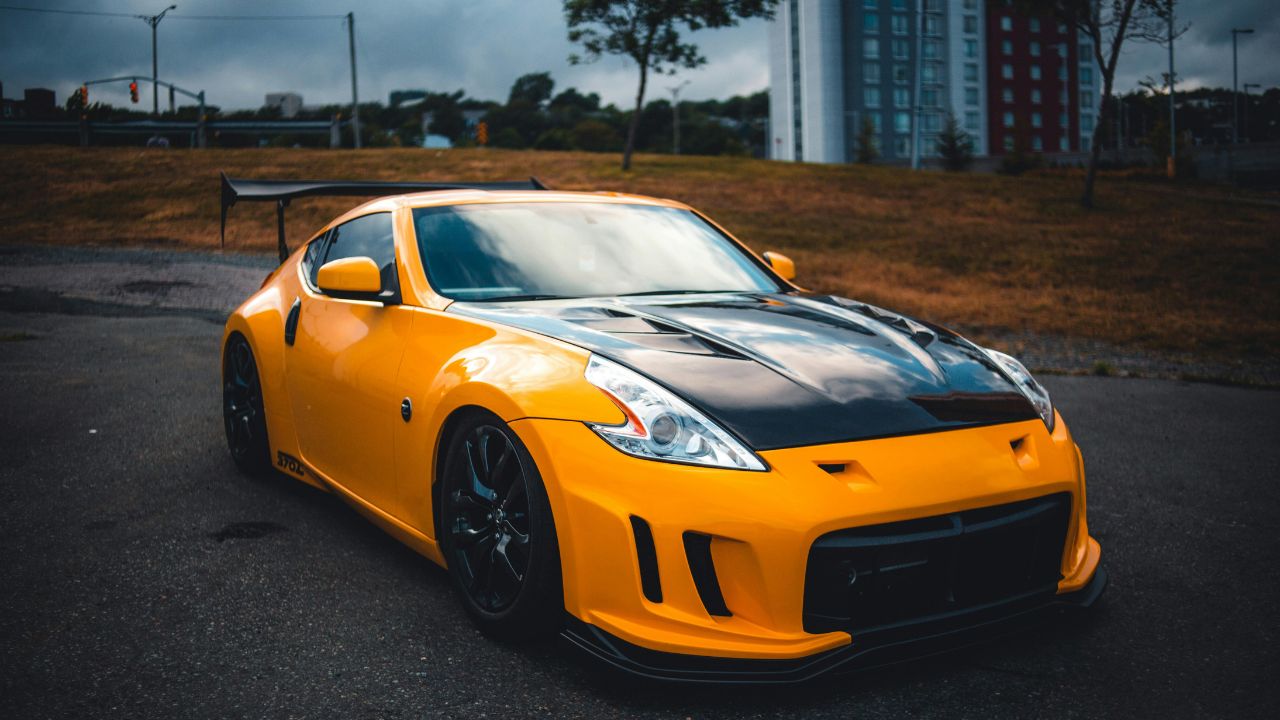
Clear PPF should protect the paint without noticeably affecting its original color, gloss, or overall appearance. Poor clarity or an uneven surface can make the film more visible after installation, affecting the finished result and the value of the service you provide.
Hydrophobic / Easy Maintenance
Some PPF uses a surface coating with hydrophobic and anti-staining properties, helping reduce water and contaminant buildup and making routine cleaning easier. These features can add value when you build different PPF product or service options.
What Are the Main Types of Automotive PPF
Automotive PPF is available in different finishes and formats to meet different protection and appearance requirements. The main options include clear/gloss, matte, satin, and colored PPF. Understanding these differences helps you match the right film with the coverage, finish, and service requirements you handle.
Clear / Gloss PPF
Clear / Gloss PPF typically uses a transparent polyurethane-based film with a clear top coat and adhesive layer. Unlike colored PPF, it does not use a colored layer in the film structure. When you evaluate this type, you are mainly looking at how the transparent film structure is built rather than a color layer.
Matte PPF
Matte PPF uses a surface layer designed to scatter reflected light rather than produce the smooth reflection of a gloss film. Its appearance comes from the surface treatment, while the underlying film structure still provides the protective function. When you add matte PPF to your product range, you are essentially offering the same protection category with a different surface finish.
Colored PPF
Colored PPF uses a pigmented layer within the film structure to provide the visible color, instead of relying on the vehicle’s original paint to determine the final appearance. The film is still built with a protective polyurethane layer and adhesive layer. When you source colored PPF, the pigment system and color consistency become part of the product specification.
What Affects the Cost of PPF
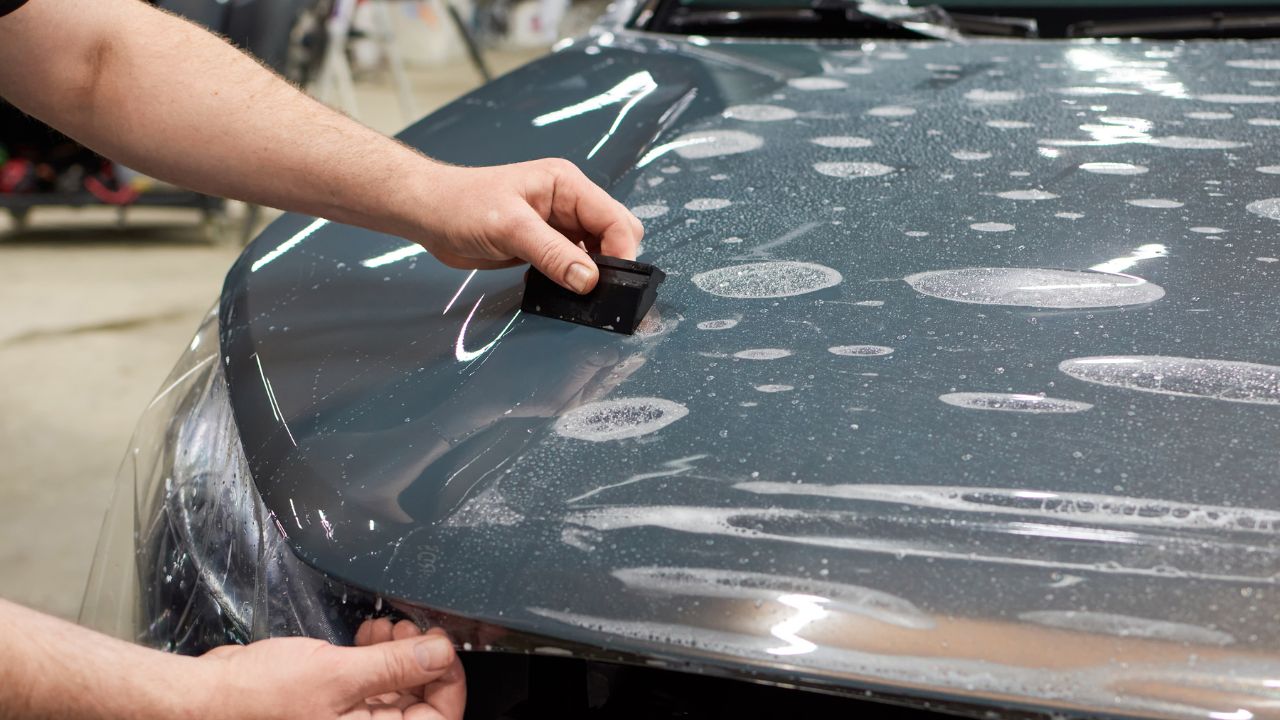
The price of PPF can vary significantly between products, even when they are designed for similar applications. Material, film specifications, product format, and logistics all affect your final purchasing cost. Looking at each factor separately makes it easier to understand where the price difference comes from.
Material
TPU is one of the main cost drivers in PPF. Different TPU grades have different raw material costs, while the top coat and adhesive add to the overall material and production cost. Film thickness also affects the amount of material used.
When you compare two PPF products at different prices, checking the material specification helps you see whether the price difference comes from the product itself or simply from the supplier’s pricing.
Film Specification
Custom film specifications can increase the PPF price because they may require changes to the production setup, coating process, or slitting and rewinding process. For example, a non-standard width may require a separate production setup instead of using an existing roll specification.
When you calculate your order cost, check the price against the actual roll size and specification rather than comparing the price per roll alone.
Bulk Roll vs Pre-Cut
Bulk rolls and pre-cut kits have different cost structures. With bulk rolls, you mainly pay for the film material. Pre-cut kits also include pattern preparation and cutting, so the same amount of PPF can have a higher price in pre-cut form. If you mainly need standard vehicle patterns, the extra cost of pre-cutting becomes part of the material cost you pay for each application.
Logistics
Logistics can add a noticeable amount to the final PPF cost, especially for cross-border orders. In addition to freight, you may need to account for packaging, import duties, taxes, and other handling charges. Delivery time can also affect the cost of keeping stock for ongoing projects. When calculating your actual PPF cost, include these charges instead of using the film quotation as the final figure.
PPF Long-Term Value
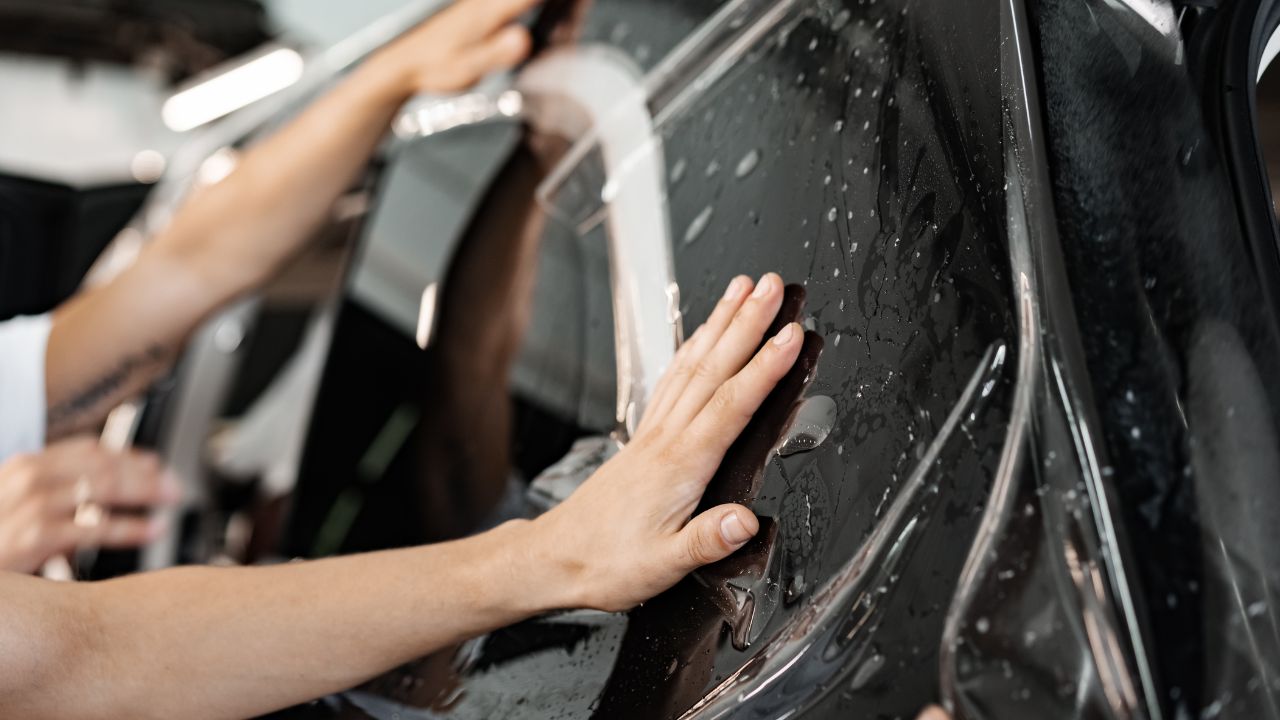
The lowest PPF price does not always mean the lowest cost over time. What matters is how long the film remains usable, how efficiently it can be installed, and how often problems lead to rework or warranty claims. Looking at these factors together gives you a better idea of the film’s long-term value.
Service Life
A longer service life means you can keep the same PPF product in use for longer before replacement becomes necessary. When evaluating this value, check the supplier’s rated service life and the conditions behind it, such as climate, UV exposure, and application environment. You can then compare the expected service period with the replacement cycle of competing products.
Installation Efficiency
A PPF with good flexibility, stretchability, and adhesive performance is easier to position and fit during installation. You can spend less time correcting the film, dealing with wrinkles or lifting edges, and replacing sections that do not install properly.
Installation efficiency adds value over repeated jobs. When installation becomes more predictable, you can handle jobs more efficiently and maintain a more consistent service standard as your workload grows.
Lower Rework & Warranty Costs
Poor adhesion, lifting edges, or other installation-related failures can lead to rework after the vehicle has left your facility. Repeated warranty issues also mean additional inspection, communication, and replacement work. When you evaluate a PPF product, consider how often these problems have occurred in previous applications rather than looking only at the initial installation result.
How to Choose a Quality PPF Supplier
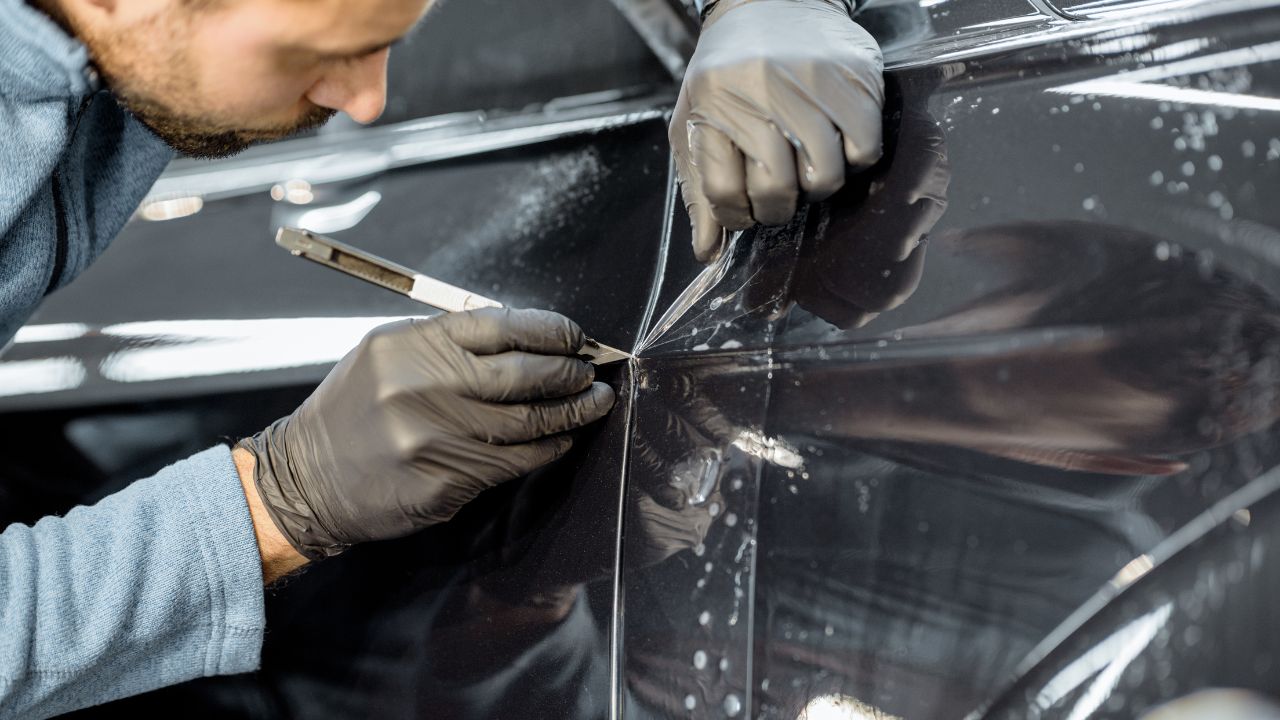
A suitable PPF supplier should be evaluated based on how well its supply terms fit your purchasing requirements. Before committing to regular orders, check the specific conditions that will affect your ordering process.
Production Capacity & Lead Time
Ask for the supplier’s standard production lead time, monthly capacity, peak-season lead time, and typical lead time for repeat orders. You can also check whether the supplier keeps common specifications in stock and whether production capacity changes significantly during busy periods.This gives you a more practical basis for planning your own inventory and project schedule.
MOQ & Order Flexibility
Before placing an order, check the MOQ for each PPF specification and whether the supplier allows different products to be combined within one order.
If you need several finishes or specifications, confirm whether each one has a separate MOQ or whether the quantities can be combined. Also ask whether the MOQ changes between trial, regular, and bulk orders. These terms help you decide how to structure your order before committing to a quantity.
Samples & Pre-Order Testing
If possible, test more than one roll or batch to see whether the film performs consistently. This gives you a practical basis for deciding whether the product is ready for regular orders.Check cutting, stretching, positioning, adhesive behavior, and the finished surface rather than relying only on the supplier’s specifications.
FAQs
How Long Does Automotive PPF Last?
Automotive PPF can typically last several years, but its actual service life depends on the film material, top coat, adhesive, installation quality, and exposure to UV, heat, and environmental contaminants.
How Should PPF Be Stored Before Installation?
Keep PPF in its original packaging in a clean, dry environment away from direct sunlight and excessive heat. Proper storage helps maintain the film and adhesive in a suitable condition before installation.
What Is the Difference Between PPF for OEM and Aftermarket Applications?
OEM applications may have stricter requirements for product specifications, documentation, and batch control, while aftermarket applications can cover a wider range of vehicle-specific needs. The exact requirements depend on the project and application.
What Should Be Specified in a Long-Term PPF Supply Agreement?
You can specify film structure, thickness tolerance, appearance requirements, roll specifications, packaging, inspection standards, and procedures for handling non-conforming products.
It is also useful to define how specification changes will be communicated and approved before a new production batch is supplied.
How Should PPF Products Be Coded for Inventory Management?
If you stock multiple PPF products, use a clear code that separates the key product differences. You can include the finish, film specification, and roll size in the product code, so a gloss film and a matte film with different specifications are not recorded under the same SKU.
Can PPF Be Supplied with Vehicle-Specific Cutting Patterns?
Yes, depending on the supplier. If you use PPF for specific vehicle models, you can ask whether the supplier has vehicle-specific cutting patterns for the models you handle.
Final Thoughts
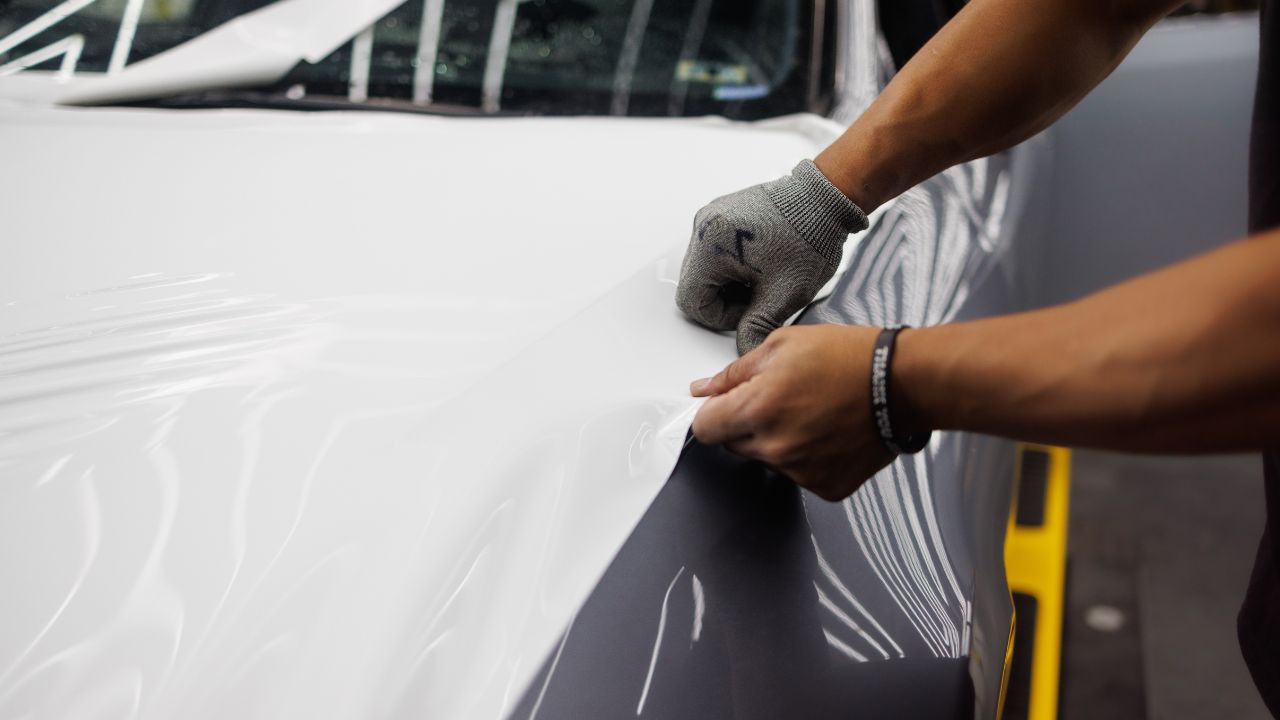
Still comparing PPF suppliers or unsure which film specification fits your applications? WarpMaster can help you evaluate film materials, finishes, roll specifications, and supply requirements based on your business needs. Contact our team to discuss your requirements and find a suitable PPF solution.