Choosing between car wrapping and painting is not simply about the upfront price. When comparing wrapping vs painting a car, you also need to consider installation, downtime, waste, and future changes. If your customers ask whether to wrap or paint a car, understanding the real cost of each option helps you choose a more economical solution for every vehicle project.
Car Wrapping Cost Factors
Vinyl Wrap Material Cost
The cost of film materials is influenced by material grade, thickness and brand. Cast PVC offers good ductility and excellent adhesion, and is priced higher than standard calendered PVC. Imported brands such as 3M and Avery Dennison command higher prices but offer consistent quality. Domestically produced film materials are competitively priced, but batch consistency must be verified.
When purchasing, we recommend that you prioritise the film’s outdoor durability and colour fastness specifications, as these directly determine the service life for the end customer and the after-sales costs you will incur.
Installation Labor Cost
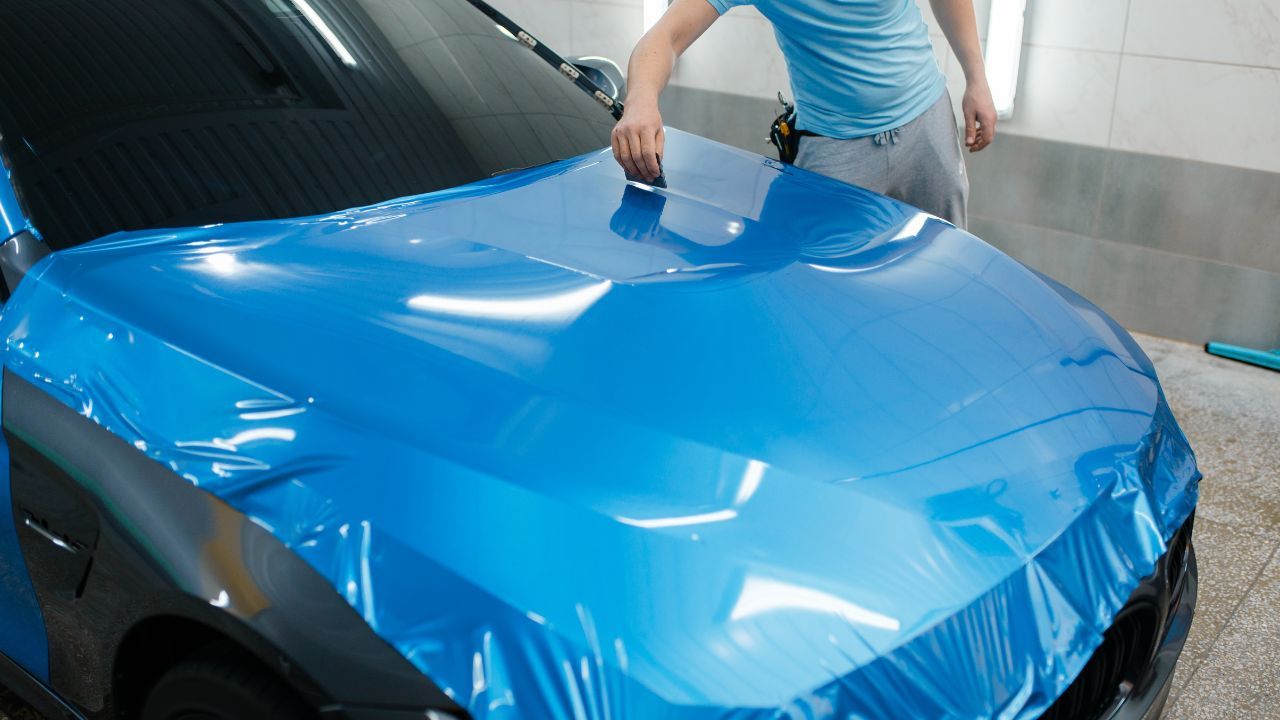
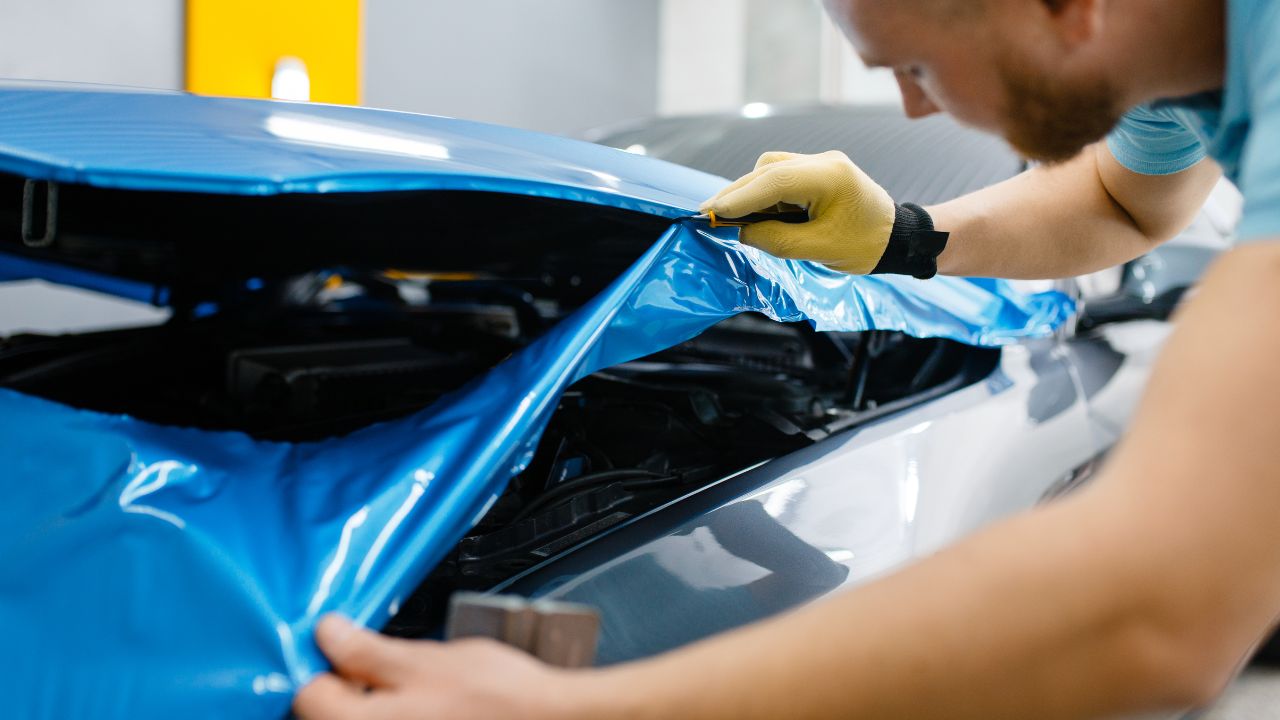
The labour costs associated with car wrapping are directly linked to the complexity of the installation. When comparing car wrapping vs painting cost, complex curved bodywork, the blending of special colours or bespoke graphic designs can all increase the time required for installation. A full-car wrap typically takes between one and three days. Experienced technicians charge higher rates, but they can effectively minimise rework issues such as air bubbles, creases and peeling edges.
You will need to assess the prevailing labour cost levels in your local market. A stable team of technicians is key to maintaining installation quality and ensuring timely delivery.
Surface Preparation Cost
The cost of surface treatment depends on the condition of the vehicle itself. Scratches, dents or issues with the existing paintwork will increase the time required for cleaning and repair. You should assess the vehicle’s condition before providing a quote and clearly inform the customer which treatments will incur additional charges. This will help you avoid customer dissatisfaction arising from mid‑project price adjustments, while allowing you to calculate the total project cost accurately before work commences.
Equipment and Tool Costs
Tools and equipment include film cutters, heat guns, scrapers, film measuring devices and vehicle-specific cutting systems. A dedicated cutting system allows film panels to be pre-cut using a database, thereby reducing material wastage and improving installation efficiency.
The investment in equipment is a one-off fixed cost that significantly contributes to long-term improvements in labour productivity at the shop. You may select tool configurations at different levels according to the scale of your business. A large one‑off investment is not required, as phased upgrading represents a more prudent approach.
Car Painting Cost Factors
Paint and Coating Materials
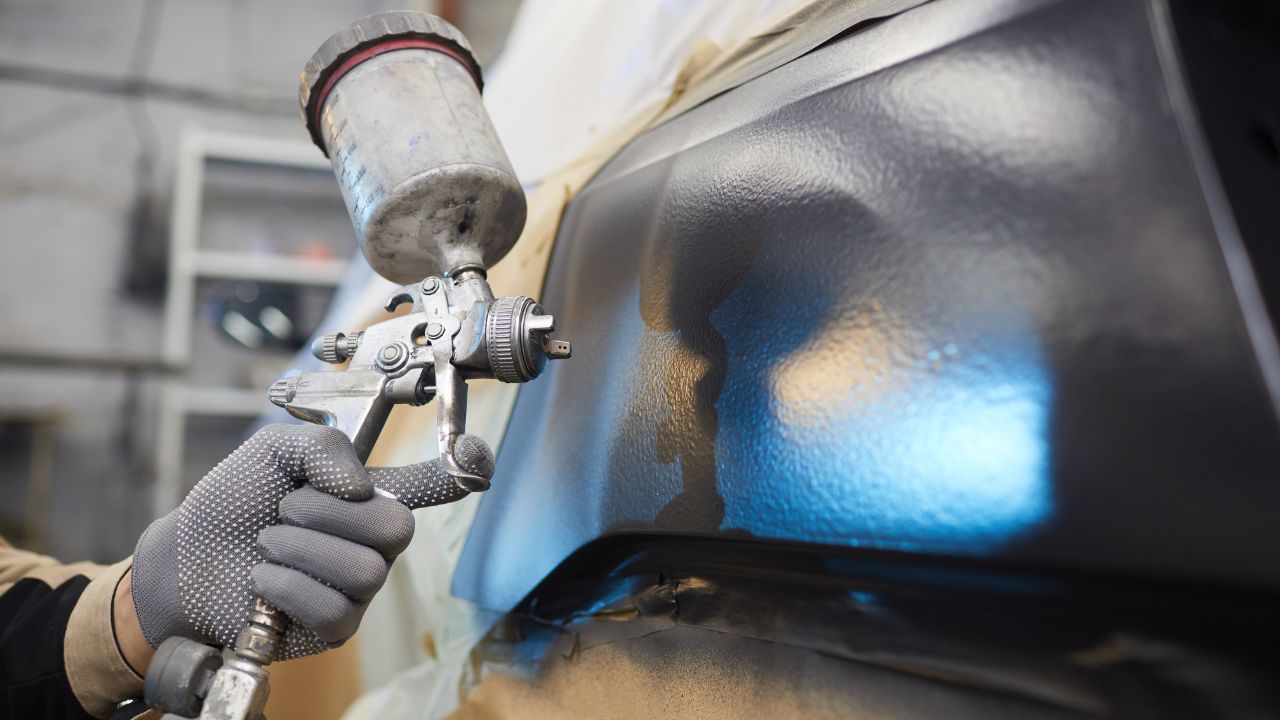
Paint material costs vary depending on the paint system, brand, color, finish, and number of
coating layers required. Premium automotive paint systems can cost significantly more than
standard systems. Spray painting requires multiple layers of primer, coloured paint and clear coat, and the amount of material used is directly proportional to the surface area to be sprayed.
When procuring, you may select paint systems of different grades according to your business positioning. You should also check whether the paint‑cost proportion within your quotations to end‑customers is reasonable.
Labor and Preparation
Labour costs for paintwork account for the largest proportion of the total cost, encompassing processes such as sanding down the old paint, panel beating, filling with body filler and multiple coats of paint. A full-car paint job typically takes between 3 and 7 days, and places far greater demands on the technician’s colour-matching and spraying techniques than does the application of a protective film. You will need to assess the level of labour costs in your local market. A stable team of paint technicians is a key resource for ensuring delivery quality and keeping rework rates to a minimum.
Equipment Investment
The equipment required for paint spraying includes spray booths, curing booths, spray guns, air compressors, sanding equipment and air filtration systems, amongst others. The initial investment is significantly higher than that for film application tools. Temperature‑control and air‑filtration systems inside the spray booth have a direct impact on paint‑finish quality. Equipment maintenance costs also represent a substantial, non‑negligible expense in day‑to‑day operations. You can select an equipment configuration package of a suitable standard based on the scale and positioning of your business.
Drying and Curing Time
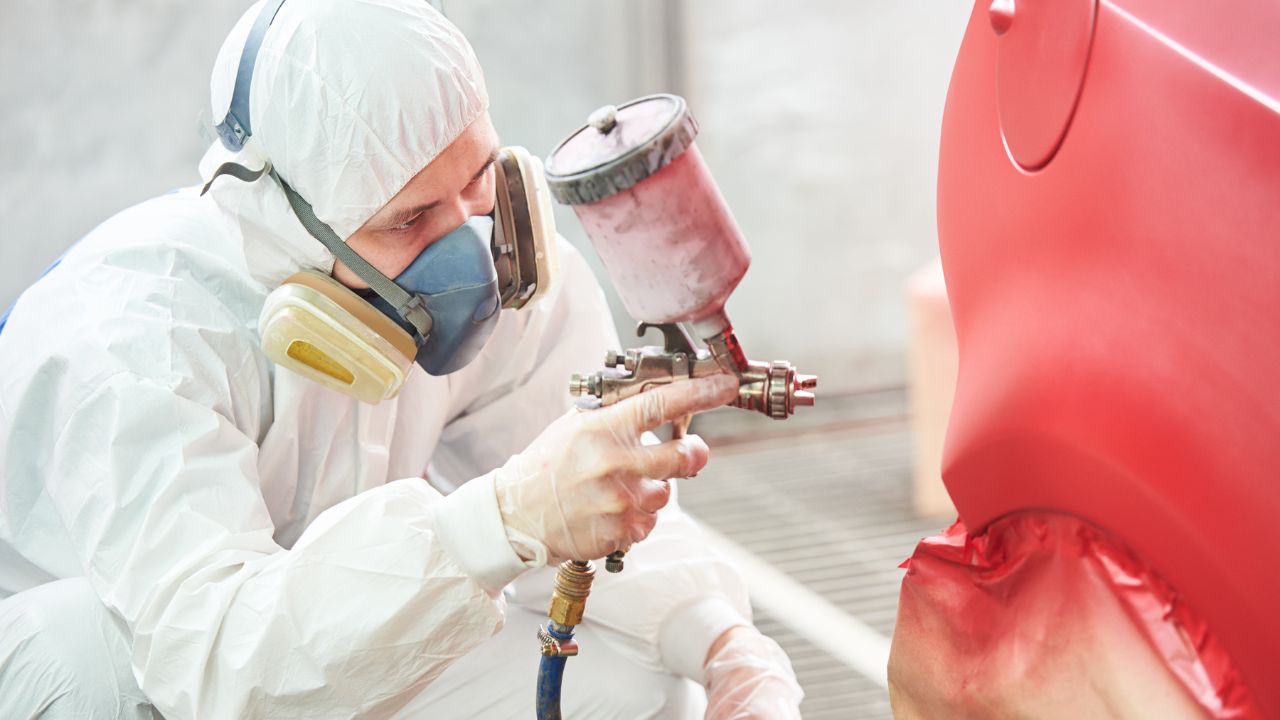
Drying and curing times directly determine the efficiency of workstation turnaround. Once painting has been finished, adequate time must be allowed for the paintwork to cure fully. The vehicle has to remain parked at the workstation during this period, which limits the workshop’s capacity to accept new orders. Paintwork that has not cured sufficiently is prone to problems such as orange peel, loss of gloss or reduced adhesion. When preparing quotations, you should allocate sufficient lead‑time within your work schedule. This avoids rushed completion that could trigger rework and prevent the finished paintwork from meeting quality requirements.
Car Wrap vs. Paint Cost: Total Cost Comparison
| Cost Category | Car Wrapping | Car Painting |
| Material | Vinyl Wrap | Paint System |
| Labor | Installation | Preparation + Painting + Finishing |
| Equipment | Relatively Low | Higher |
| Downtime | Shorter | Longer |
| Color Change | Easier | More Expensive |
| Reversibility | Yes | No |
| Maintenance | Replace/Repair Film | Repaint/Repair |
Car Wrapping vs. Painting: Long-Term Cost and Maintenance
The answer to whether wrapping is cheaper than painting your car depends on more than the initial installation price. Maintenance, repairs, colour changes, resale value, and service life can all affect the total cost over time.
Maintenance Requirements
Day‑to‑day maintenance for vinyl wrap is relatively simple. Some premium wrap films feature self-healing top layers that can reduce the appearance of minor surface scratches when exposed to heat. Paintwork requires regular waxing, ceramic coating or ceramic coating to maintain its shine, entailing higher maintenance frequency and costs. In purchasing decisions, the ease of maintenance offered by vinyl wrap is a direct plus point for end customers in terms of their user experience.
Repair and Replacement
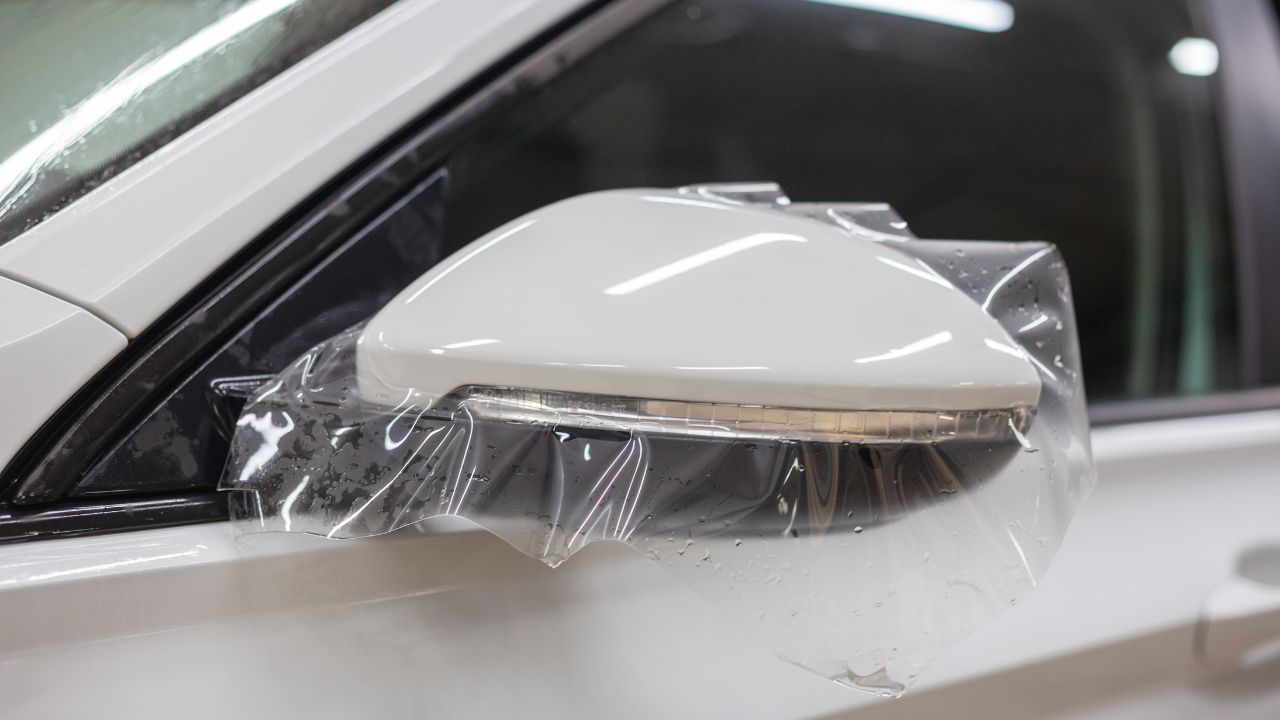
When customers ask which is cheaper, wrapping a car or painting a car, repair and replacement costs should also be considered. If a film is damaged, it can be restored simply by replacing the film on the affected section of the panel. There is no need to treat the entire surface, and the cost of a single repair is relatively low. In contrast, a paint repair requires the entire panel to be repainted, and the costs associated with colour matching and blending will drive up the repair bill. For car owners, the fact that film can be replaced in sections means a lower long-term maintenance budget.
Color Change and Rebranding
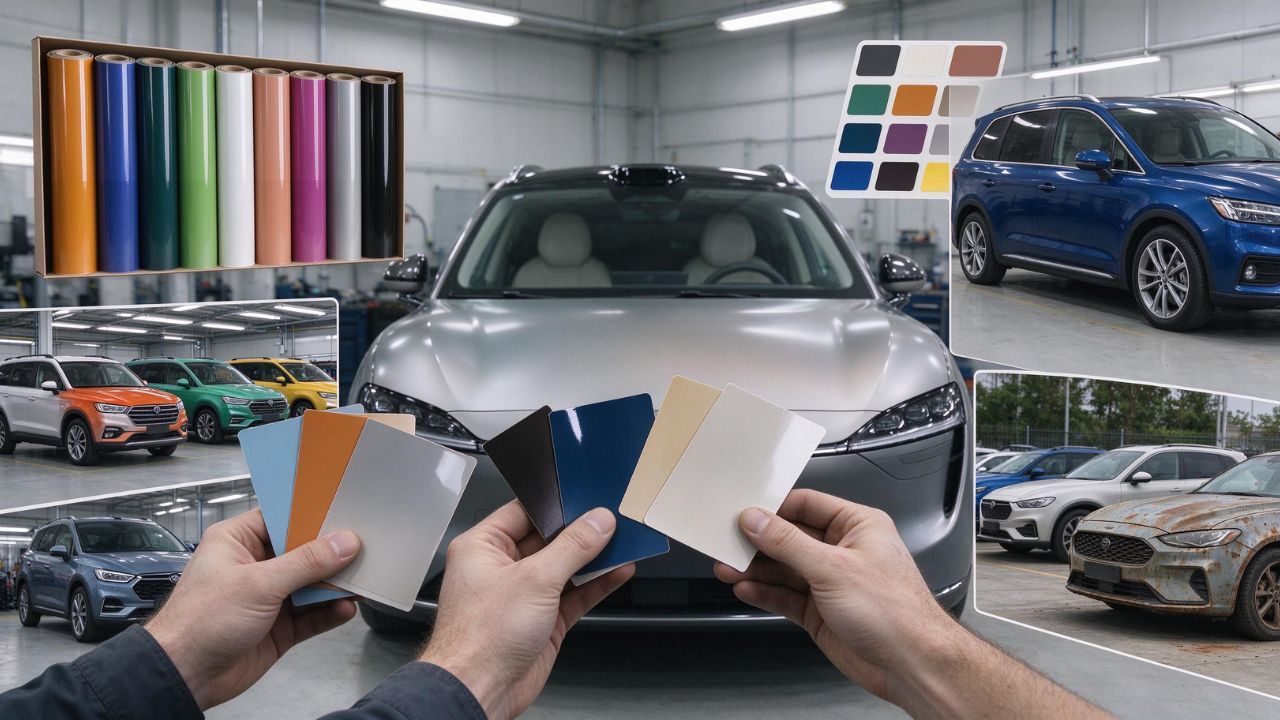
Changing the colour with a vinyl wrap is simple and straightforward: simply peel off the old wrap and apply a new one to change the colour. When considering the wrap vs paint pros and cons, this flexibility makes vinyl wrap particularly suitable for regular rebranding of fleet or branded vehicles. This is ideal for regular rebranding of fleet or branded vehicles. Changing the colour by spray-painting requires sanding down the old paintwork and reapplying a new coat, which is a complex and time-consuming process. For customers who need to frequently adjust their brand colours or customise the appearance of their vehicles, the flexibility offered by vinyl wraps is a clear advantage.
Vehicle Resale and Reversibility
vinyl wrap can be fully removed without damaging the original paintwork. Restoring the vehicle to its factory‑finished condition helps it achieve a higher resale value on the second‑hand market. Paintwork, by contrast, constitutes a permanent modification. Once the original paint layer has been over‑coated, it cannot be restored, which has a more significant impact on a vehicle’s second‑hand residual value. For car owners who prioritise retaining the vehicle’s value, the reversibility of vinyl wrap is a key deciding factor.
Expected Service Life
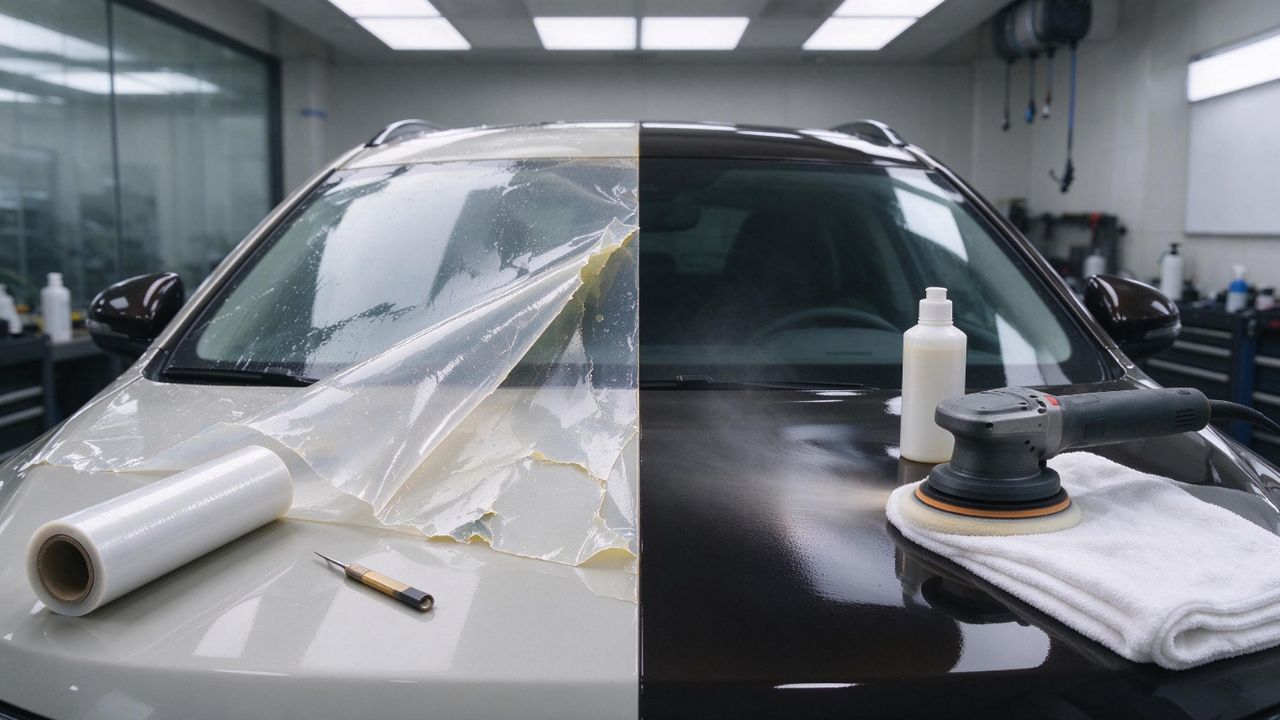
High-quality vinyl wrap can last for 5 to 7 years under normal conditions of use, and regular maintenance can help to extend its lifespan. High-quality paintwork, on the other hand, can last for 10 to 15 years, offering a longer overall lifespan. You should recommend a solution based on the customer’s vehicle ownership period and budget. When comparing the price of wrapping vs painting a car, vinyl wrap is more suitable for short-term vehicle ownership or frequent appearance changes, while paintwork can offer better value for money over the long term.
FAQs
Is Car Wrapping Cheaper Than Painting for Fleet Vehicles?
Fleet vinyl wrap installation delivers substantially lower costs. Multiple vehicles of the same model can share identical film patterns and fitting templates, while bulk procurement of the film also brings price‑related benefits. Restoring the vehicle to its original factory condition after colour-changing is more straightforward, and has minimal impact on the fleet’s resale value. If your clients operate in the ride-sharing or car-rental sectors, vinyl wrapping offers greater cost competitiveness of both initial investment and ongoing maintenance.
Is Car Wrapping Cheaper Than Painting for Temporary Color Changes?
The answer to whether wrap is cheaper than paint depends on vehicle condition, material quality, labour rates, and how long the colour change needs to remain in place. For temporary colour changes, vehicle wrapping is often more flexible because the film can be removed without requiring a complete repaint. For vehicles deployed for short‑term displays or seasonal marketing campaigns, vehicle wrapping offers unmatched flexibility and cost‑efficiency compared with repainting. It is therefore ideal for encouraging customers with temporary requirements to reach fast purchasing decisions.
Is It Cheaper to Wrap a Car Again Than Repaint It?
When comparing the cost of wrapping vs painting a car over several colour changes, reapplying a vinyl wrap can be more economical than repainting. After removing the old wrap, you only need to clear any leftover adhesive before fitting new film. No sanding back to primer or full rebuilding of the coating system is required, unlike the process for repainting. For fleets or display vehicles that require regular updates to their brand colours, the cost advantage of reapplying a vinyl wrap becomes increasingly significant with each change.
Does the Vehicle Size Change the Cost Difference Between Wrapping and Painting?
Vehicle size has a significant impact on the cost difference between the two options. While large vehicles such as SUVs or lorries require more film material, both material consumption and labor requirements generally increase as vehicle size increases. The larger the vehicle, the more significant the increase in time costs associated with surface preparation and the spraying process. The cost difference may become more significant on larger vehicles, particularly when painting requires extensive preparation and multiple finishing stages.
Does Vehicle Condition Affect Whether Wrapping or Painting Is Cheaper?
The condition of the vehicle has a direct impact on cost considerations. Vehicles with an intact original paintwork require lower installation costs, as the film can be applied directly without the need for additional preparation. For vehicles with existing paintwork damage, imperfections must be repaired before the film is applied to achieve a smooth finish. These repair costs will reduce the cost advantage of the film installation. When dealing with vehicles in average condition, you should first assess the repair costs before recommending a solution.
Is Partial Car Wrapping Cheaper Than Partial Painting?
Partial wrapping can be more cost-effective for certain cosmetic modifications, particularly when the selected panels can be wrapped without extensive surface preparation. Fitting film to panels such as the bonnet and roof is fast, and material consumption can be kept under control. Spot repainting, by contrast, still requires full colour‑matching, spraying and baking processes. Achieving a seamless blend between old and new paintwork also takes a great deal of time. For bespoke partial modifications, film application offers clear advantages in terms of both cost and turnaround time. Customers considering whether they can wrap their car themselves may save on labour costs, but clean edges, proper stretching, and long-term adhesion require suitable tools and installation skills.
Final Thoughts
The right vinyl wrap can help you deliver consistent results across different vehicle projects while meeting your customers’ finish and performance requirements. Whether you need standard colors, custom finishes, or private-label solutions, Contact Us to discuss your requirements and get a suitable vinyl wrap solution for your market.