
Satin PPF Manufacturer
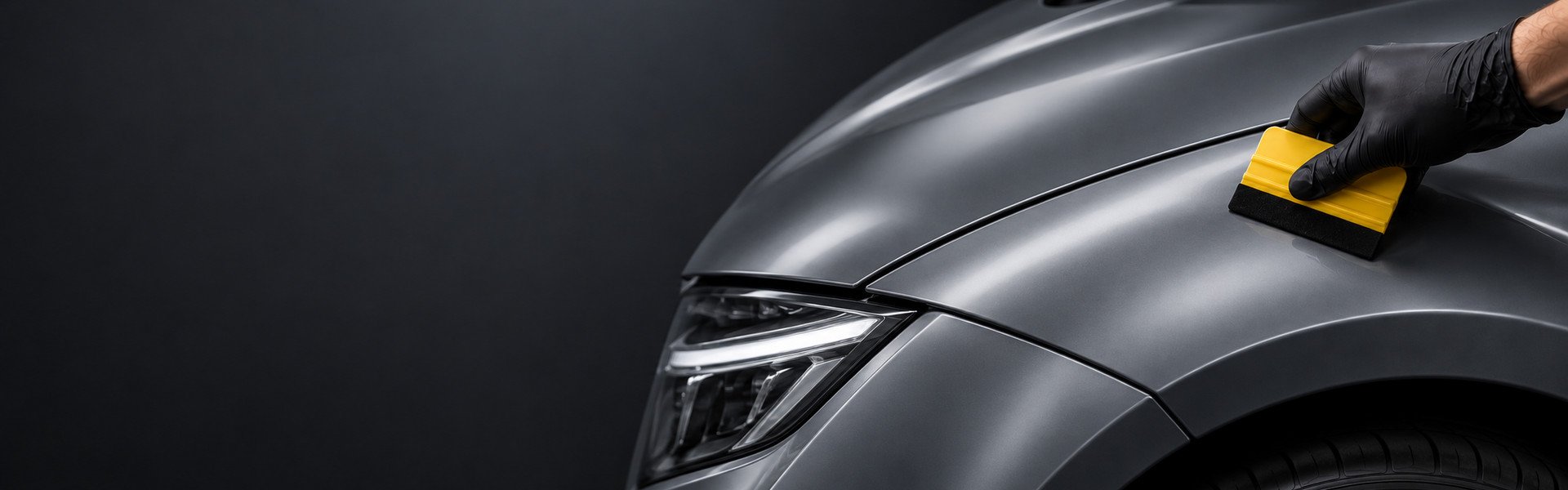
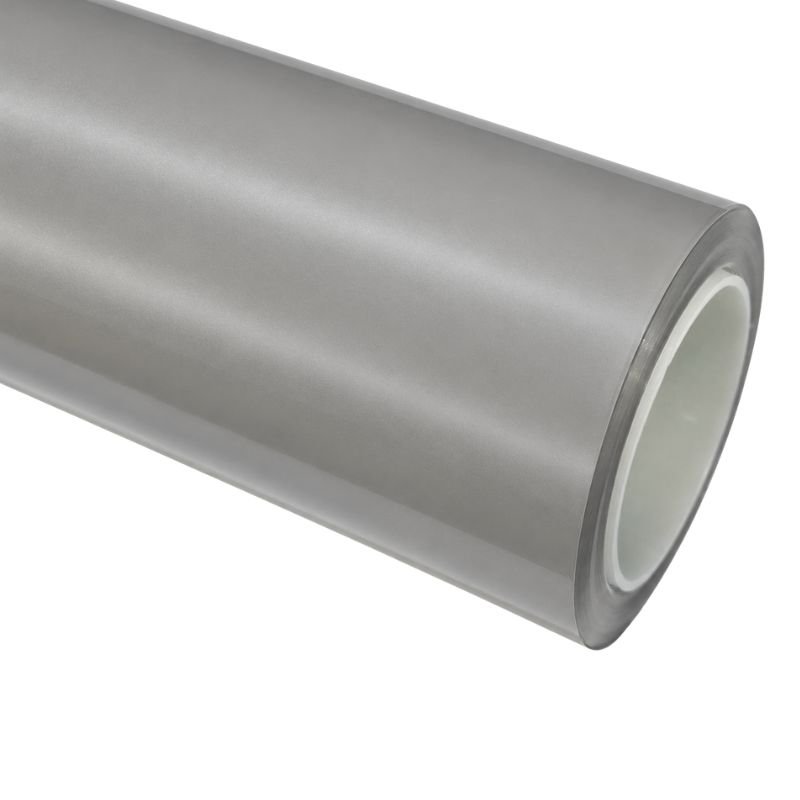
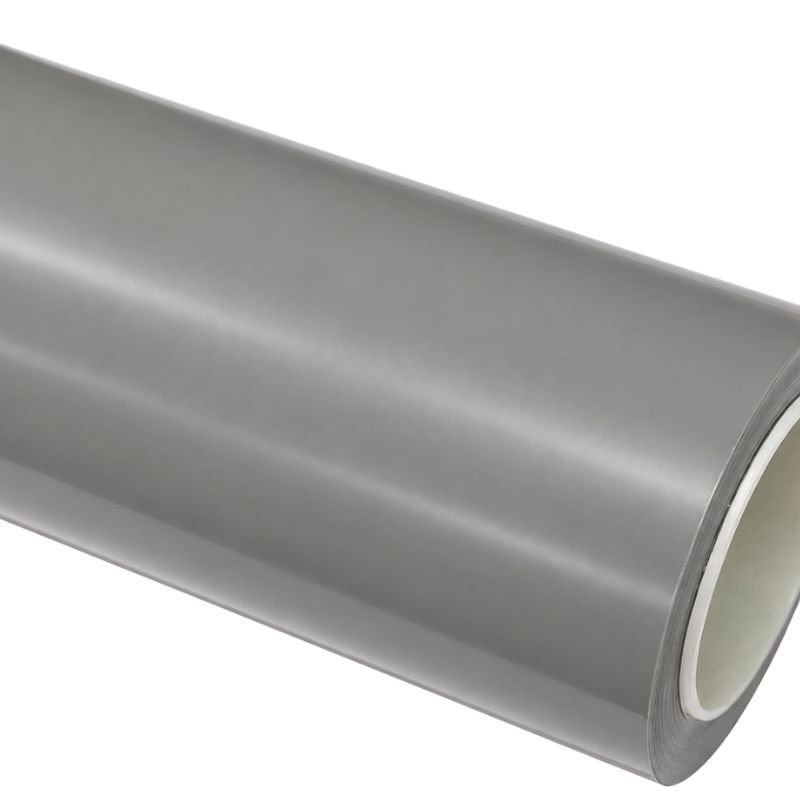
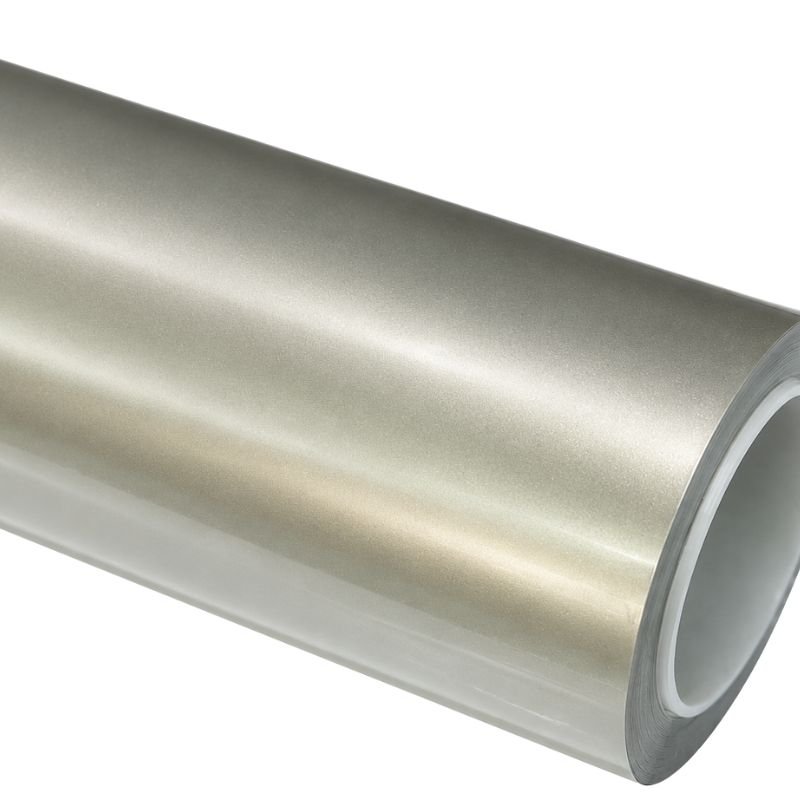
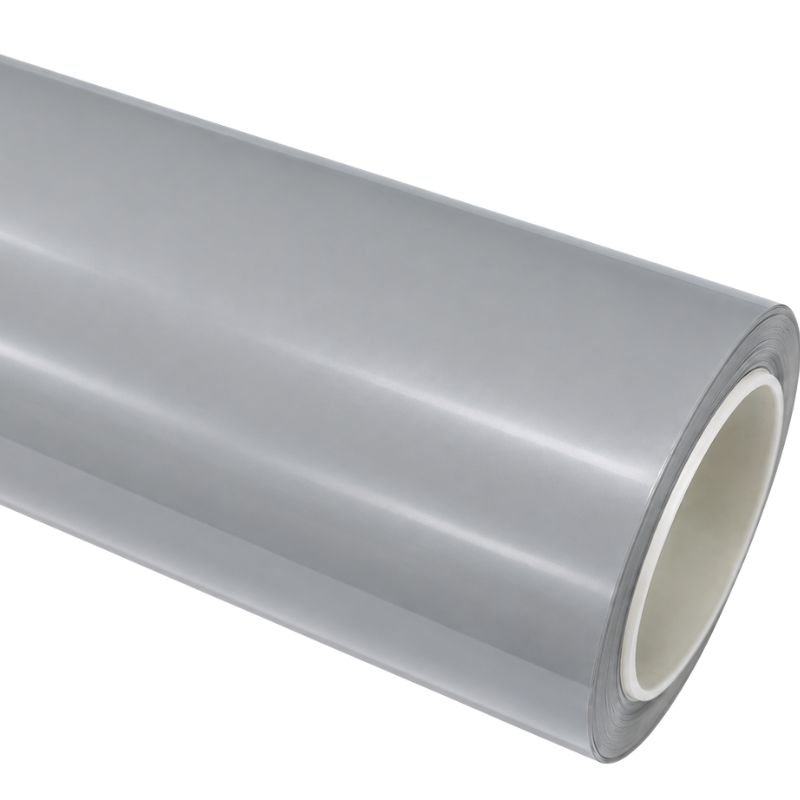
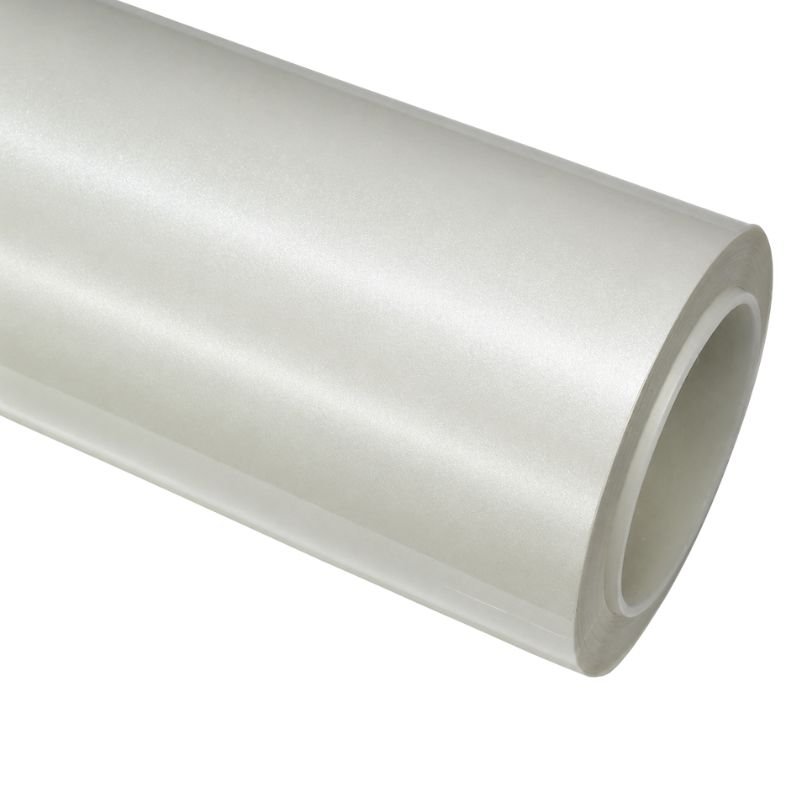
WrapMasterPPF satin PPF is designed to combine a natural satin finish with TPU paint protection. Its controlled low-gloss surface creates a clean, refined appearance, helping you achieve a satin finish without repainting the vehicle. On bumpers, mirrors, fenders, and other curved areas, the film remains flexible during stretching, helping reduce visible gloss changes. Our satin PPF keeps a more uniform satin finish across the whole vehicle, with fewer mismatched areas and less rework after installation.
WrapMasterPPF backs clear satin PPF with a 10-year warranty and satin colour PPF with a 5-year warranty, helping you sell with greater confidence and reduce long-term after-sales concerns. Contact us for Satin PPF samples, wholesale pricing, and OEM options.
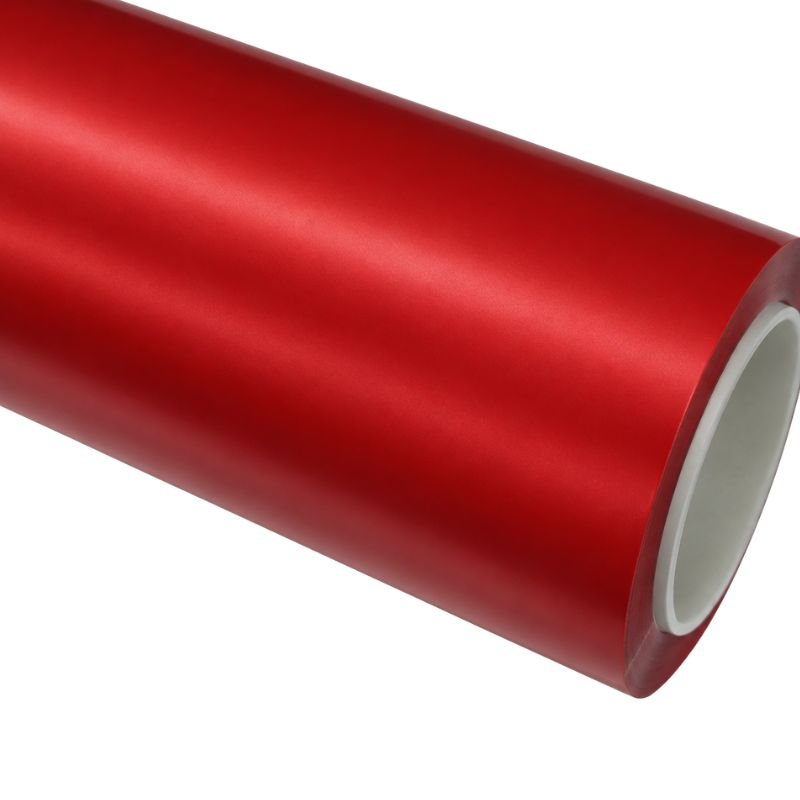
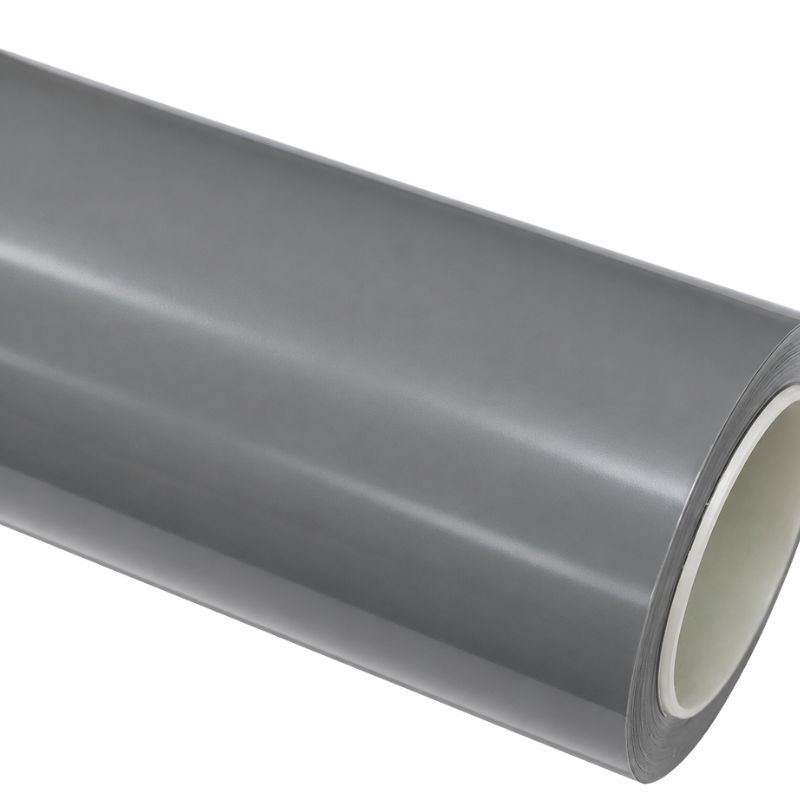
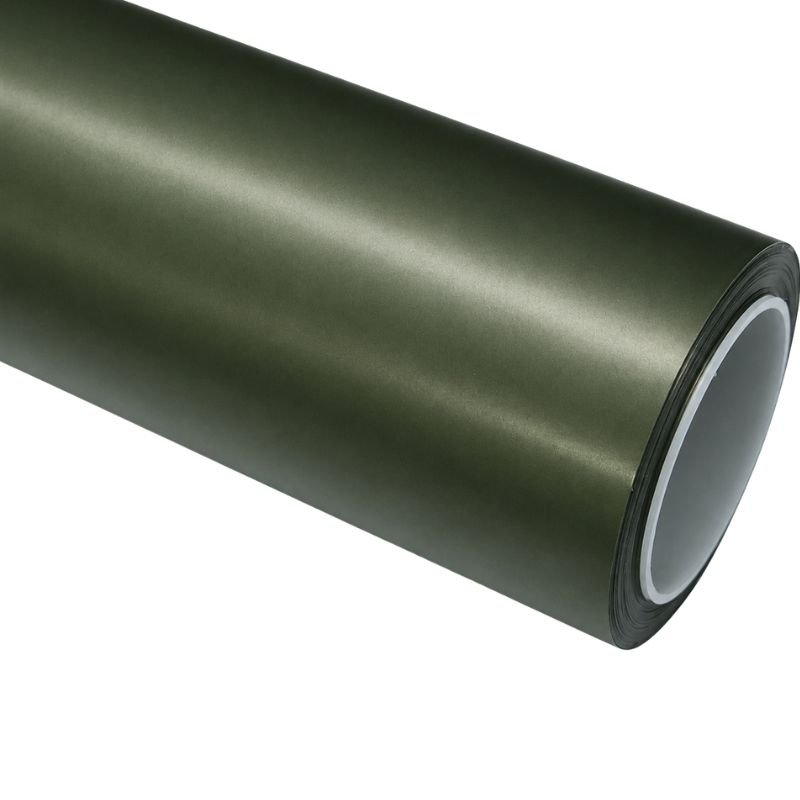
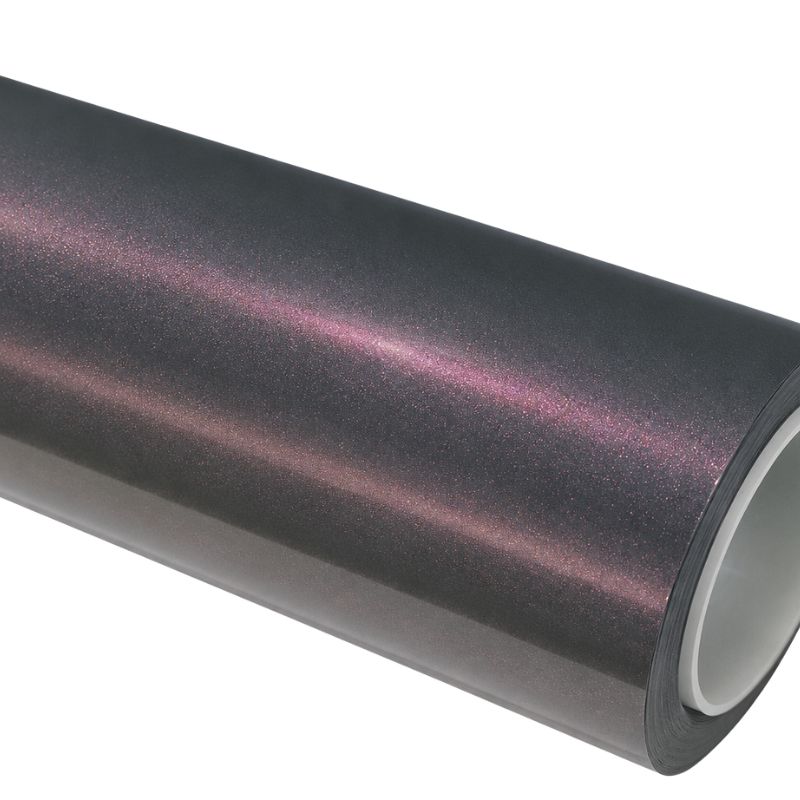
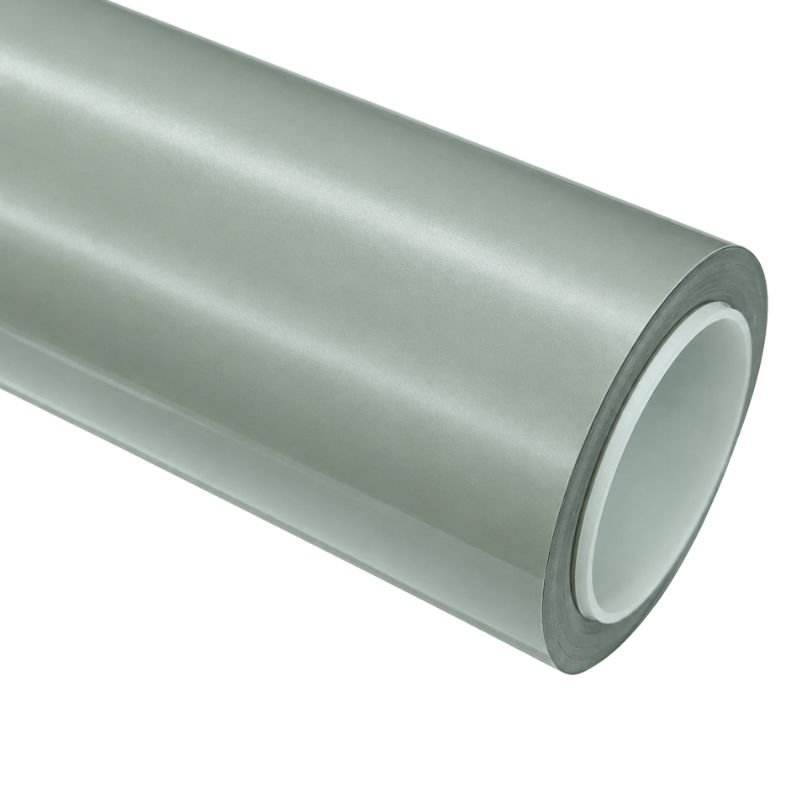
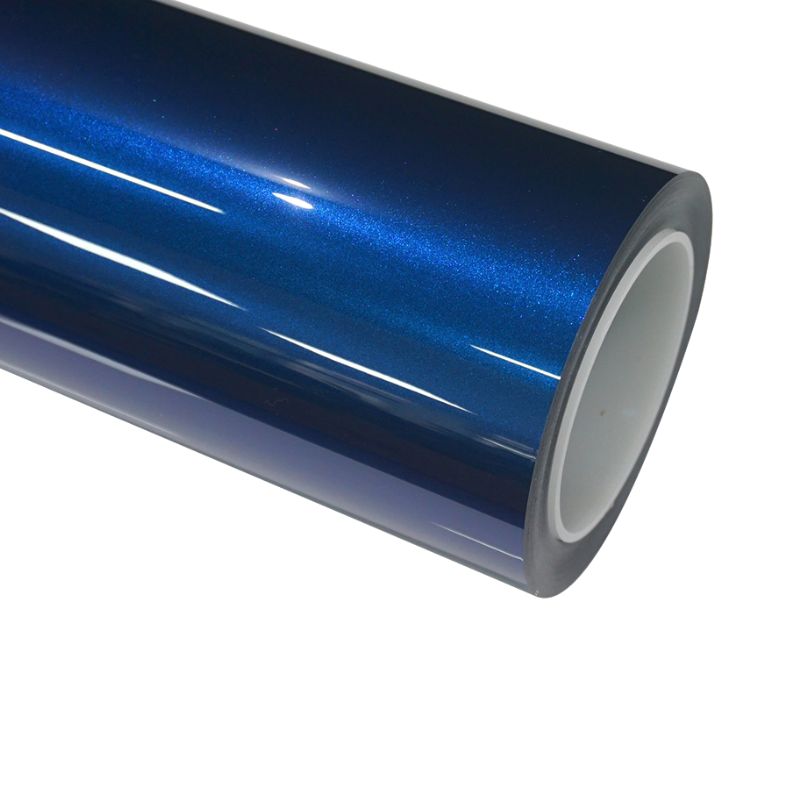
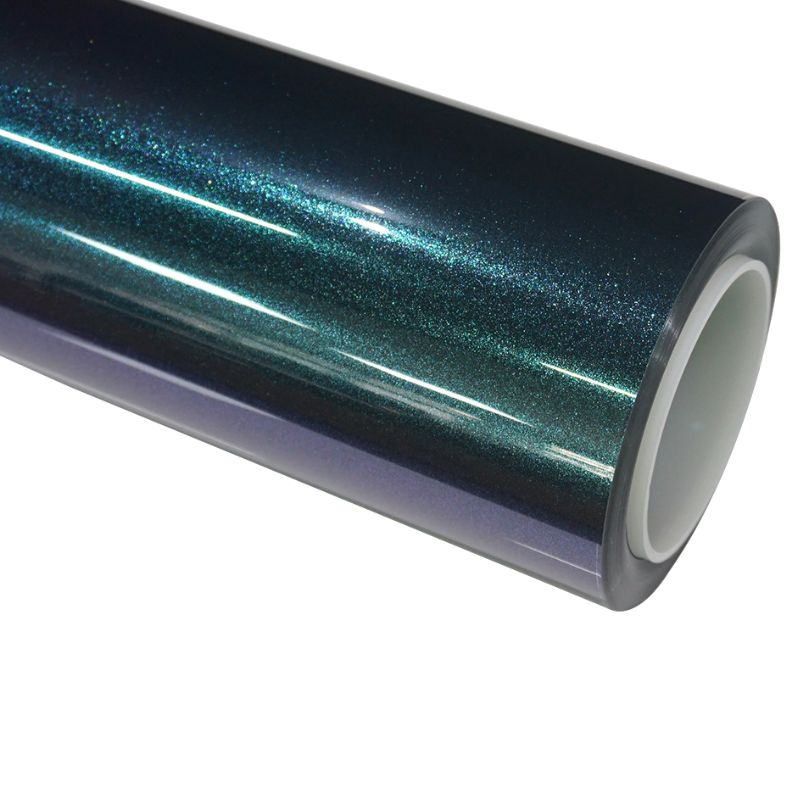
Colours of WrapMasterPPF Satin PPF
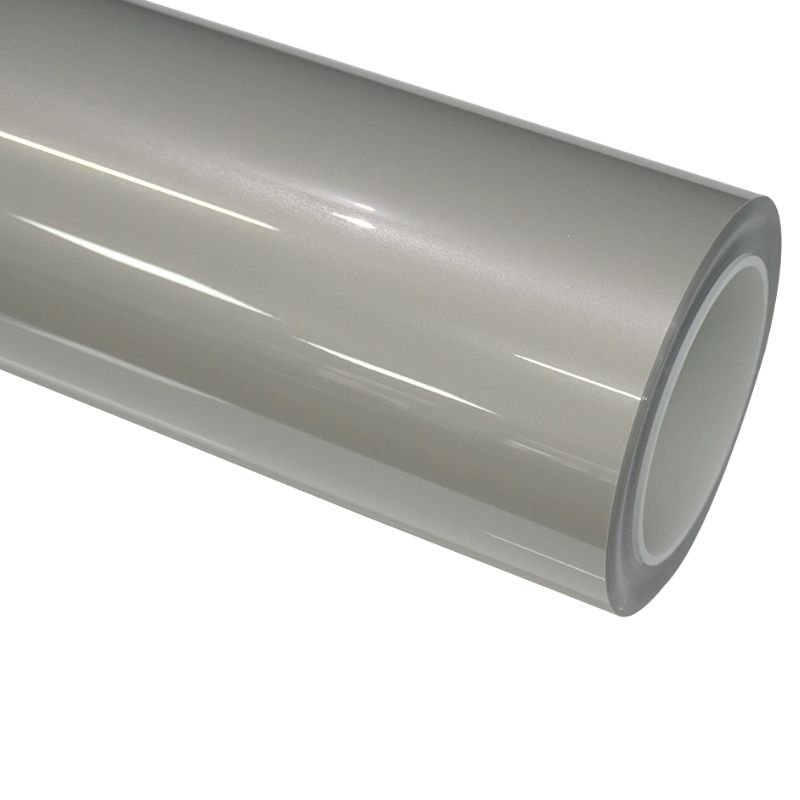
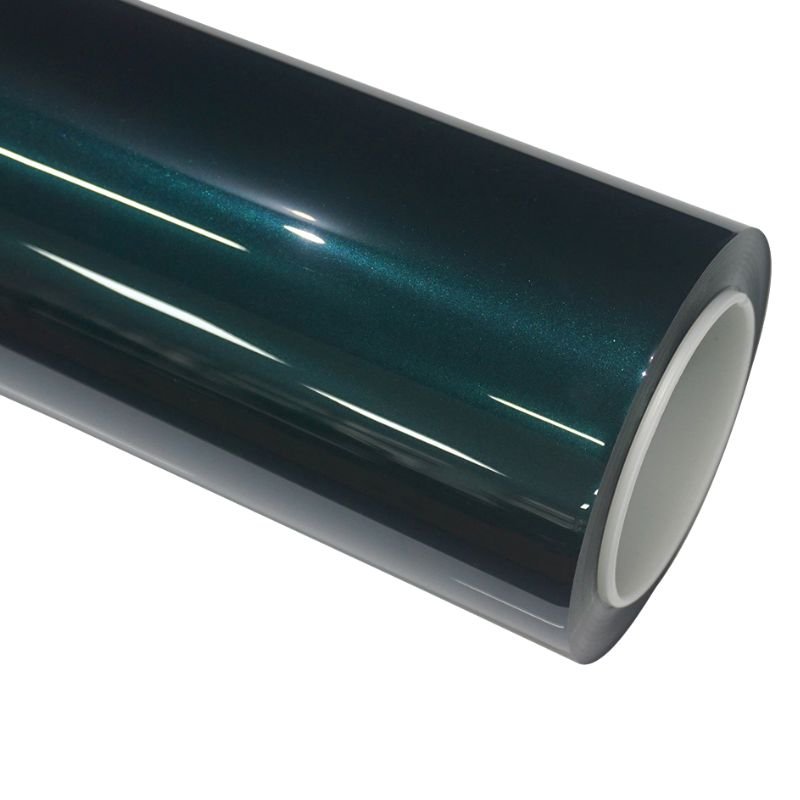
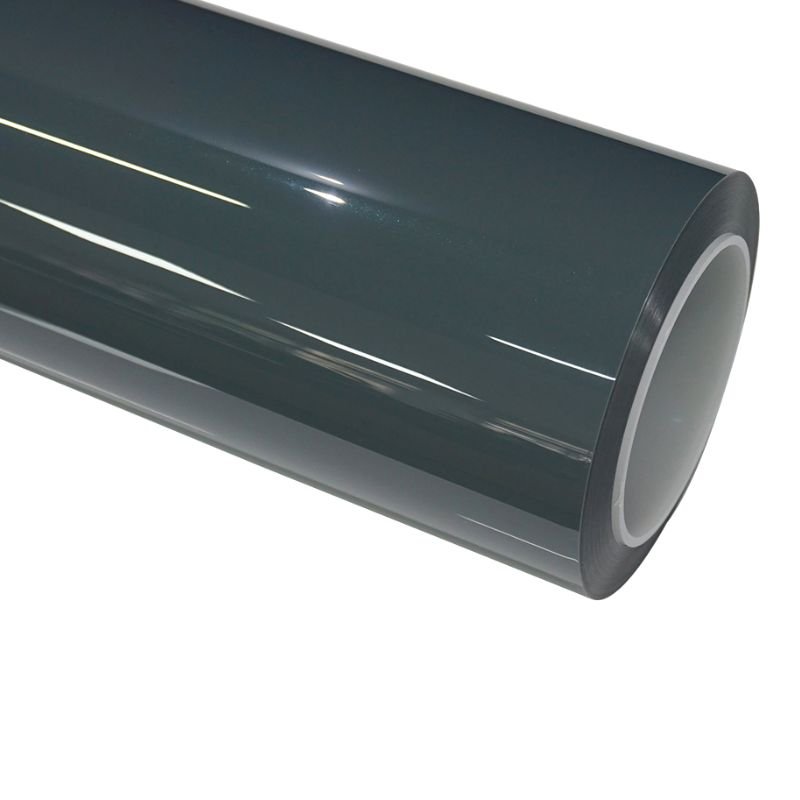
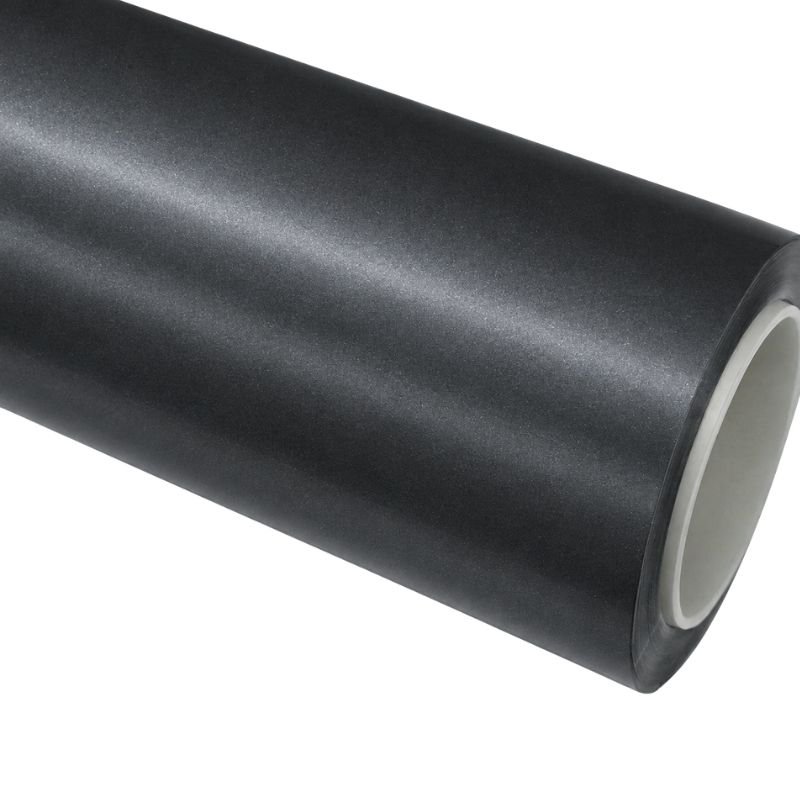
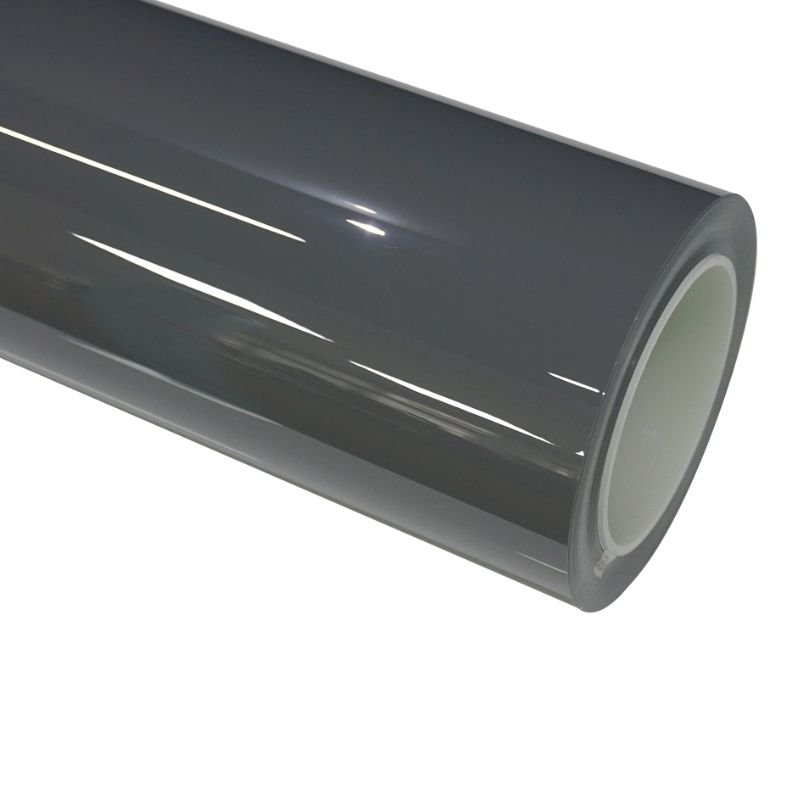
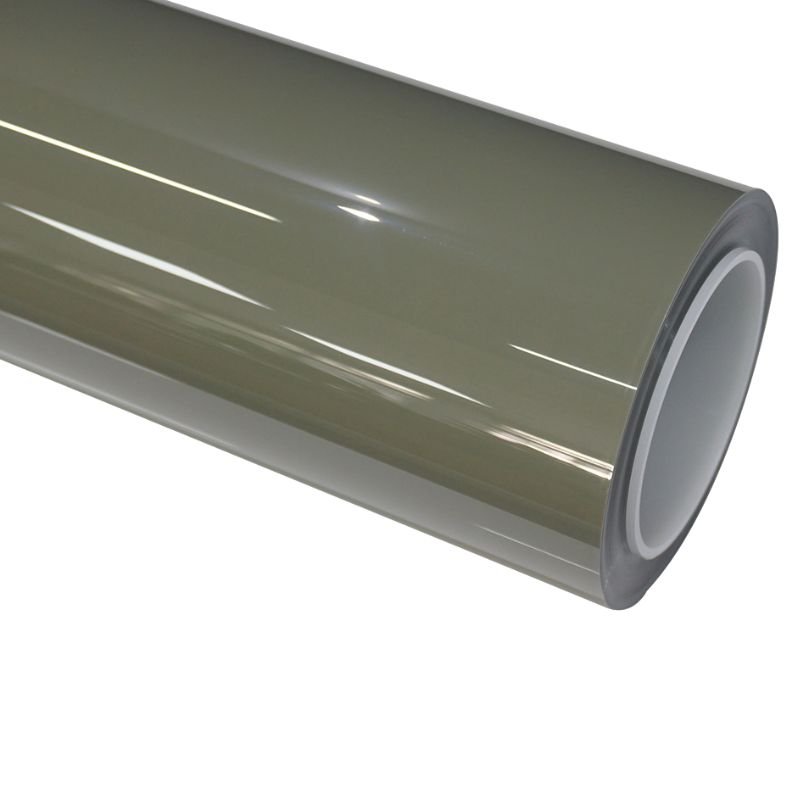
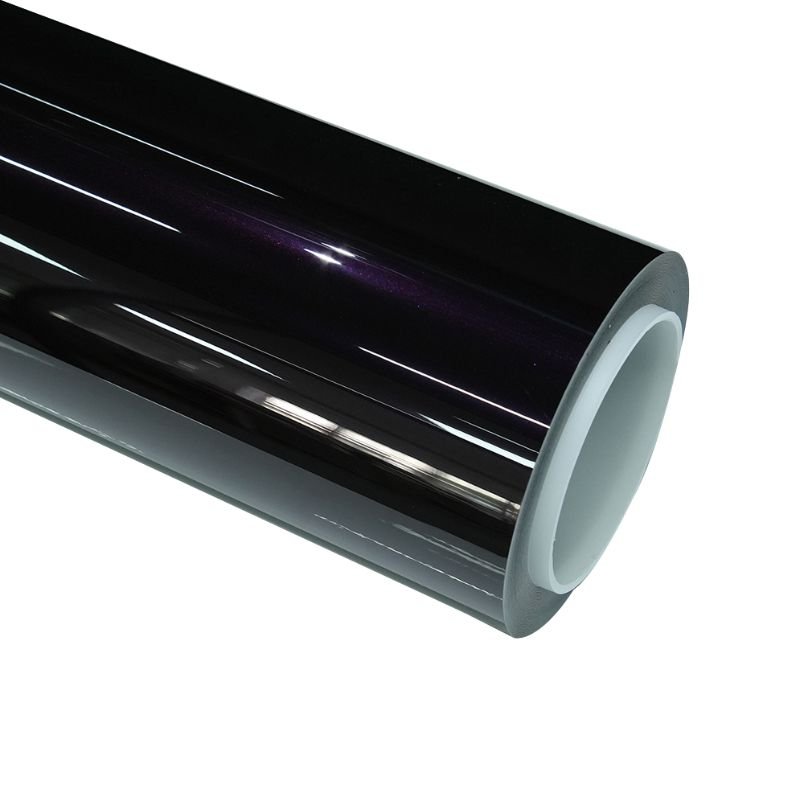
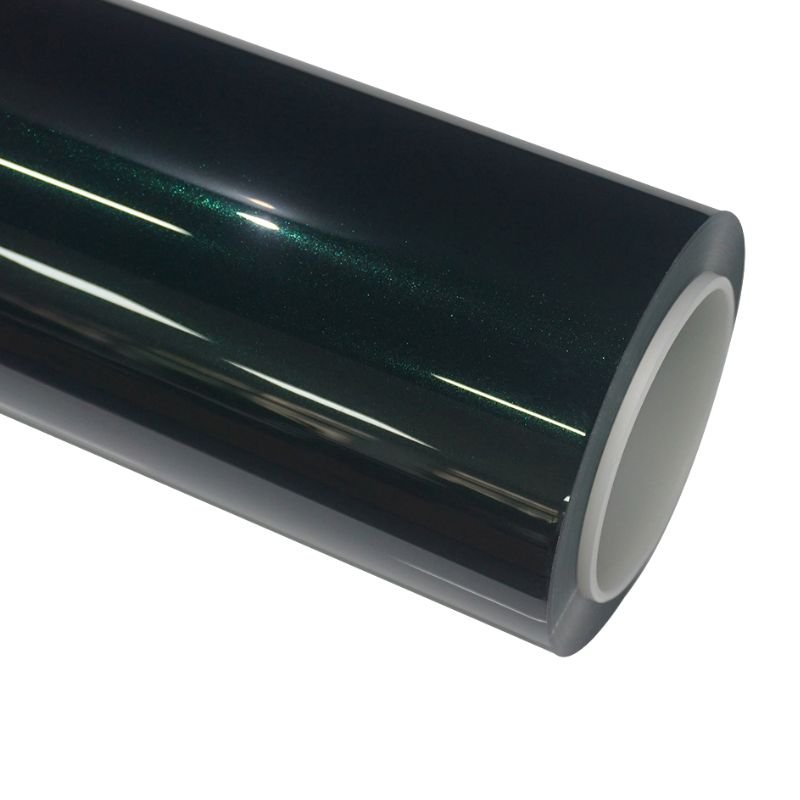
Why Choose WrapMasterPPF Satin PPF?

With smooth low-gloss finish and more even reflection, our satin PPF helps you deliver a cleaner look with fewer appearance complaints.

With hydrophobic surface reducing water spots, fingerprints, and oily marks, our products make aftercare easier and reduce maintenance-related questions.

TPU protection against stone chips, stains, UV, and road debris, giving your customers appearance and protection in one film.

- Less prone to visible marks than flat matte surfaces, helping improve long-term satisfaction and reduce cleaning complaints.
Self‑Healing Scratch Resistance
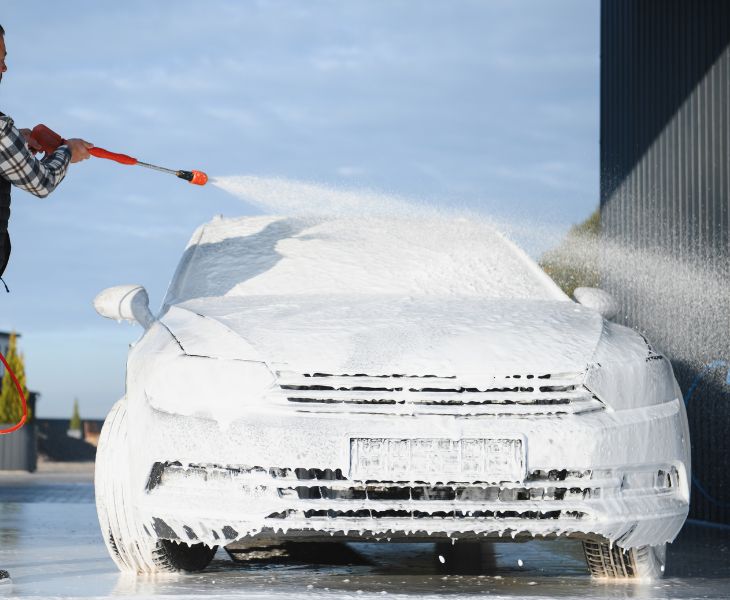
The TPU surface of our satin PPF can repair light swirl marks and fine scratches with heat from sunlight or warm water. After the film is applied, your customers may get small scratches from daily driving, car washing, or normal use. Many of these light marks can disappear after heating, helping the film keep a cleaner satin surface and reducing complaints about minor scratches.

Long-Term Satin Stability
Our satin PPF uses UV-resistant TPU and a weather-resistant satin topcoat to help control yellowing, fading, and unwanted gloss changes during outdoor exposure. On full-body satin projects or repeat orders, even small gloss differences can affect the final appearance. A more stable satin surface helps you keep the finish more uniform over time and reduces after-sales problems caused by areas becoming shinier, duller, or noticeably different after months of sun, rain, and temperature changes.
Specifications
| Items | Specifications |
| Raw Material | Lubrizol |
| Material | TPU-Thermoplastic Polyurethane Elastomer |
| Size | 1.52 × 15 m |
| TPU Thickness | 150 ± 10 μm |
| Coating | Cashew Coating |
| Coating Thickness | 15 ± 2 μm |
| Adhesive Thickness | 25 ± 2 μm |
| Adhesive Type | Ashland |
| Release Liner Thickness | 75 ± 2 μm |
| Clearcoat Thickness | 50 μm |
| Overall Thickness | 330 ± 10 μm |
| Elongation at Break | >300% |
| Tensile Strength | 25 MPa |
| Tear Resistance | 100 N |
| Puncture Resistance | >15 N |
Cases of Our Satin PPF
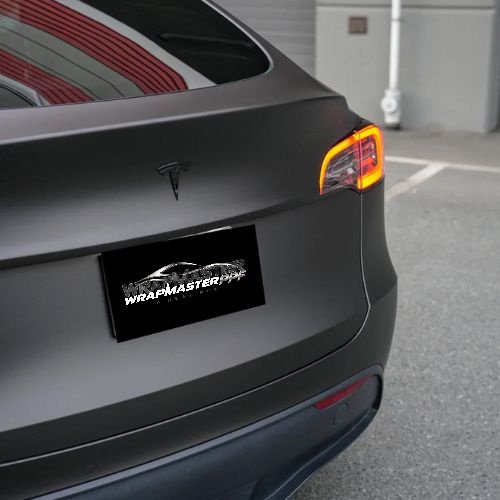
Visible fingerprints, water spots, and surface dirt were causing extra questions after matte-film installations. The customer wanted a finish that still looked low-gloss but was easy to maintain than a very flat matte surface. We recommended Satin PPF with a hydrophobic topcoat. Its smoother satin surface helped make light marks less obvious and maintenance easier, giving them a lower-maintenance choice for their customers who liked the matte look but did not want difficult daily care.

The main request here was not a special finish, but dependable supply. The customer needed Satin PPF for regular projects and wanted to avoid changes in roll size, surface appearance, or packaging between repeat orders. We supplied 1.52 × 15 m rolls from the same product specification and kept the packaging format unchanged for subsequent orders. A stable supply setup made stock planning easier and cut the need to check product details every time they reordered.
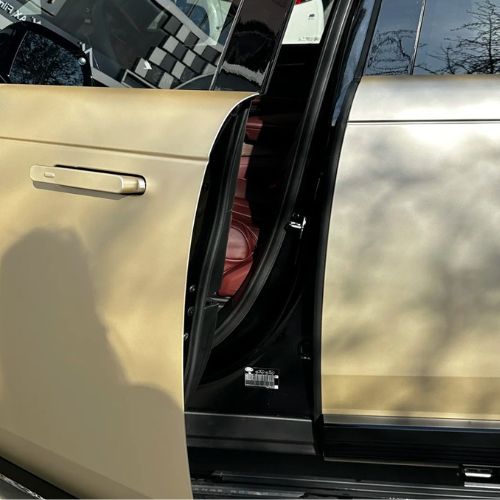
This customer already sold clear paint protection film and wanted to add color-change options without moving into ordinary PVC wrap film. We recommended Satin Color PPF so they could offer color change and paint protection in one product. The first order focused on several easier-to-sell satin colors rather than a large color range. This allowed them to test local demand with lower stock pressure and keep the same TPU-based product direction as their existing PPF business.
The main difference between Satin PPF and Matte PPF is the gloss level. Satin PPF keeps a soft sheen, while Matte PPF gives a flatter finish. If you supply film for full-body projects, Satin PPF is usually easier to manage because fingerprints, water marks, and small gloss differences are less obvious. Before you place a bulk order, test both finishes on the same dark paint panel under sunlight and workshop lighting. It can help you choose the right satin vs matte PPF for your market and reduce complaints caused by customers expecting a different level of gloss.
You can install Satin PPF on repainted panels, but you have to confirm that the paint is cured and firmly bonded first. Refinished paint is more likely than factory paint to lift during film removal if the surface preparation or curing was poor. For repaired vehicles, ask for the repaint date and have a test before starting the full installation. If you handle repeated fleet or body-shop projects, setting this check as part of your installation process can help you avoid paint-lifting claims and unnecessary film replacement later.
Yes, you need to be careful when applying satin PPF over ceramic coating because the coating can reduce adhesive grip. This is most noticeable around edges, deep curves, and stretched areas. If you know the panel has been ceramic coated, remove the coating from the installation area or polish the surface before applying the film. When the coating history is unclear, you need to run an adhesion test first. Taking a few minutes to check the surface can save you from edge lifting, repeat installation, and after-sales disputes once the vehicle has been delivered.
Satin PPF edge lifting or shrinkage is usually caused by too much stretch, poor surface cleaning, trapped moisture, or weak edge finishing. Curved areas such as bumpers, mirrors, and deep recesses are more likely to fail because the film stays under tension. When you test a new Satin PPF, apply it to both flat and curved panels and observe the edges again after 24–48 hours. If the film pulls back or lifts, you may need to reduce stretch, improve surface preparation, or adjust the installation method.
When you receive a Satin PPF bulk order, you need to check that the product code, roll size, quantity, and batch number match your order. Then inspect the cartons and roll edges for crushing, telescoping, wrinkles, or liner movement caused during shipping. Open one roll from each batch and unroll 1–2 meters under common lighting. Check the satin surface for uneven gloss, pressure marks, coating lines, dust, or other visible defects.
If you receive damaged products or packages, please submit photos, batch number, invoice, and a brief description to your sales contact; our team will review and respond within 5-7 working days.
Proper Satin PPF storage matters when you keep several rolls for future orders. You should store the film in its original packaging, away from direct sunlight, high heat, moisture, and large temperature changes. Do not stack heavy materials on the rolls because pressure can leave marks on the satin surface. If you hold inventory for several months, record the production date and use older stock first. If you don’t want to waste rolls when you put them into production, we recommend that you follow our instructions.