Carbon Fiber PPF Manufacturer
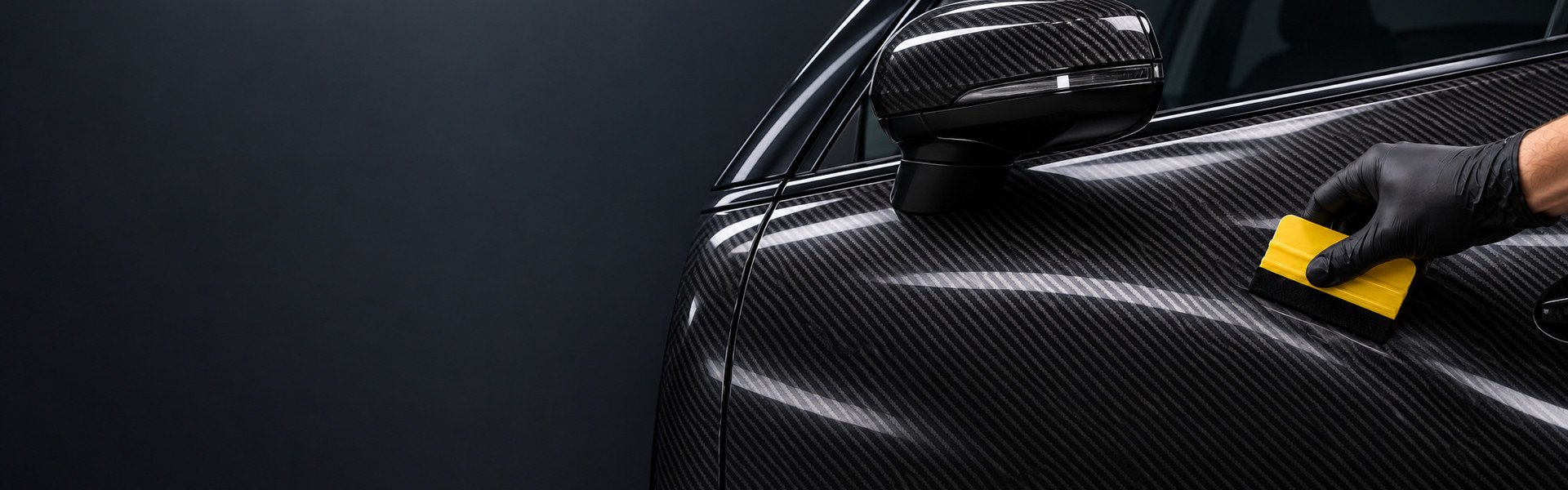
WrapMasterPPF carbon fiber PPF combines a carbon fiber finish with TPU paint protection, delivering a high-end TPU carbon fiber PPF solution paired with paint protection. The TPU film and self-healing topcoat help protect factory paint from daily wear while keeping the carbon look clean and refined. Compared with decorative carbon fiber vinyl, our Carbon Fiber PPF gives you a stronger protection-focused option for customers who want both styling and paint protection. This also helps you position carbon fiber PPF as a higher-value product instead of competing only on the price of standard carbon wraps.
With 15 years of experience and a 50,000 m² factory, WrapMasterPPF supports stable production and reliable supply for your carbon fiber PPF orders. Contact us for custom carbon fiber PPF!
Types of WrapMasterPPF Carbon Fiber PPF
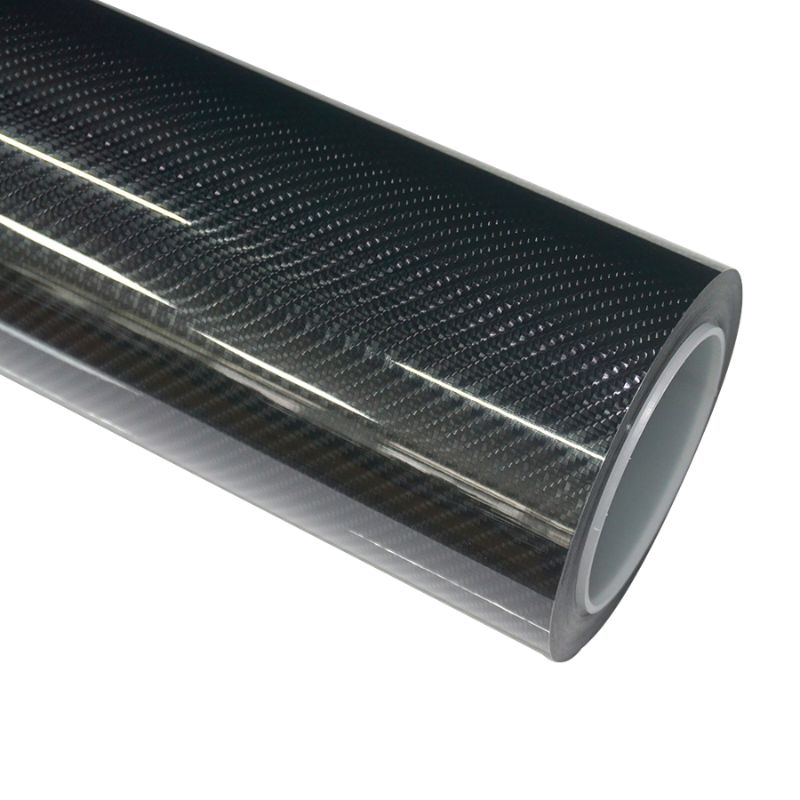
Regular honeycomb carbon fiber pattern, strong geometric effect under light.
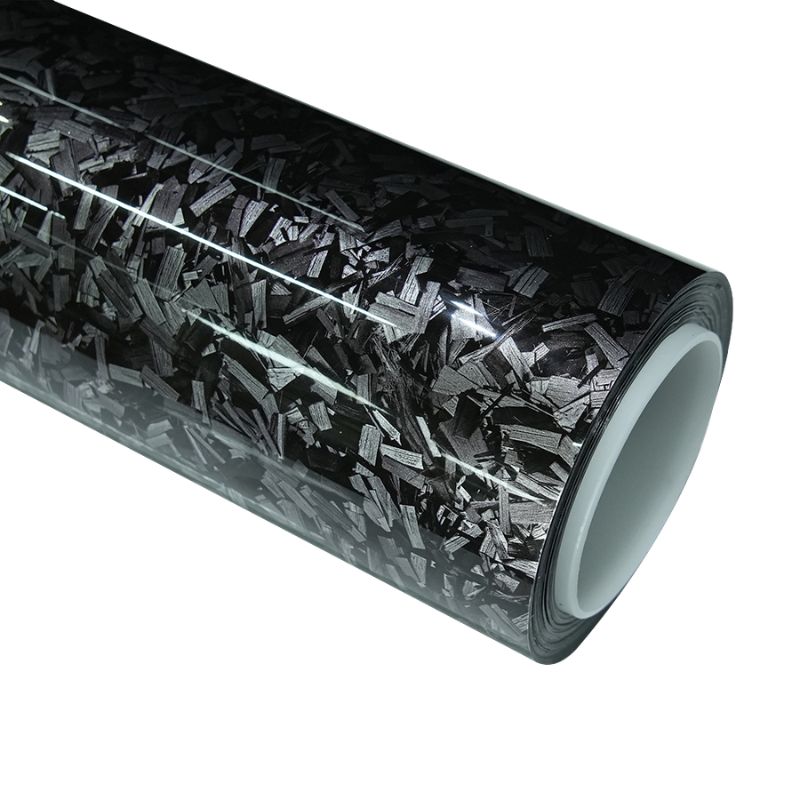
Irregular forged carbon fragments with a glossy finish.
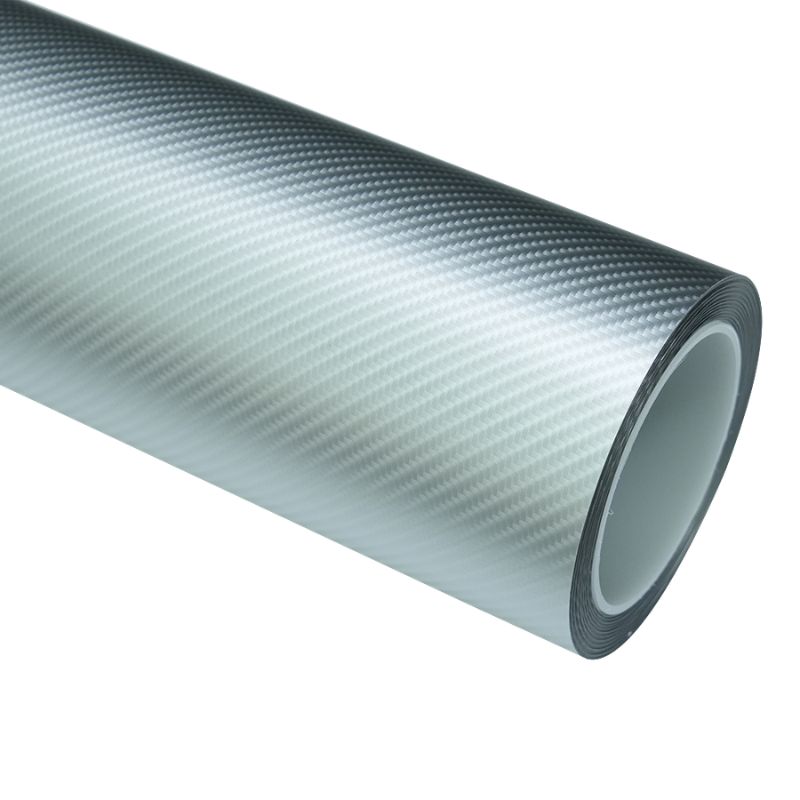
Subtle forged pattern, aircraft-inspired look, more visible from different angles.
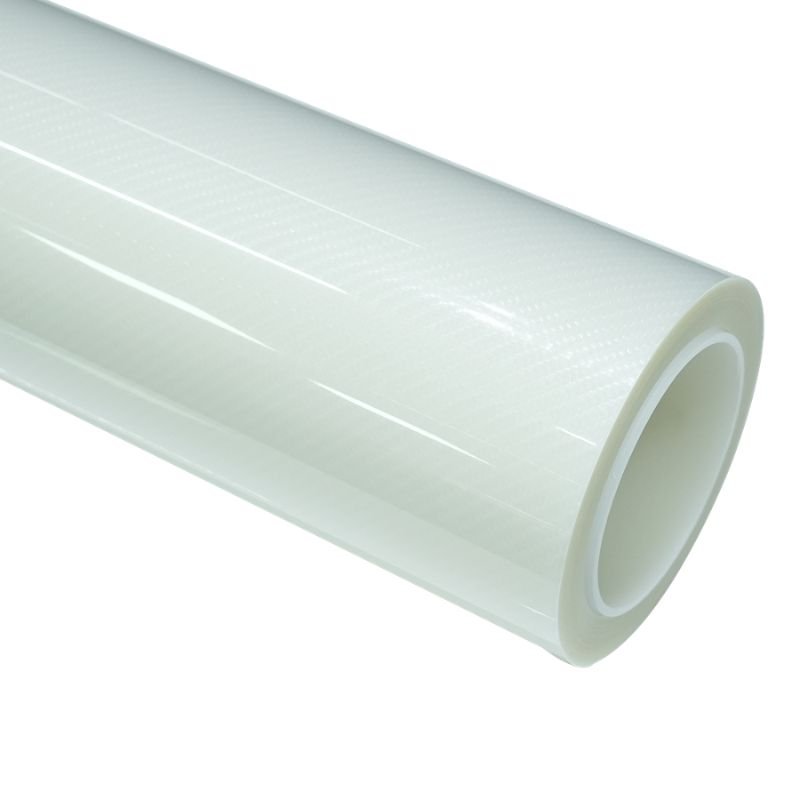
Transparent base film with carbon fiber texture, original paint color remains visible.
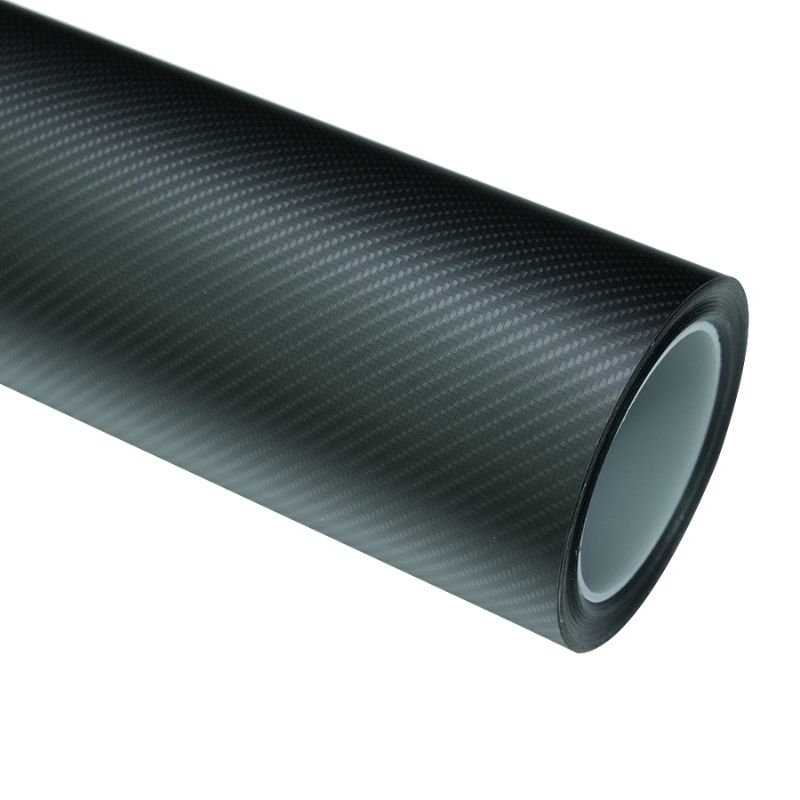
Opaque base with full carbon fiber texture, covers the original paint for a stronger carbon look.
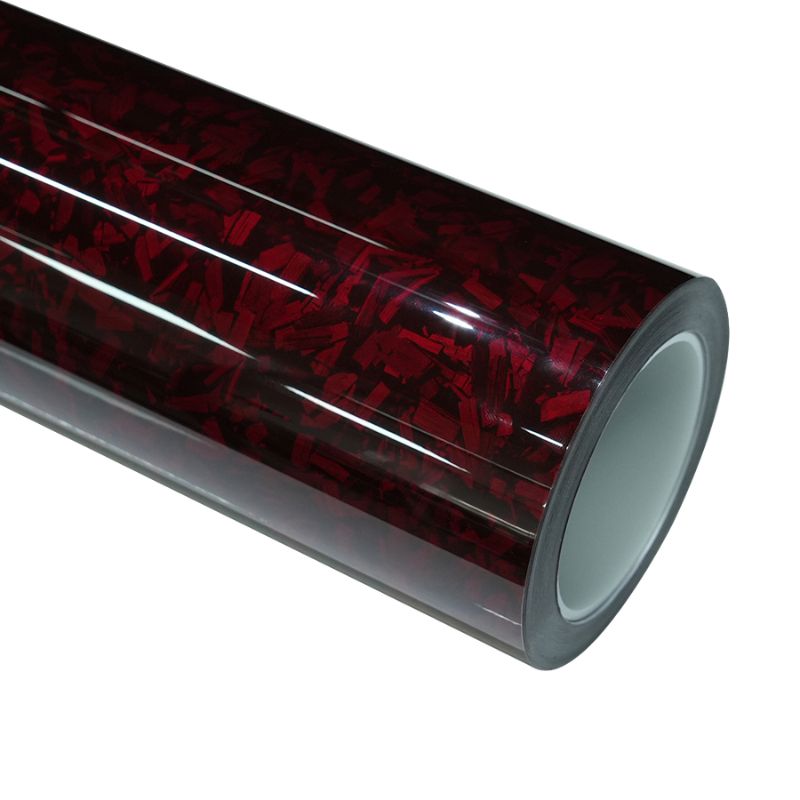
Forged carbon fragments with red details, strong red-and-black contrast.
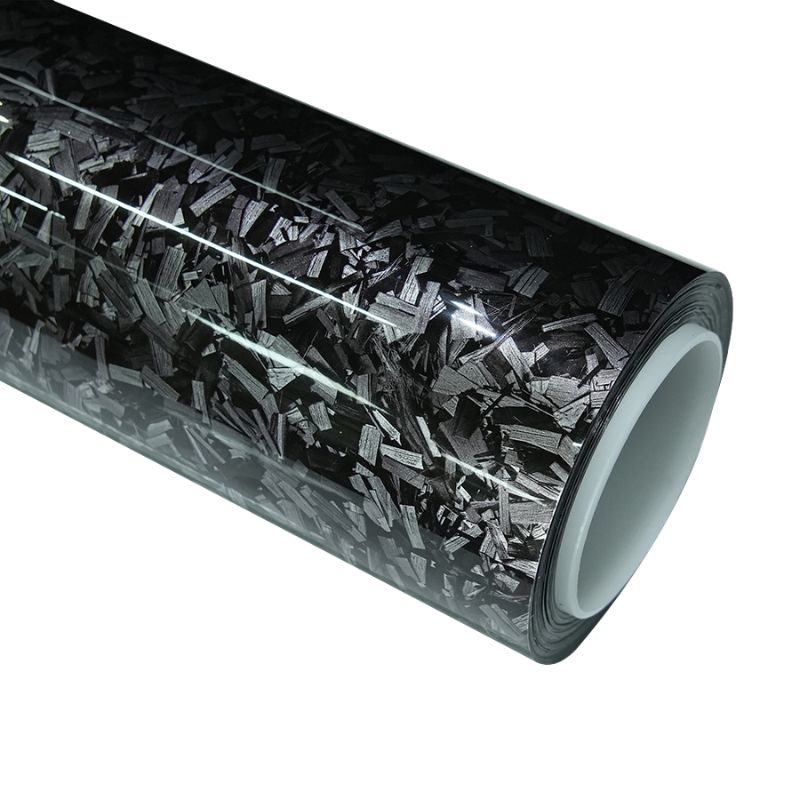
Finer broken fragments, sharper pattern, more complex than regular forged carbon fiber.
Why Choose WrapMasterPPF Carbon Fiber PPF?

Wider rolls cover hoods, roofs, and other large panels with fewer seams, so you waste less film and avoid obvious breaks in the carbon pattern.

We have woven, forged, ghost carbon styles to let you stock more than one look and serve different market preferences.

You can choose custom patterns and finishes for your own product range, private label line, or target market.

When you reorder, tighter control over pattern, color, and gloss reduces visible differences between old and new stock.
Realistic Carbon Fiber Texture
Our Carbon Fiber PPF has a clear carbon pattern and controlled gloss, creating more depth under different lighting instead of the flat look often seen on printed vinyl. The defined carbon texture gives your customers a more satisfying premium visual result, especially on hoods, roofs, mirrors, and display vehicles where surface quality is easy to notice. The cleaner, sharper pattern also sets your product range apart from basic carbon films that compete mainly on price. Our gloss Carbon Fiber PPF reaches around 95 GU, giving the carbon pattern a sharper and more refined appearance.
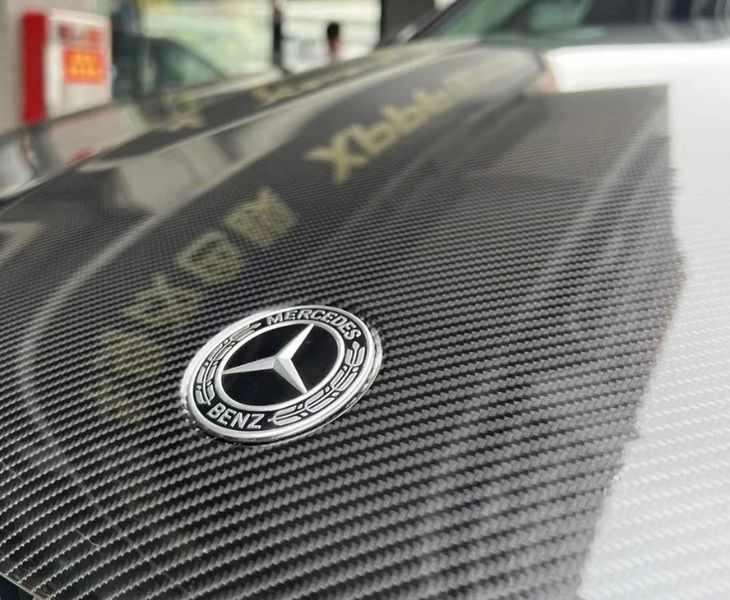
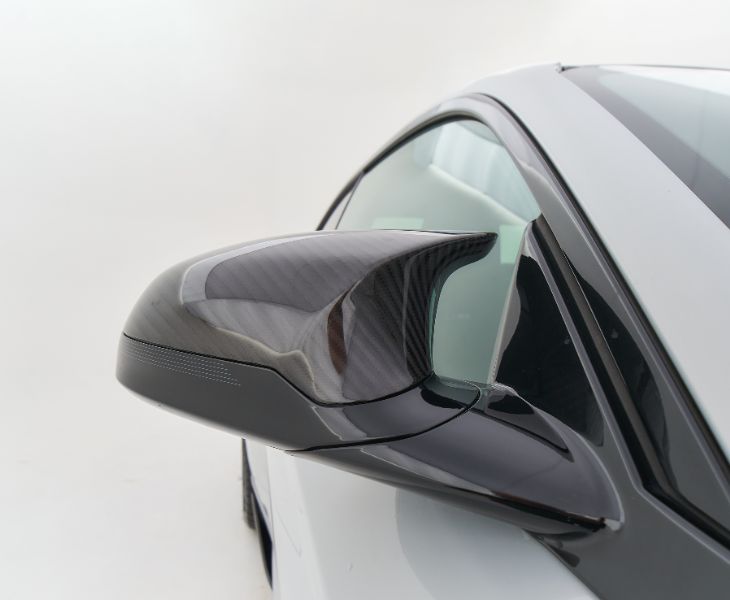
Stable Carbon Pattern on Curves
Mirrors, bumpers, fenders, and other curved areas usually need more stretching than flat panels. If the film becomes pale, cracks at the surface, or the carbon pattern looks heavily pulled, installers may need to remove the piece and start again. Our finished film reaches over 300% elongation, while the coating reaches over 200%, giving you more room to work around curves during installation. This reduces wasted film and rework on difficult panels, which is especially useful when you are handling full-car jobs or repeated installation projects.
Specifications
| Items | Specifications |
| Raw Material | Lubrizol |
| Material | TPU (Thermoplastic Polyurethane Elastomer) |
| Size | 1.52 × 15 m |
| Finish options | Gloss, Matte |
| TPU Thickness | 150 ± 10 μm |
| Coating | Cashew Coating |
| Coating Thickness | 15 ± 2 μm |
| Adhesive Thickness | 25 ± 2 μm |
| Adhesive Type | Ashland |
| Release Liner Thickness | 75 ± 2 μm |
| Clearcoat Thickness | 50 μm |
| Overall Thickness | 330 ± 10 μm |
| Finished Film Elongation | >300% |
| Tensile Resistance | 25 MPa |
| Tear Resistance | 100 N |
| Temperature Range | -30°C to 140°C |
Cases of Our Carbon Fiber PPF
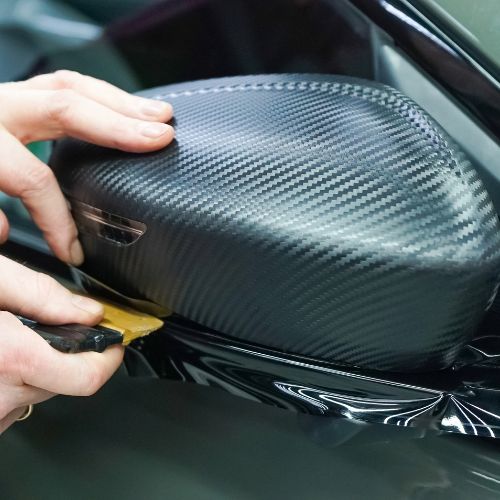
Bold forged carbon was already common in the local product range, but there was less choice in the market for a quieter finish.. We supplied Ghost Carbon Fiber PPF, where the carbon pattern becomes more noticeable as the viewing angle and light change. Our Ghost Carbon Fiber PPF gave the buyer another carbon style without adding another similar woven pattern. The softer visual effect also made it easier to build a separate product tier between plain black PPF and more aggressive forged carbon designs.
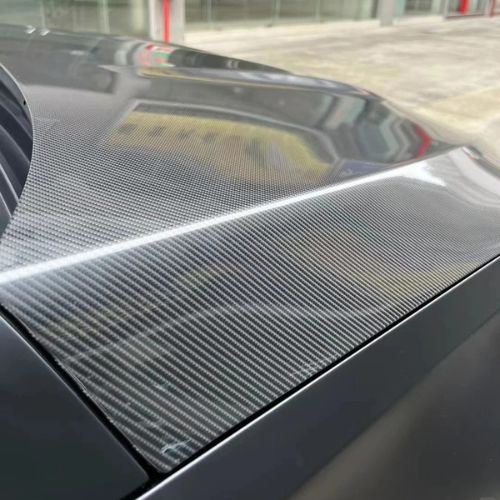
Most of the customer’s orders were for sedans and small SUVs. The main issue was material planning for hoods and roofs, where a seam can easily break the woven carbon pattern. We supplied 1.52 m-wide woven carbon fiber PPF and suggested preparing around 18 m for a sedan and 20 m for a small SUV, plus 2–3 m for trimming and difficult panels. The wider roll allowed more large panels to be wrapped in one piece. For the installer, that meant fewer visible joins, less material lost to recutting, and more predictable film use when quoting full-car jobs.
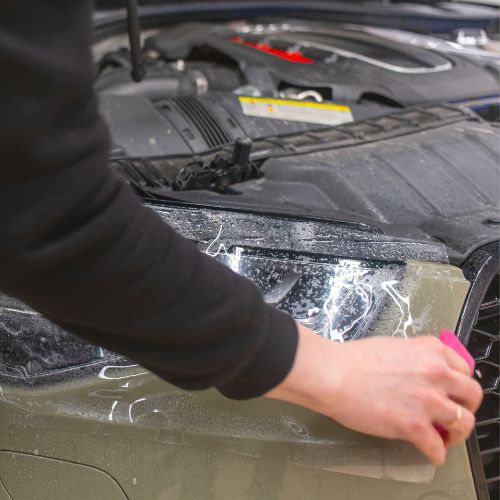
A Jordan customer needed Carbon Fiber PPF for sedan and coupe projects, especially mirrors, bumpers, and fenders. Their previous film often turned pale or distorted after stretching. We supplied Woven Carbon Fiber PPF with over 300% finished-film elongation and over 200% coating elongation. The customer found it easier to work around curved panels, with less film waste and fewer repeated installations.
Our Carbon Fiber PPF MOQ starts at 1 roll for standard SKUs. Regular custom colors start at 5 rolls, while special-formula colors require 20 rolls. A lower starting quantity lets you test wholesale Carbon Fiber PPF in your market before building larger stock. If sales are stable, you can move to bulk Carbon Fiber PPF orders and get better volume pricing. For custom Carbon Fiber PPF, send us your color, pattern, and quantity requirements, and we will confirm the MOQ based on your order.
When your order arrives, you can check the packaging, roll edges, liner, and film surface for any shipping damage. Under ordinary lighting, you can check the carbon pattern, color, and gloss across several carbon fiber PPF rolls from the same shipment. Keeping the lot number with your stock records also makes later reorders and warranty checks easier. If you receive damaged products or packages, please submit photos, batch number, invoice, and a brief description to your sales contact; our team will review and respond within 5-7 working days.
For most projects, you should keep an extra 2–3 meters (6–9 ft) of Carbon Fiber PPF beyond the estimated vehicle coverage. The extra film gives you room for trimming, pattern direction, mirrors, bumpers, and panels that may need to be cut again. If you are working on a sedan that normally uses around 18 m, planning for about 20–21 m is safer.
Yes. You can order woven, forged, and ghost carbon fiber PPF in one wholesale Carbon Fiber PPF order. Standard styles start from 1 roll per SKU, so you do not need to build a large stock of one pattern before testing other options.
For regular stock, woven carbon fiber PPF is the suitable one because you can use the classic pattern across more wrapping projects and keep inventory simpler. Forged carbon fiber PPF works better as a smaller-volume SKU when you want a more distinctive product for higher-priced projects. Ghost Carbon Fiber PPF fits product ranges that need a quieter carbon finish without adding another plain black PPF.
If all three use the same TPU, topcoat, and adhesive system, their basic protection and maintenance are similar. For a new market, you can keep woven as the main stock and add small quantities of forged and ghost; later, adjust orders according to actual turnover.
If your project needs a deeper carbon look and a more noticeable surface finish, choose gloss carbon fiber PPF. But you will need to spend more time on cleaning and surface checks because fingerprints, water spots, and fine scratches are easier to see. If you handle premium custom wrap projects, the stronger visual attraction can make gloss a practical regular SKU. If you want less reflection and lower day-to-day maintenance, choose matte carbon fiber PPF. You need to avoid aggressive polishing or uneven rubbing because these can change the matte finish, so your after-sales team needs to pay attention to maintenance.
If both finishes use the same TPU, topcoat, and adhesive system, your main cost differences come from stock turnover, cleaning work, and after-sales service.