
Quality Assurance Overview
TPU PPF quality depends on the substrate, functional coating, adhesive, curing, and roll conversion. Our inspection approach follows the selected SKU and order requirements, with samples and specifications used as references for color, gloss, thickness, and performance.
Incoming Quality Control - Raw Material Inspection
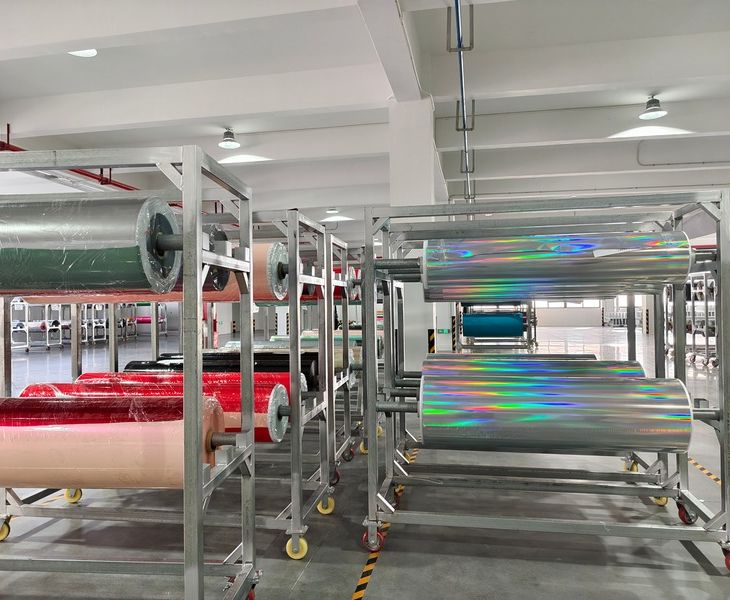
Raw materials and production inputs are checked before use. Materials that do not meet the applicable requirements are held for review or rejected.
 Base Substrate
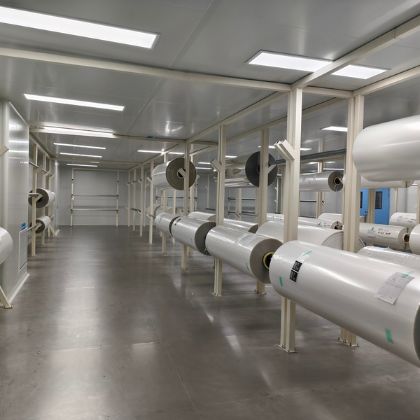
Check the TPU substrate specification, thickness uniformity, surface appearance, and supporting material information. Clear-film assessment also considers clarity and haze where specified.
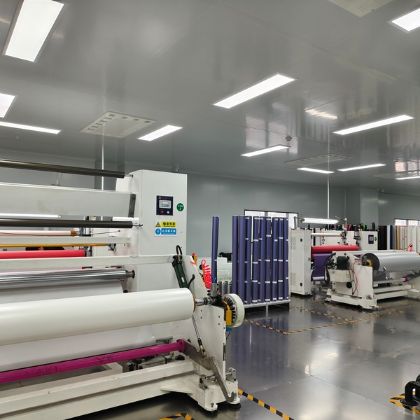 Functional Coatings and Adhesives
Review coating and adhesive specifications, coating uniformity, contamination, and the applicable production controls. Material brand and formulation are confirmed for the selected SKU rather than assumed across the full range.
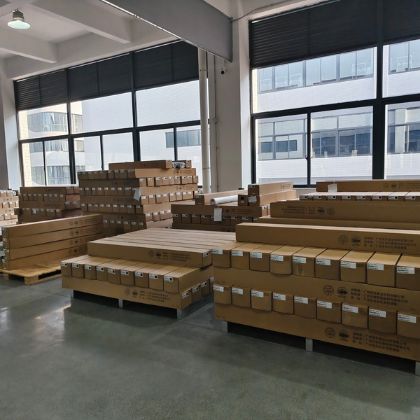 Ancillary Materials
Release liners, cores, labels, and packaging materials are checked for condition, compatibility, and order requirements before use.
In-Process Quality Control
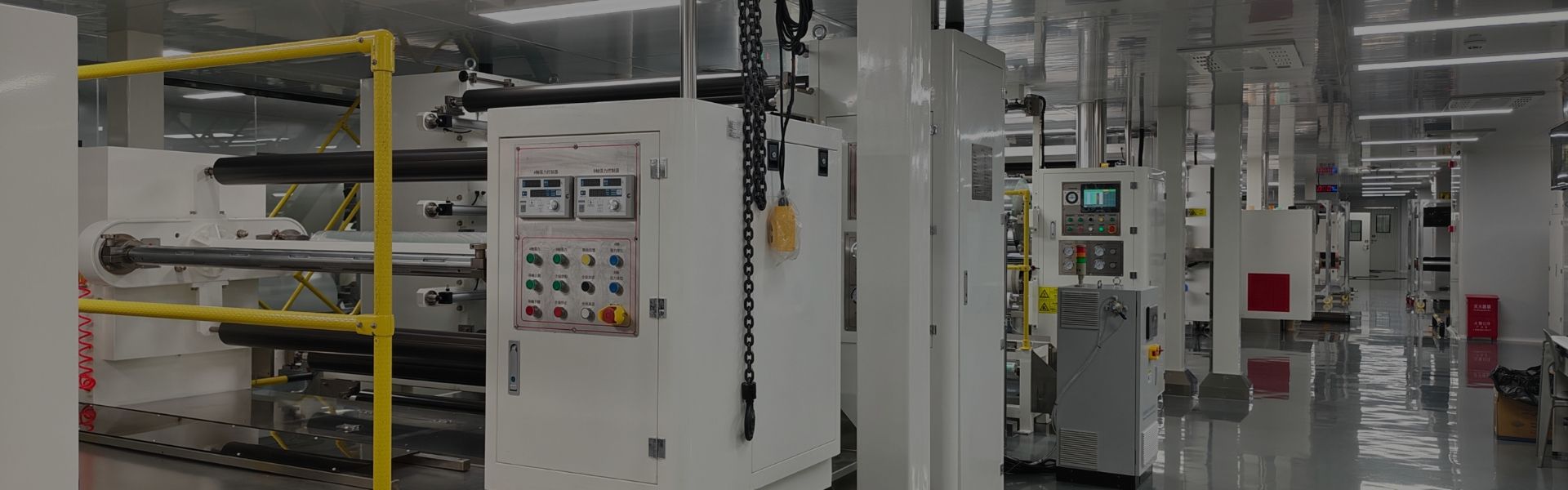
Each production stage is monitored to support consistent quality throughout the manufacturing process.
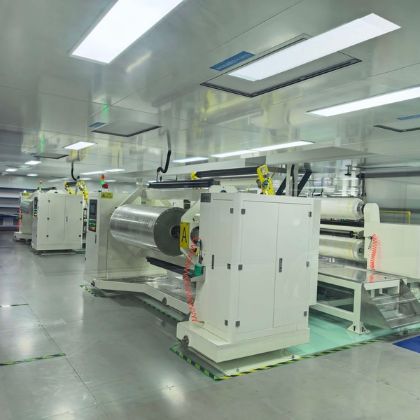 Coating and Curing
Monitor coating uniformity, curing conditions, contamination, pinholes, scratches, and visible surface texture, including orange-peel appearance where relevant.
 Lamination & Adhesion
Check lamination alignment, coating adhesion, liner release, and adhesive behavior against the selected product requirements. Retain batch information to support later traceability.
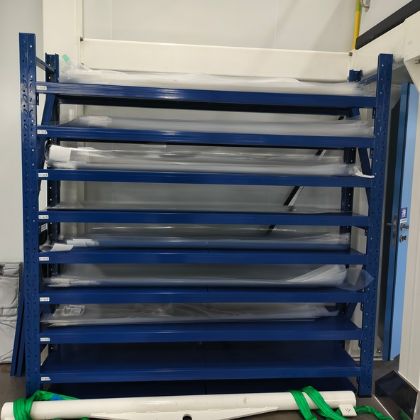 Cutting and Sizing
We verify roll width, length, edge condition, and other dimensional requirements using appropriate measuring and slitting controls.
Final/Outgoing Quality Control
After production, our QC team checks finished rolls against the confirmed specification and order details. Products that pass the applicable checks are released for packaging and shipment.
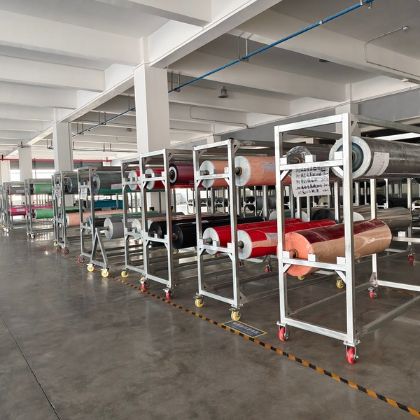 Basic Performance
Check roll width and length, finished-film thickness, surface condition, color, gloss, and packaging. Thickness inspection distinguishes the usable film from removable protective layers and release liners.
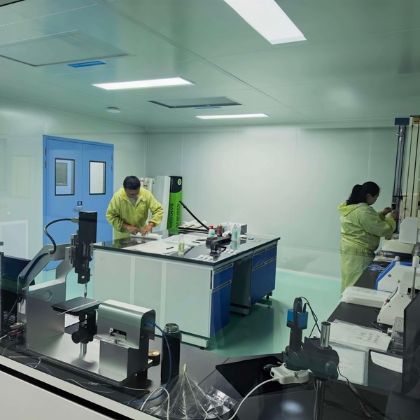 Durability and Safety
Relevant product evaluation may include light-scratch heat recovery, adhesion, tensile properties, yellowing or weathering resistance, stain resistance, and surface wetting behavior. Test methods and acceptance criteria depend on the confirmed SKU; sample reports are reviewed within their stated scope.
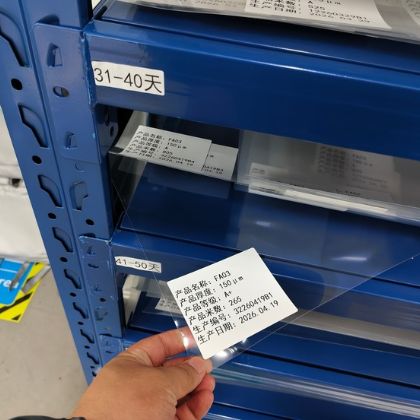 Final Appearance and Labeling
Inspect finished-roll appearance, label accuracy, batch identification, quantity, and protective packaging. Product-specific records and supporting reports help buyers compare the delivered film with the agreed specification.