Deciding whether to stock PPF, Vinyl Wrap, or both directly impacts your shop’s profit margins, technician training, and supply chain complexity. While PPF focuses on long-term surface protection for premium vehicles, Vinyl Wrap caters to high-turnaround aesthetic customization. This guide breaks down the technical, operational, and commercial differences in vinyl wrap vs PPF to help you optimize your product line.
What Is Paint Protection Film (PPF)?
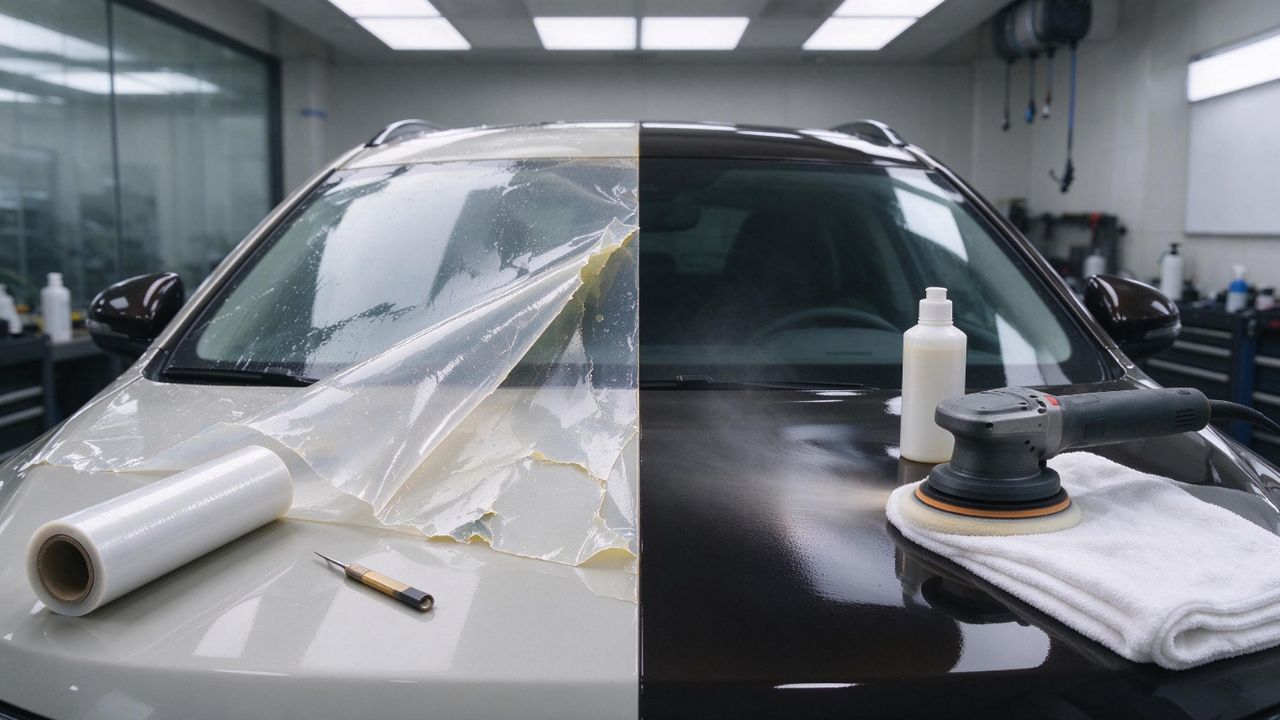
PPF is a multi-layered transparent film comprising a TPU substrate, a functional coating and an adhesive layer. It is applied over the vehicle’s paintwork to protect against stone chips, scratches and chemical corrosion. Its core value lies in protection rather than decoration. Once installed, transparent PPF is designed to preserve the vehicle’s original colour and gloss. This distinguishes PPF fundamentally from decorative films and is an important factor to consider when comparing PPF with vinyl wraps.
What Is Vinyl Wrap?
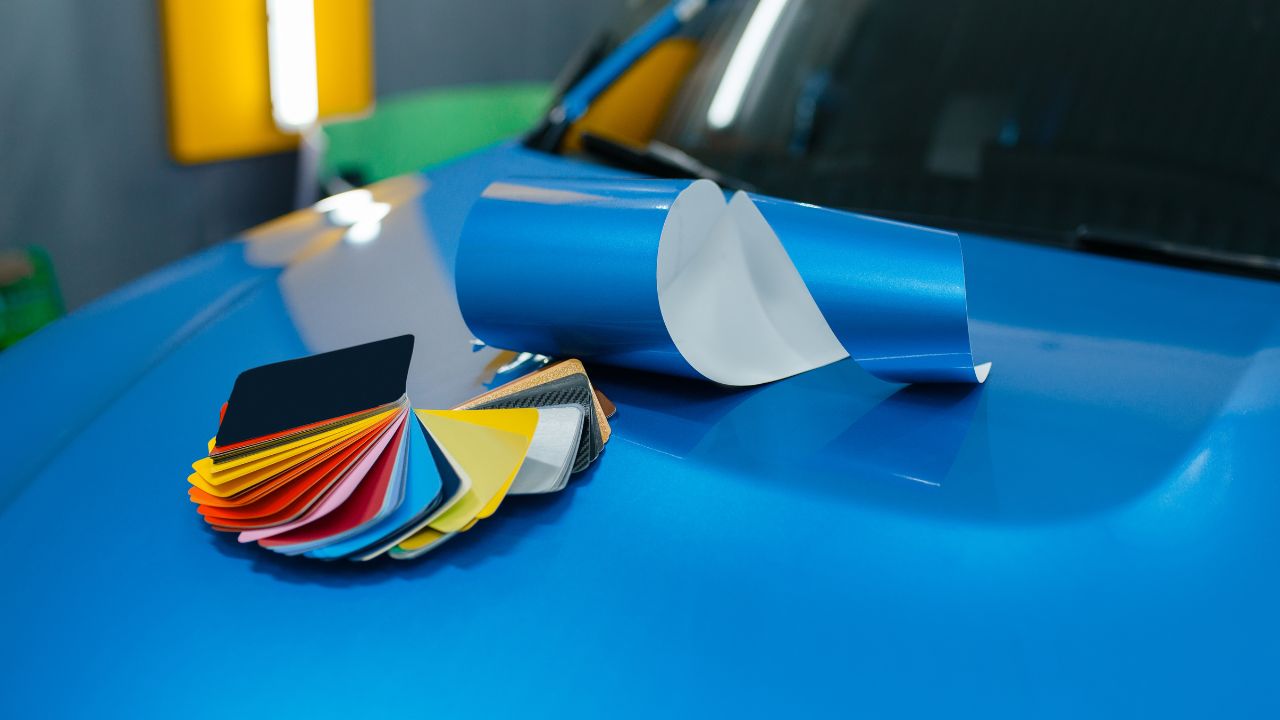
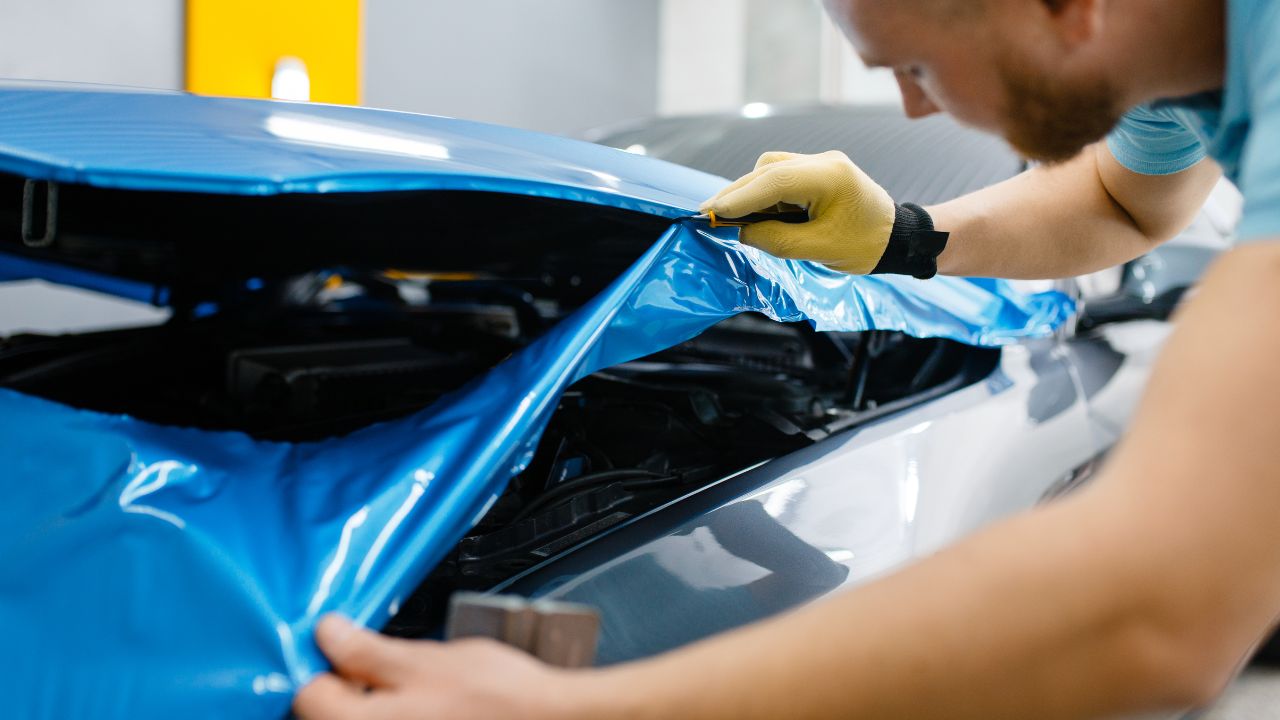
Vinyl wraps are vehicle‑decoration films with a PVC backing. They enable vehicle‑appearance customisation through a wide selection of colours and surface finishes. Unlike PPF, vinyl wraps are primarily intended for aesthetic purposes rather than to provide physical protection. This distinction lies at the heart of the comparison between vinyl and PPF. From a procurement perspective, vinyl wraps offer a wealth of design options, a rapidly evolving product range and affordable prices. Furthermore, their short customer conversion cycle makes them an ideal product for car repair workshops to sell, whilst also helping to expand your SKU portfolio.
PPF vs Vinyl Wrap: Key Differences
| Factor | PPF | Vinyl Wrap |
| Primary Purpose | Paint Protection | Color & Appearance |
| Common Materials | TPU-based | PVC-based |
| Impact Protection | High | Limited |
| Scratch Resistance | High | Moderate |
| Self-Healing | Available in selected products | Generally unavailable |
| Color Options | Growing | Extensive |
| Custom Graphics | Limited / Printable options | Excellent |
| Thickness | Generally thicker | Generally thinner |
| Durability | Generally longer | Generally shorter |
| Installation | More demanding | Generally easier |
| Cost | Higher | Lower |
Applications of PPF and Vinyl Wrap
Paint Protection
The primary function of PPF is to protect the original factory paintwork from damage caused by stone chips, scratches, chemical corrosion and UV rays. High-impact areas such as the bumper and bonnet require additional protection. Once fitted, the film absorbs the force of impact rather than allowing the vehicle’s paintwork to be damaged, thereby helping owners maintain their car’s resale value. For owners of high-end vehicles, safeguarding the value of their asset is the primary reason for purchase, which also makes PPF a high-margin, premium product within the range.
Color Change and Styling
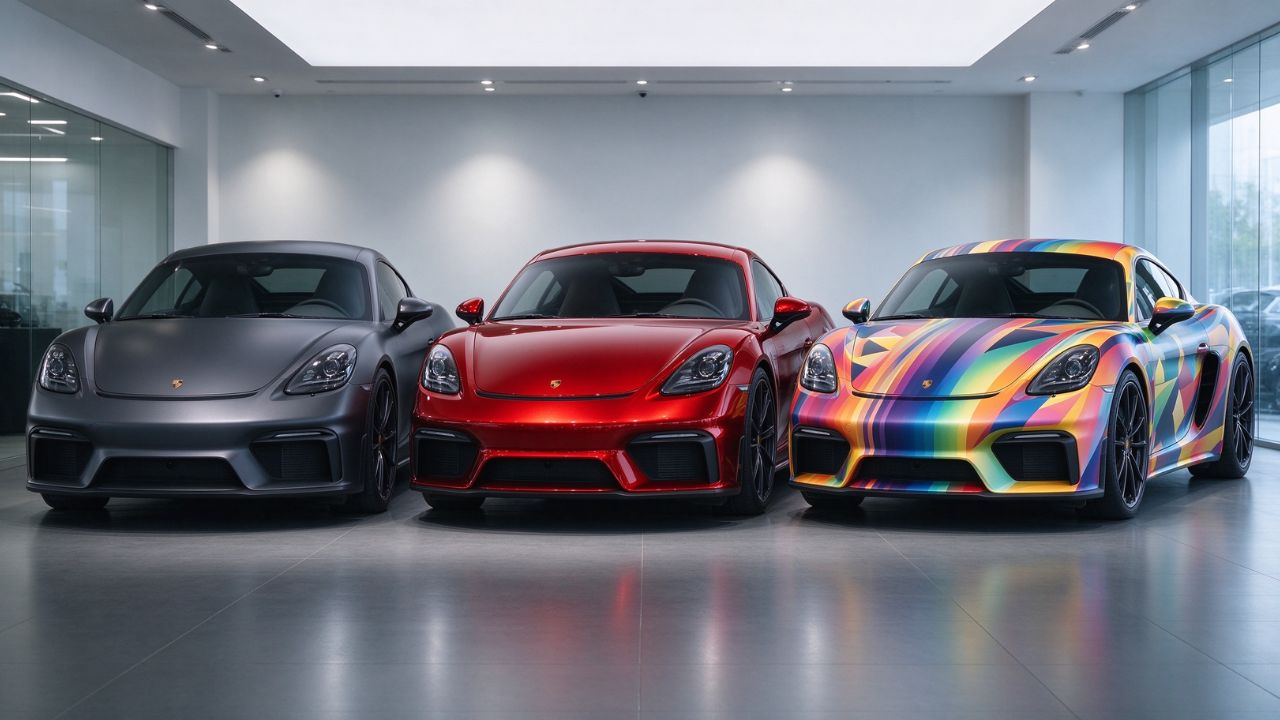
The core value of vinyl wraps lies in their ability to change the colour of a vehicle’s bodywork or add personalised designs, offering a wide range of options from gloss to matt finishes and from solid colours to printed patterns. This instant visual effect is highly favoured by customers seeking to customise their vehicle’s appearance. When comparing the costs of PPF and vinyl wraps, buyers should also consider the products’ lifespan, installation requirements and the different types of customers they attract.
When sourcing these products, you will face a wider range of SKUs and a faster pace of product updates; therefore, you will need to establish a flexible colour management system to meet market demand.
Color PPF
Coloured PPF film combines the protective properties of standard automotive paint protection film with the versatile styling advantages of vinyl wraps. It uses a coloured TPU substrate in place of transparent TPU, integrating impact resistance, self-healing and colour-changing capabilities into a single product. With a thickness of 7.5 mils and a service life of 5 to 10 years, color PPF generally provides stronger protection and longer-term durability than conventional PVC color-changing films.
This product meets the market’s demand for integrated protection and personalised colour customisation, delivering multiple functions in a single application. Compared to single-function films, it commands a higher average transaction value, making it an ideal solution for entering the high-end automotive personalisation market.
Buying Considerations for PPF and Vinyl Wrap
Material and Product Specifications
Since PPF and vinyl films follow different material‑selection criteria, products marketed under names such as “vinyl PPF” must be evaluated according to their actual material composition. For PPF, the focus is the type of TPU, the functionality of the top coat and the source of the adhesive. Only products that combine aliphatic TPU with a stable top coat are worthy of long-term partnership.
For vinyl films, on the other hand, the focus is the weather resistance, colour fastness and adhesive performance of the PVC substrate. A wide range of colour options and consistency between colour samples and the actual product are equally crucial. Understanding the grade of raw materials used by the supplier and the testing standards applied will help you determine whether a product is worth purchasing far more effectively than simply referring to marketing materials.
Performance and Quality Consistency
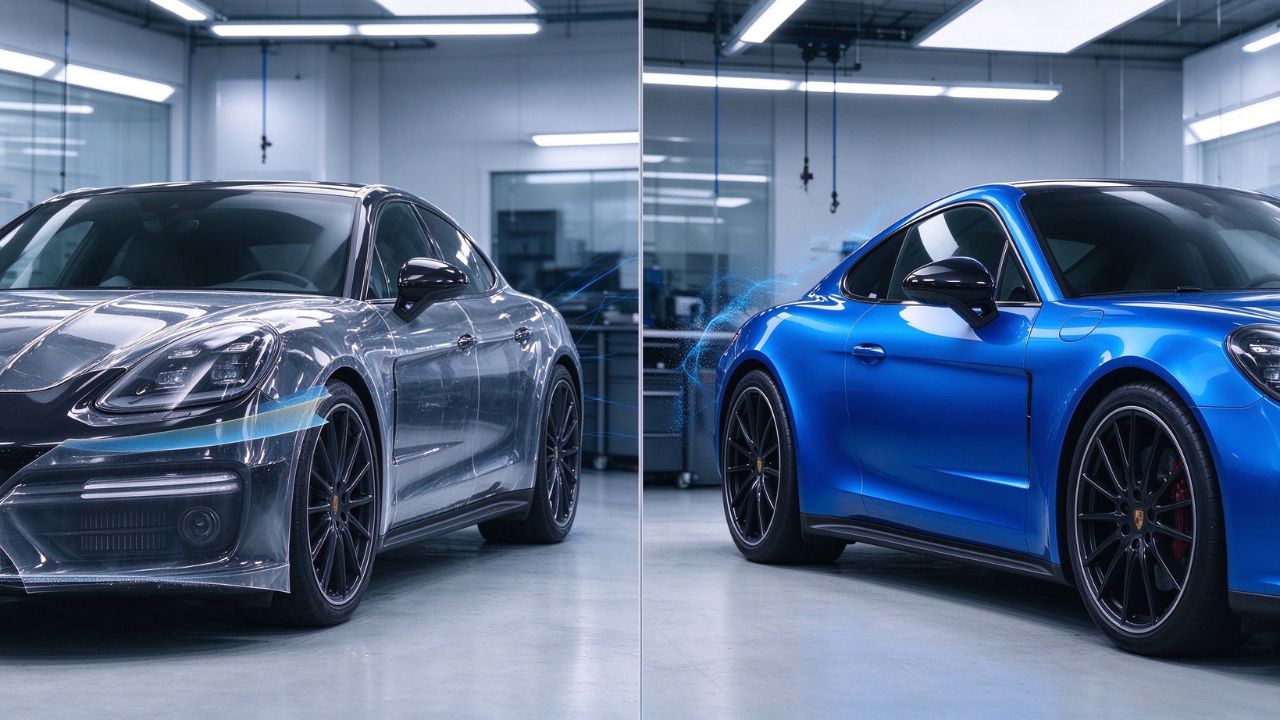
The differences in performance are primarily evident in terms of service life and protective stability. Depending on the product grade and application conditions, PPF commonly has a longer service life than conventional vinyl wrap. High-quality PPF may last around 5-10 years, while many conventional vinyl films are designed for approximately 3-5 years.
More importantly, batch consistency is crucial. Consistency in colour, thickness and adhesive performance across production batches directly impacts stock management and overall customer confidence.
You should require suppliers to provide factory inspection reports for each batch and include batch sampling standards in the procurement contract; this is an effective way to minimise the risk of quality fluctuations.
Price, MOQ, and Supply Capability
The price per roll of PPF is typically higher than that of vinyl film; therefore, when comparing the costs of PPF and vinyl film, one should not focus solely on the price per roll, but should also take into account service life, installation requirements, warranty coverage and potential product wastage. Vinyl film offers a wide range of colours and a large selection of SKUs, and its flexibility of low minimum order quantities is a key factor in attracting small and medium-sized customers.
When evaluating suppliers, priority should be given to their monthly production capacity, stock turnover efficiency and the responsiveness of their customisation services. A stable supply chain offers greater long-term value than a one-off low price. Suppliers capable of offering both product types alongside OEM services should be prioritised, as this helps to reduce supply chain management costs.
FAQs
How Does PPF Installation Differ From Vinyl Wrap Installation?
PPF installation places higher demands on technicians, as it requires handling complex curved surfaces, stretching and edge finishing, and takes longer to complete. Vinyl wrapping is relatively straightforward to learn, but it still requires a certain level of technical skill when it comes to bubble control and seam finishing. If you supply both product lines, we recommend adopting differentiated training guidelines. PPF training should emphasize professional skills for complex curved surface installation, while vinyl wrap training focuses on precise pattern matching and visual alignment.
What Causes PPF or Vinyl Wrap to Fail Prematurely?
The main causes of PPF failure in substandard TPU are yellowing, embrittlement, delamination of the top coat, or aging of the adhesive layer. Vinyl wrap failure commonly manifests as discolouration, cracking, adhesive residue, or edge curling due to plasticiser migration. Regardless of the product type, use in unclean installation environments or under extreme weather conditions will accelerate deterioration. When purchasing, request that suppliers provide accelerated aging test data, as this is an effective way to predict the product’s service life.
How Can PPF or Vinyl Wrap Installation Quality Be Checked?
You should pay particular attention to checking that the edges fit tightly without any lifting, that the surface is free from air bubbles or embedded dust particles, and that the seams are aligned and aesthetically pleasing. For PPF, you must also confirm that the self-healing function responds correctly when heated. For vinyl wraps, you should check the naturalness of colour transitions and pattern joins. Inspecting the finish with a professional light source at an angle before delivery is an effective way of detecting minor imperfections.
What Should Be Included in a PPF or Vinyl Wrap Warranty?
Warranty documents should explicitly cover manufacturing defects such as yellowing, delamination, blistering and fading, while also specifying the warranty period and exclusions. Clearly defining the boundaries of liability between installation issues and material defects can effectively help you avoid subsequent disputes. From a procurement standpoint, detailed and clearly defined supplier warranty terms deliver broader coverage. This significantly enhances your credibility when communicating service guarantees to downstream customers.
How Can Installation Errors Affect PPF Warranty Claims?
Improper installation is the most common reason for warranty claims being rejected. Problems including surface whitening from over‑stretching the film, edge curling caused by inadequate edge sealing, and incorrect dimensions resulting from inaccurate cutting are considered installation‑related faults, not material defects. When explaining warranty‑related terms to downstream customers, you should draw a clear distinction between material‑related faults and installation‑caused issues. This prevents end‑users from automatically blaming product quality once problems occur.
Can PPF or Vinyl Wrap Be Removed Without Damaging the Original Paint?
High‑quality PPF and vinyl wraps feature a removable adhesive system. When installed by a qualified technician and removed within their expected service life, they leave no adhesive residue on the paintwork and cause no damage to the clear coat. However, with inferior products, aging of the adhesive backing or excessive application time may result in adhesive residue or even paint flaking upon removal. When purchasing, ensure that the adhesive system provided by the supplier is certified as removable; this is a key factor in assessing the product’s long-term safety.
Final Thoughts
Looking for a reliable PPF partner for your upcoming projects? We deliver consistent film quality, flexible customisation, as well as OEM and private‑label solutions to meet diverse business requirements. Get in touch to discuss specifications, samples and potential cooperation.