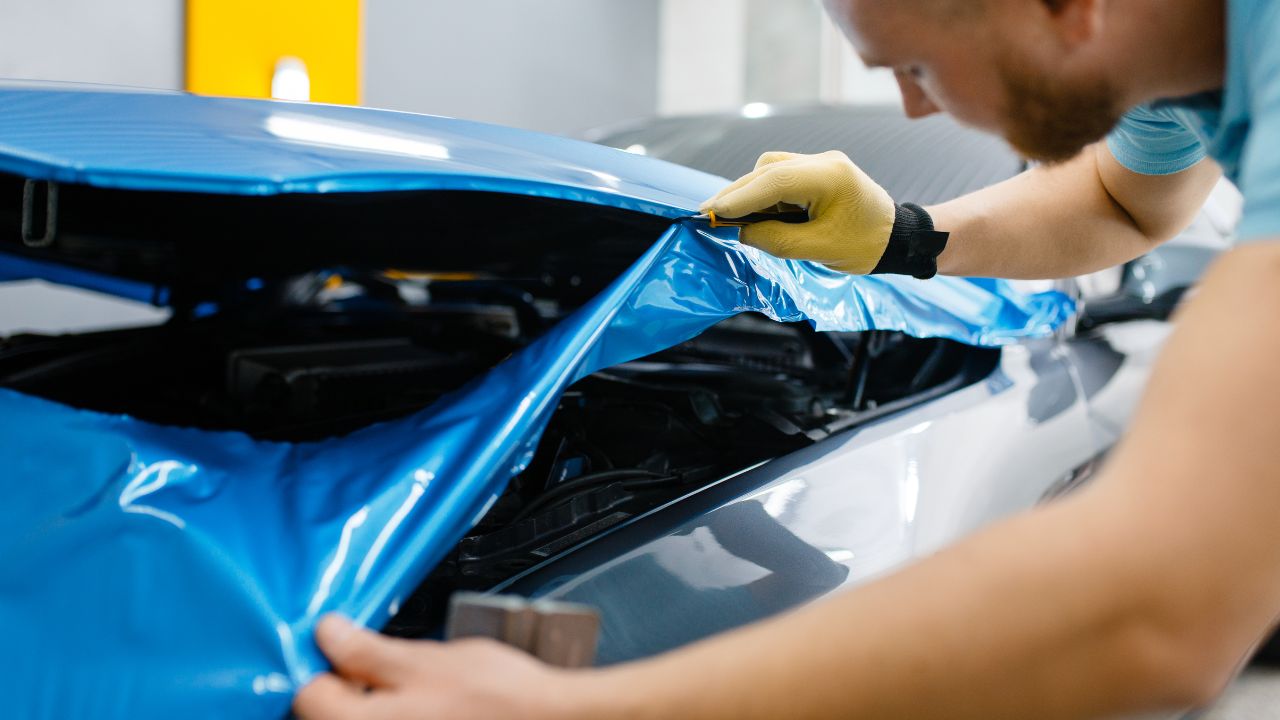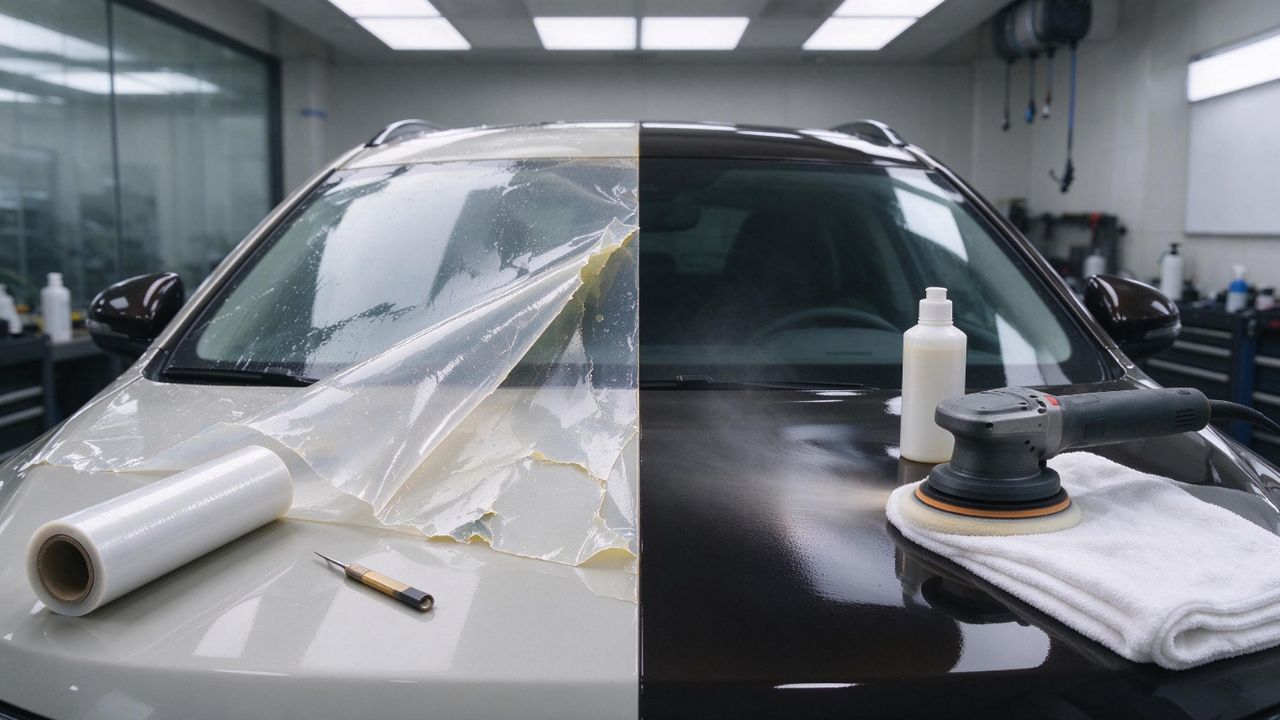

Choosing the right paint protection film is critical for your business. The wrong material, inconsistent quality, or unreliable supply can lead to installation issues, customer complaints, and lost sales. Understanding the main PPF types helps you select products that match your market and business needs.
What Is a Paint Protection Film?
Paint protection film (PPF) is a protective film applied to automotive painted surfaces to help reduce damage from stone chips, minor scratches, stains, and environmental contaminants. Modern PPF typically uses a multilayer construction that may include a protective top coat, polymer base layer, and adhesive layer. Depending on the product formulation, some films also offer self-healing, UV resistance, and enhanced weathering performance.
Main Types of Paint Protection Film
TPU Paint Protection Film
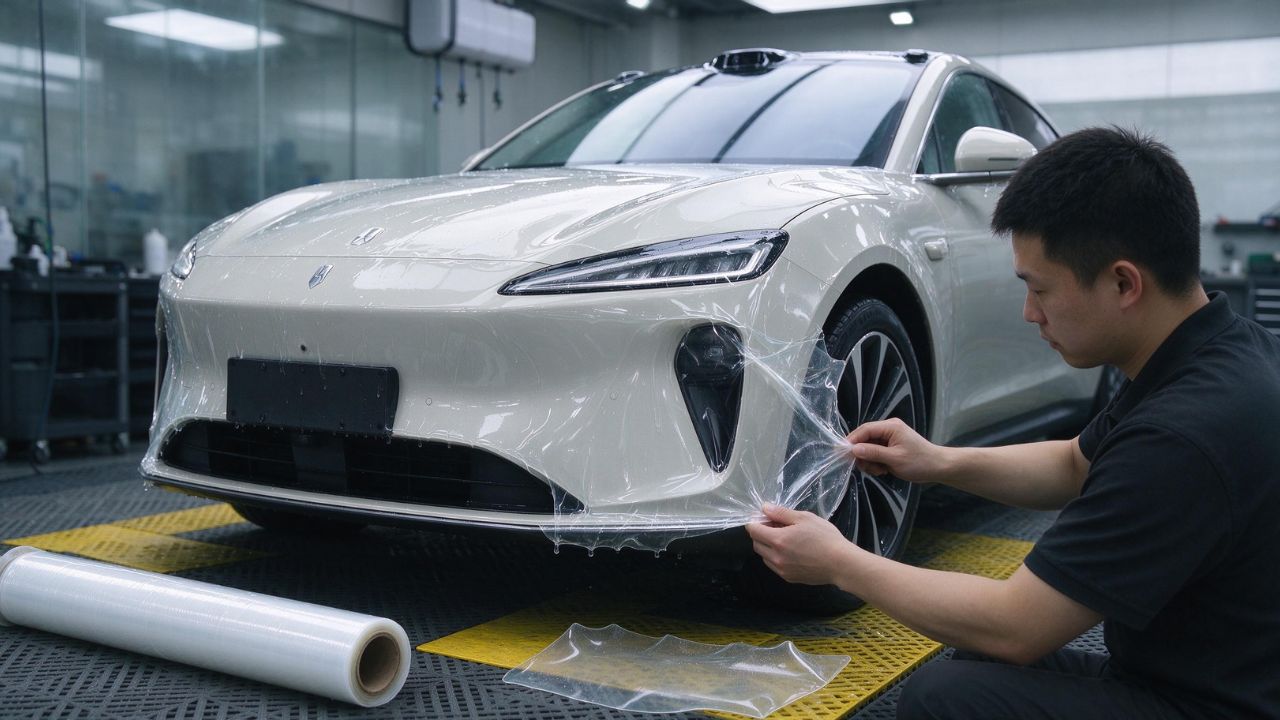
TPU is widely used in premium PPF products because of its flexibility, impact resistance, optical clarity, and durability. Manufactured with high-grade elastomeric polymers, TPU conforms smoothly to complex contours and features a heat-activated self-healing top coat that automatically repairs light surface scratches.
Depending on the product formulation, construction, and warranty terms, high-quality TPU PPF can offer several years of service life, with some products backed by warranties of up to 10 years.
TPH Paint Protection Film
TPH is a hybrid polymer used in certain mid-range PPF products. It is marketed as a cost-effective alternative to TPU. It offers better flexibility than PVC yet has higher overall hardness. This makes it harder to conform to complex vehicle contours. Its flexibility, durability, optical clarity, and self-healing performance vary by formulation and manufacturer. Many TPH films are designed for shorter service lives compared with premium TPU films. Actual durability depends on material construction, climate conditions, and the manufacturer’s warranty.
Lower-grade TPH carries higher risks of adhesive residue and difficult removal after long-term use. Peeling these films may damage the clear coat and lead to costly repairs. Buyers should verify adhesive performance and removal test results before placing orders. Recommend TPH cautiously unless customers have strict budget limits and only need short-term paint protection.
Clear Paint Protection Film
Clear PPF is designed to protect the original paint without significantly changing the vehicle’s appearance. It is commonly used to help protect high-impact areas such as bumpers, hoods, fenders, and mirrors from stone chips, minor scratches, and environmental contaminants. It is the purest choice for protecting the factory paint finish and enjoys an extremely high installation rate in the high-end and new energy vehicle markets. You can position clear PPF as the “foundation” of your product line. It serves as the most reliable starting point for converting entry-level luxury customers and is the cornerstone for building trust.
Color Paint Protection Film
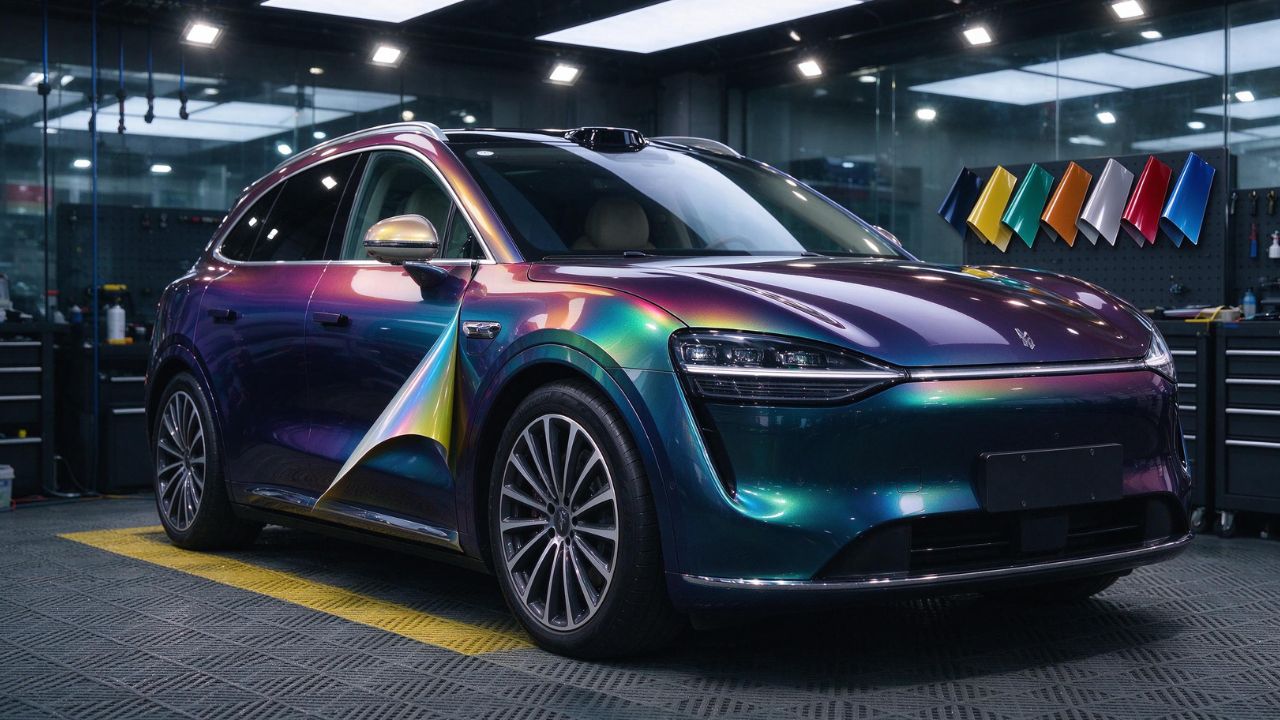
These products combine OEM-level protection with personalized color customization and have become a major growth driver in the market in recent years. Colored PPF uses a colored TPU substrate with a thickness of 8 mil, making it thicker and more durable than traditional color-changing films. Depending on the product and warranty terms, color PPF can provide several years of protection while combining color customization with paint protection.
This opens the door to the high-end customization market for you. When promoting these products to customization shops and dealers, you can emphasize that they “combine color customization and protection in one step.” This allows distributors and styling shops to offer a higher-value combination of customization and paint protection.
Textured and Specialty PPF
Built on a durable TPU base, specialty PPF combines core performance features—such as scratch resistance, self-healing, and UV blocking—with unique visual finishes like carbon fiber, forged carbon, and camouflage.
These products can help you expand the product portfolio and provide additional options for higher-value customization projects. This often results in a higher brand premium and effectively boosts average gross profit per sale.
PPF Finishes Explained
Gloss PPF
This is the most classic and widely used PPF finish, designed to achieve a nearly “invisible” installation effect. The high-gloss film surface fully preserves—and even slightly enhances—the gloss and color depth of the original factory paint. This is the most widely accepted and easiest-to-apply option, and it’s also the top choice for most car owners when they first try PPF.
Matte PPF
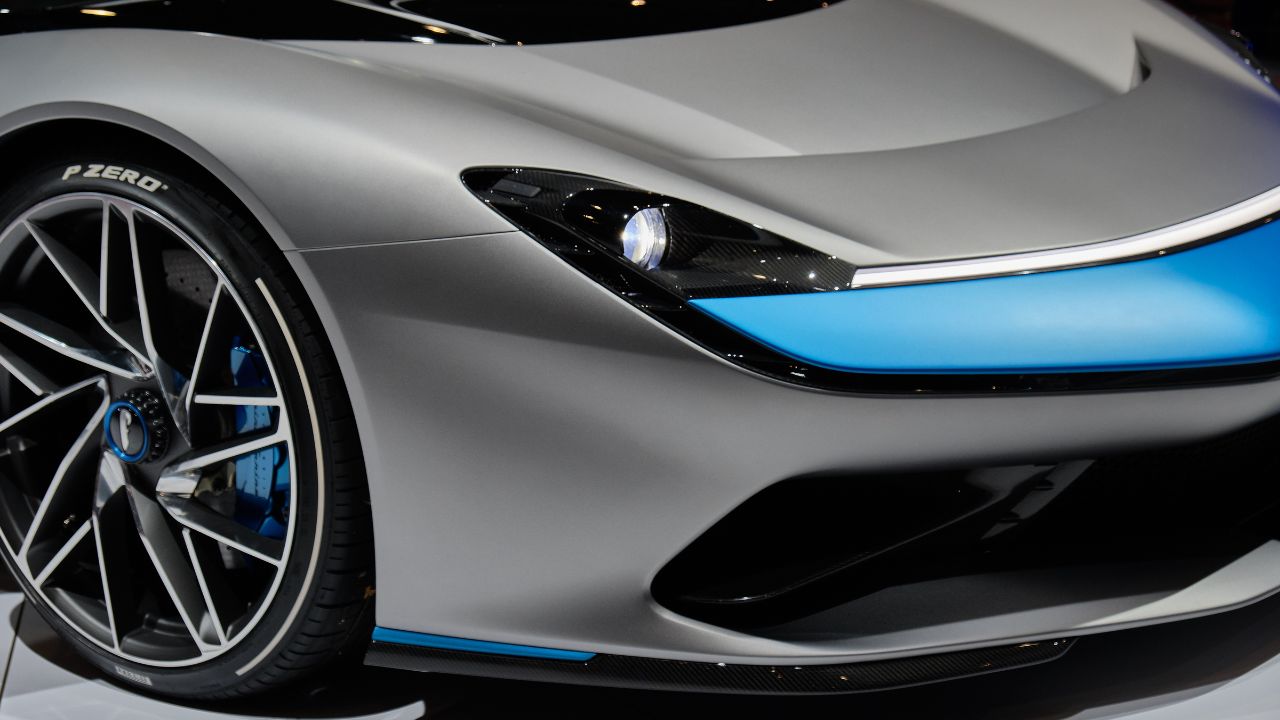
Its core value lies in transforming any glossy car paintwork into a high-end matt finish, achieving a complete stylistic transformation. This highly distinctive visual effect will effectively attract high-end car owners seeking a unique appearance to visit your workshop.
It should be noted that matt paintwork is more prone to showing fingerprints and smudges, and requires maintenance using specialised cleaning products.
Satin PPF
Satin PPF provides a middle ground between the reflective appearance of gloss film and the low-reflective appearance of matte film. A satin finish is easier to maintain than a matt finish, yet appears more upmarket than a high-gloss finish, making it particularly popular amongst owners of modern luxury cars such as Tesla and Porsche.
Satin PPF helps you avoid the fierce price competition faced by glossy films, while effectively enhancing your workshop’s professional image and increasing the average profit per transaction.
Clear PPF vs Color PPF
| Factor | Clear PPF | Color PPF |
| Purpose | Protect the original paint | Change color and protect the paint |
| Appearance | Keeps the original look | Offers new colors and finishes |
| Main Value | Paint protection | Styling + paint protection |
| Best For | Paint protection applications | Vehicle customization |
Choosing the Right PPF Type for Different Applications
Protection and Durability
Protection and durability are the core values of PPF. The material directly determines its service life: a TPU substrate can provide effective protection for 5 to 10 years, while a TPH substrate will begin to yellow and become brittle after just 2 to 4 years.
When making a purchasing decision, please pay close attention to film thickness, coating technology and raw material suppliers, such as Lubrizol and BASF. These factors reliably ensure long-term durability.
Installation and Removal
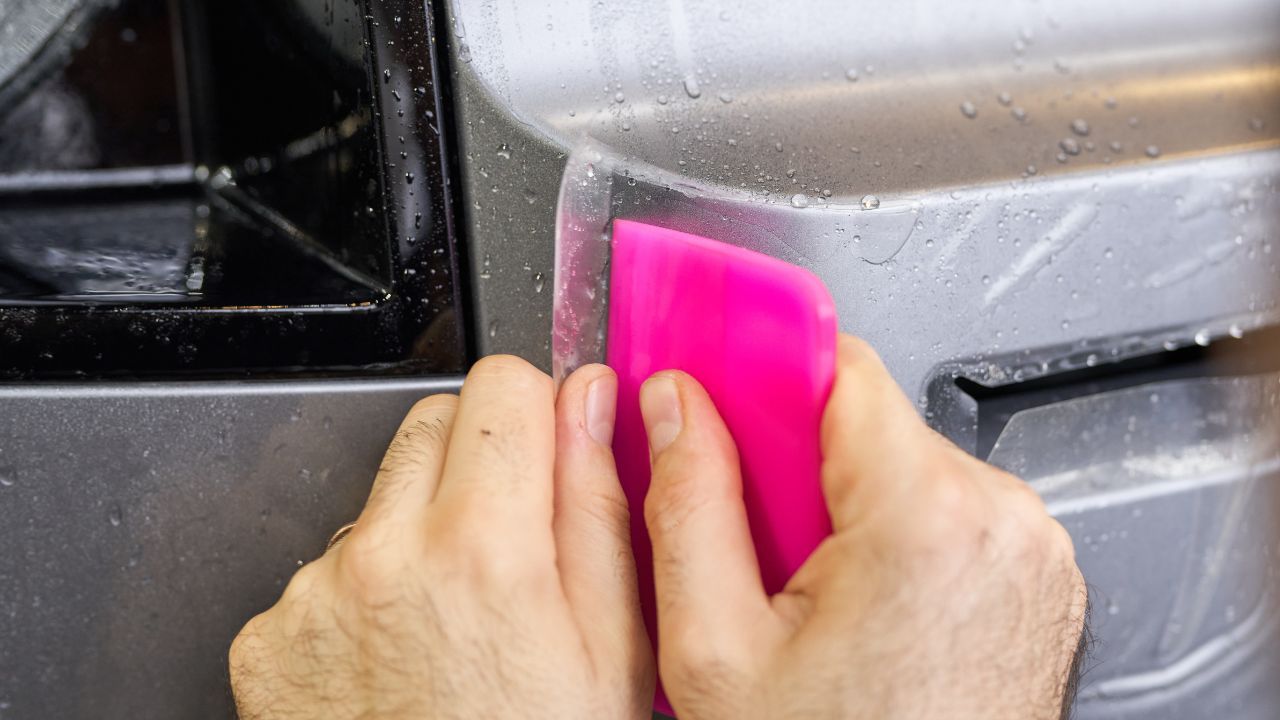
Installation and removal have a direct impact on installation efficiency and post-installation risks. TPU offers excellent elasticity and a higher tolerance for installation errors. Inferior films have limited stretchability, are prone to leaving adhesive marks, and may even damage the clear coat during removal. Choosing products with low initial tack and a peelable adhesive system can significantly reduce installation difficulties and minimise the risk of future disputes.
Self-Healing Performance
Self-healing is a technical advantage that sets TPU apart from other materials, but it should be viewed with a degree of scepticism. This feature is primarily designed to repair minor spiral-shaped scratches caused by car washes. It is by no means a panacea. There are significant differences in self-healing capabilities between different brands. Poor-quality films may become excessively soft in hot weather, leading to an orange-peel effect. You should take this factor into account when selecting a product.
Film Thickness
Film thickness is a key physical indicator for measuring the protective performance of PPF. The thickness of mainstream products typically ranges from 6.5 to 8.5 mils. For every 1 mil increase in thickness, stone-chip resistance improves significantly. However, an excessively thick film makes installation more difficult and reduces the margin for error, particularly when applying the film to complex curved surfaces. When purchasing, a comprehensive evaluation should be conducted based on the vehicle models commonly found in the target market and local installation standards. Products with a thickness of 8.0 mil or higher are better suited for the high-end SUV and supercar markets.
Supplier Reliability and Quality Assurance

Supplier reliability is the most fundamental consideration in B2B procurement. It is essential to verify whether the factory has stable production capacity and whether the quality of each batch of products is consistent. Confirm whether they provide third-party test reports (such as SGS RoHS certification) and a formal written quality assurance certificate. Look for proven examples of long-term overseas partnerships.
FAQs
What PPF Specifications Should Distributors Include in Their Product Catalog?
The product catalog should include film thickness, material, finish types, warranty periods, and raw material sources. Common PPF thicknesses range from around 6.5 to 10 mil, depending on the product and application. The industry-standard roll size is 1.52 meters by 15 meters. This must be clearly labeled to enable customers to select products accurately. Separate different finishes such as glossy, matte, and satin with recommended usage scenarios. This helps end users quickly select suitable options according to their vehicle model and individual demands.
What PPF Roll Sizes Are Commonly Used for Professional Installers?
A width of 1.52 meters is the global industry standard, fitting full-size vehicle body panels. A 1.52 × 15 m roll provides 22.8 m² of film and is commonly used for professional vehicle applications. Actual coverage depends on the vehicle size, installation area, and cutting method. Some suppliers provide wider roll options, including 1.83 meters. This reduces seams on larger vehicles such as SUVs. It improves installation efficiency and visual results. When purchasing, you should assess your material requirements by considering both the target vehicle’s design and the installation method.
How Should Distributors Manage PPF Inventory Across Different Colors and Finishes?
Use color swatches, installation renderings, and limited samples to test market demand at the stocking stage. Collect feedback from installers and avoid building up large inventories right away. Inventory management should focus on batch traceability and the first-in, first-out principle. This prevents neglected stock and simplifies after-sales handling. Categorizing your product lines into tiers such as entry-level, mainstream, and high-end will help you clearly define different price points and profit margins.
How Can PPF Buyers Verify the Material and Product Specifications?
A physical tensile-and-recovery test distinguishes genuine TPU from TPH/PVC counterfeits. Additionally, require suppliers to provide technical data sheets (TDS) and third-party test reports—including SGS RoHS and QUV accelerated aging data—to verify long-term performance and yellowing resistance.
What Should OEM Buyers Prepare Before Requesting Custom PPF?
Before placing an OEM order, you need to clarify the product model, thickness range, warranty policy, and market positioning. Provide brand documentation outlining design specifications. These include the logo colour palette, brand naming system, and packaging requirements such as artwork for outer boxes, inner bags, and backing logos. At the same time, confirm the factory’s sample process and minimum order quantity. A clear description of your requirements can significantly improve the efficiency and accuracy of your customization.
Final Thoughts
Choosing the right PPF requires more than comparing film types. Material construction, performance data, warranty terms, and supply capabilities all matter. Request our complete product specifications and warranty guide to evaluate suitable PPF solutions for your market.