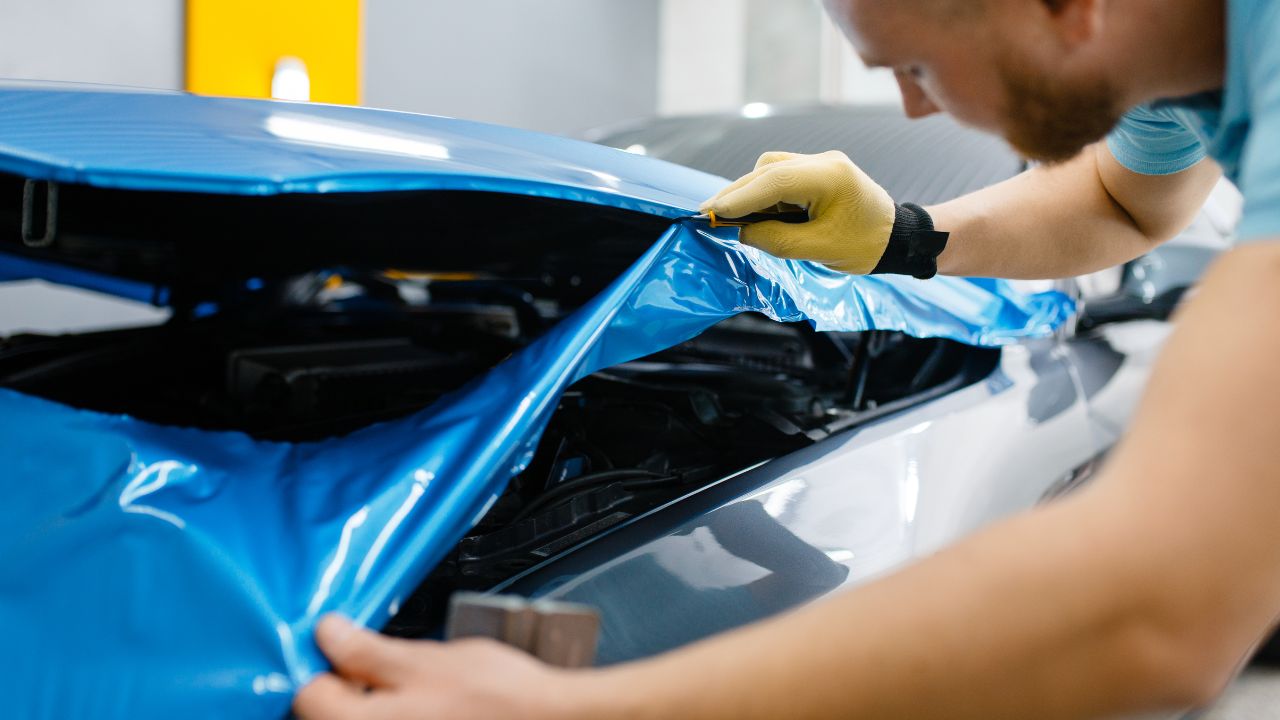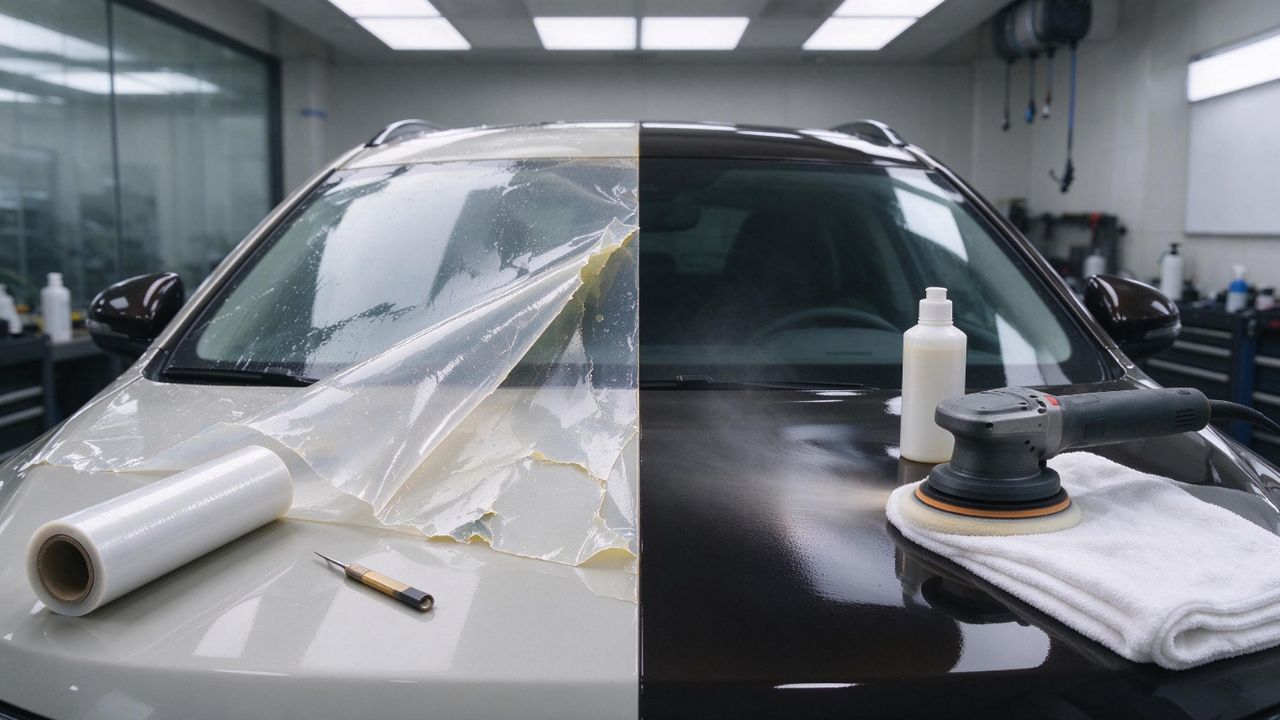

Choosing the right PPF thickness is not simply about choosing a thicker film. Thickness affects protection, flexibility, installation difficulty, and material waste, which can impact project costs. This guide covers common PPF thicknesses, their performance differences, and how to select the right thickness for your project.
Common PPF Thicknesses
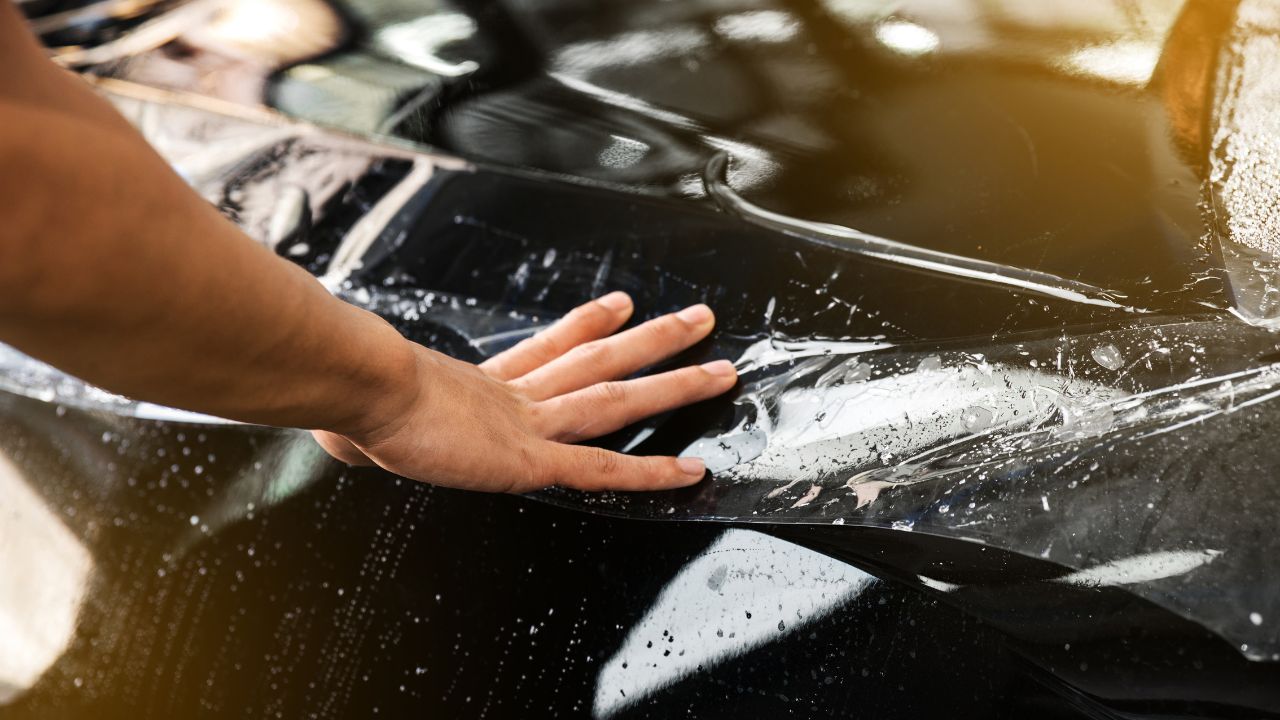
PPF thickness is commonly specified in mils, while microns (μm) and millimeters (mm) are also used in technical specifications. Understanding these units helps you compare film specifications accurately instead of relying on thickness numbers alone.
| PPF Thickness | Microns (μm) | Millimeters (mm) |
| 6.5 mil | 165.1 μm | 0.1651 mm |
| 7.5 mil | 190.5 μm | 0.1905 mm |
| 8.5 mil | 215.9 μm | 0.2159 mm |
| 9.5 mil | 241.3 μm | 0.2413 mm |
| 10 mil | 254 μm | 0.254 mm |
You will commonly see PPF products in thicknesses such as 6.5, 7.5, 8.5, 9.5, and 10 mil. Thinner films generally offer easier handling and conformability, while thicker films provide a greater physical barrier against impact.
PPF is a multi-layer product rather than a single TPU sheet. A typical structure may include a topcoat, TPU layer, adhesive layer, and release liner. However, suppliers may use different measurement methods or definitions when reporting PPF film thickness.
This directly affects how you compare products. If suppliers measure total thickness differently, one ‘8 mil PPF’ isn’t necessarily the same as another. Before comparing options, make sure to check whether their specs refer to total film thickness or just a single layer, and what’s actually included in that structure.
How Does Thickness Affect PPF Performance
PPF thickness affects more than the level of paint protection you get. It can also change how easily the film can be stretched, conforms to body panels, and performs during installation. The sections below explain how thickness affects each part of your PPF application.
Protection and Impact Resistance
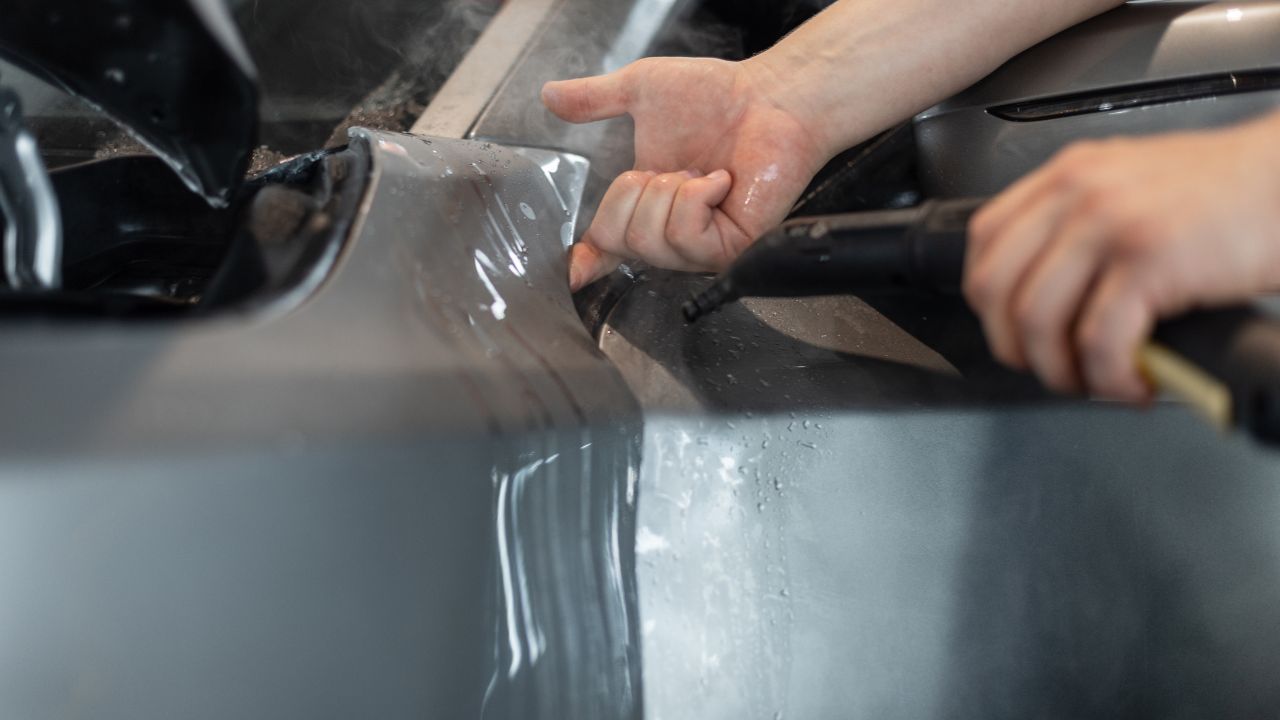
A thicker PPF can be useful on areas exposed to more rock chips, road debris, minor impacts, and abrasion, like the front bumper, hood, fenders, and side mirrors. The added material can help absorb and distribute external forces before they reach the paint, making higher thickness useful where the film faces frequent physical contact.
Thicker PPF isn’t always better. If you use a film that’s too thick and stiff on tricky curves, poor installation will actually ruin your protection. A smarter approach is to match the film thickness to the splash zone and impact risk of each area, rather than using the thickest option across the entire vehicle.
Flexibility and Conformability
PPF thickness can affect how easily the film stretches and conforms to the vehicle surface. Thinner films generally have less resistance during stretching, making them easier to position and adjust. Thicker films can require more force and control during stretching, so their flexibility and conformability become more important when you evaluate the product.
Installation Difficulty
The practical effect of thickness becomes more obvious during installation. A thicker film may require more time to complete difficult sections, particularly when you need precise edge wrapping or multiple adjustments before the film conforms correctly to the surface. This can reduce your installation efficiency and increase labor hours per vehicle, especially across high-volume projects.
Material Waste
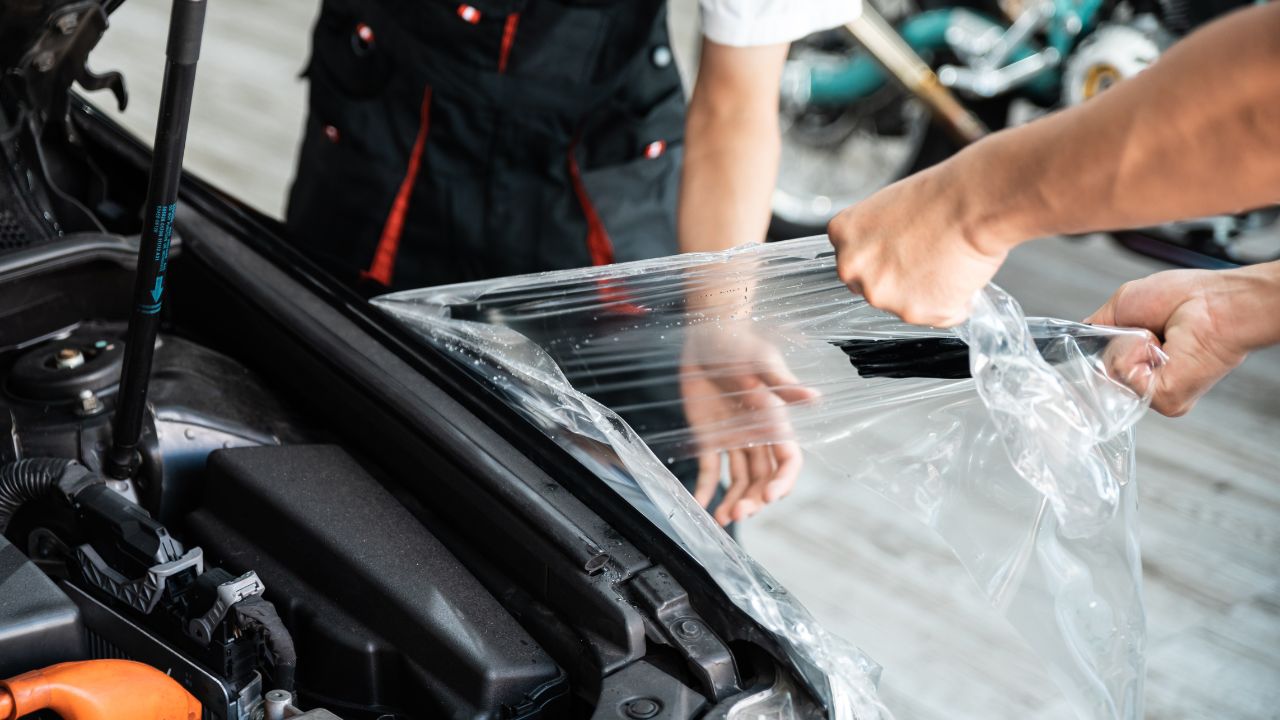
Thickness itself doesn’t drive installation waste, even though thicker films weigh more per square foot. With the same roll length and width, a thicker film contains more material in the same roll dimensions, but it still covers the same amount of body panels.
But thicker film doesn’t automatically mean higher scrap rates. For instance, a flexible 10-mil PPF with accurate pre-cut patterns and good stretch can actually be easier to install—and produce less waste—than an unstable, hard-to-control 8-mil film.
Poorly fitting templates or over-stretching will ruin a thin film just as fast, forcing a complete recut. For buyers, the real metric isn’t the mil count, but the usable yield you get from every roll.
Durability and Service Life
A thicker PPF can provide more material to withstand repeated contact, abrasion, and minor impacts over time. However, the relationship between thickness and service life is not linear. A 10-mil film does not automatically last longer than an 8-mil film simply because it is thicker. For your projects, focus on whether the added thickness provides enough practical benefit to justify the higher material and installation requirements.
How to Choose the Right PPF Thickness for Your Project
Choosing PPF thickness should come down to your actual project requirements, not simply the highest mil rating available. Start with the protection level required, then consider body shape, installation volume, and total project cost.
This helps you choose a specification that provides enough protection without creating unnecessary installation or material costs.
Match Thickness to the Protection Level
The best thickness depends on what your project requires, not just the vehicle type. For general full-vehicle protection, you can start with 8.5–9.5 mil. If your project faces higher impact exposure, 10 mil can be considered when the installation process can handle the added thickness. For highly contoured vehicles or projects requiring extensive forming, 6.5–7.5 mil may offer easier handling.
PPF Thickness for Different Vehicle Areas
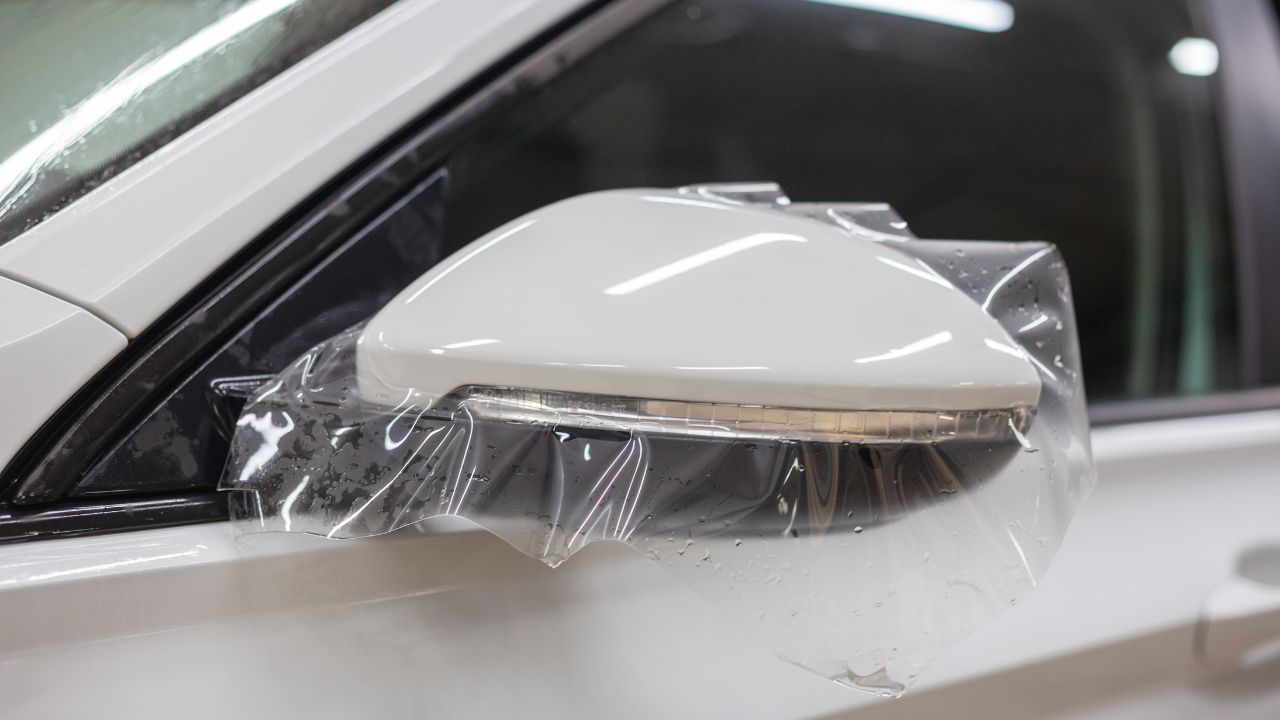
You don’t need to wrap the whole car in the exact same film thickness. A thicker PPF can provide a greater physical barrier against rock chips, road debris, minor impacts, and abrasion.
High-impact areas such as bumpers, hoods, and fenders may justify a thicker film, while lower-impact areas can use a thinner specification when installation efficiency and material cost are more important.
Compare Total Project Cost
Do not evaluate PPF thickness by film price alone. Your actual project cost also includes installation labor, material consumption, and potential rework. A higher-priced film may still be more economical if it helps you maintain consistent installation efficiency and usable material yield. Compare the total cost per vehicle before choosing a specification.
Quick PPF Thickness Selection Guide
| Project Requirement | Suggested Thickness | Key Consideration |
| General full-vehicle protection | 8.5–9.5 mil | Practical starting point for general projects |
| Higher impact exposure | 10 mil | Consider when stronger physical protection is required |
| Complex body shapes | 6.5–7.5 mil | Easier to handle during extensive forming |
| High-volume installation | 8.5–9.5 mil | Balance project requirements with processing efficiency |
| Cost-sensitive projects | 6.5–9.5 mil | Compare material and labor costs together |
FAQs
How Is PPF Thickness Measured?
PPF thickness is typically measured with a thickness gauge or micrometer. Measure the film at multiple points to check thickness consistency rather than relying on one reading.
Does PPF Thickness Affect Optical Clarity?
PPF thickness can influence optical clarity, but the effect is usually related to how evenly the film sits on the paint. Excessive thickness may make uneven application more noticeable, particularly on curved panels.
Should PPF Thickness Be Consistent Across Different Product Lines?
No. Different PPF product lines can use different thicknesses to meet specific application requirements. For example, a premium protection film may be thicker than a film designed for easier handling.
Does PPF Thickness Affect Roll Weight?
Yes. With the same film width and roll length, a thicker PPF generally contains more material and therefore weighs more. For your purchasing and handling operations, this can affect shipping weight, storage, and roll handling. However, the actual weight also depends on the film’s density, layer structure, width, and length.
Can You Layer Two PPF Films for More Protection?
Layering two PPF films is generally not recommended. Adding a second layer increases overall thickness but does not guarantee proportionally better protection. It can also affect adhesion, surface appearance, edge finishing, and installation. For your projects, choosing a suitable single-layer PPF is usually more practical than stacking two films.
Final Thoughts
Still comparing PPF thickness options or unsure which specification fits your applications? WarpMaster can help you evaluate PPF thickness, TPU materials, film construction, and installation requirements based on your projects. Contact our team to discuss your needs and find a PPF solution that fits your applications.