Features of WrapMasterPPF Liquid Metal Wrap
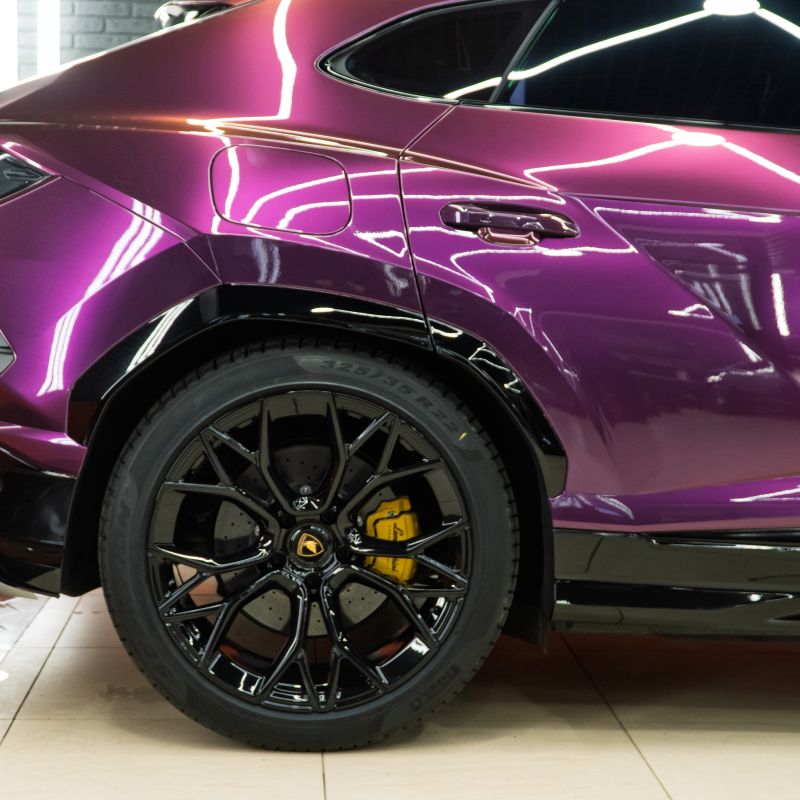
- Advanced metallic particle distribution delivers a flowing liquid finish.
- Noticeable light changes create different visual layers from various viewing angles.
- Reduces the orange peel commonly found in some standard color-change films.
- Delivers a gloss closer to the look of real metal materials.
- Maintains a good metallic appearance after stretching.
- Ideal for creating premium vehicle customization effects.
- Supports custom metallic color development.
- Low-initial-tack acrylic adhesive with micro air-release channels.
Liquid Metal Wrap Manufacturer in China
WrapMasterPPF liquid metal wraps are designed for vehicle customization projects that require a unique metallic appearance without repainting the original vehicle. They create a premium, paint-like metallic finish for luxury cars, sports cars, show cars, and full-vehicle customization projects. Our liquid metal wraps help your customers achieve stronger visual impact, richer color expression, and a more premium vehicle appearance.
WrapMasterPPF provides reliable liquid metal wrap and liquid metallic vinyl wrap solutions with strict production control. Our batch-to-batch color consistency (ΔE <1.5) helps you reduce visible color differences between repeat orders. Supported by a 50,000 m² intelligent factory and 50,000 rolls/month production capacity, we provide stable supply, OEM liquid metal wrap, and private label liquid metal wrap projects.
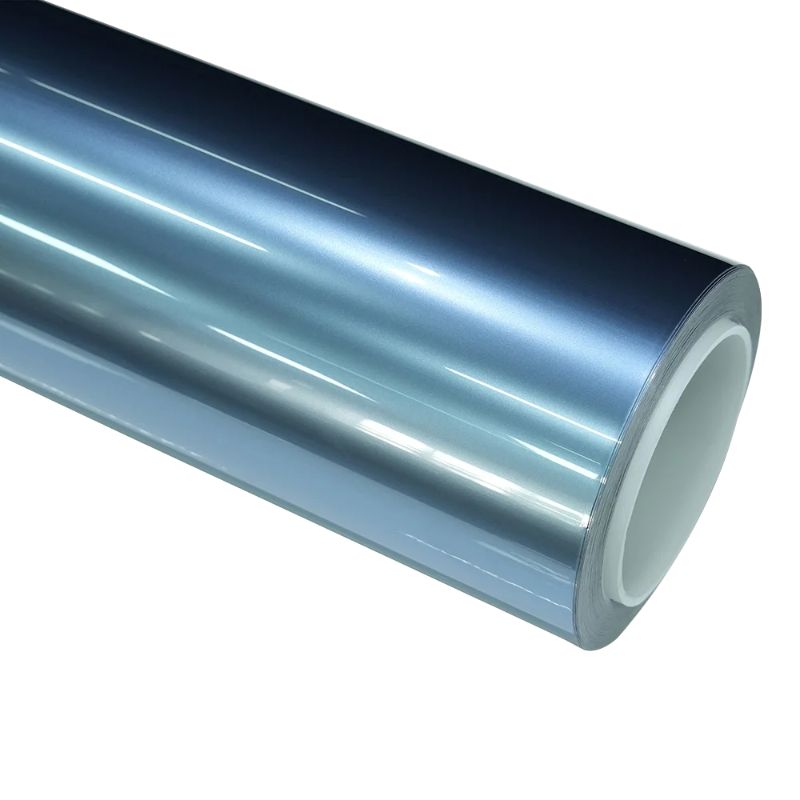
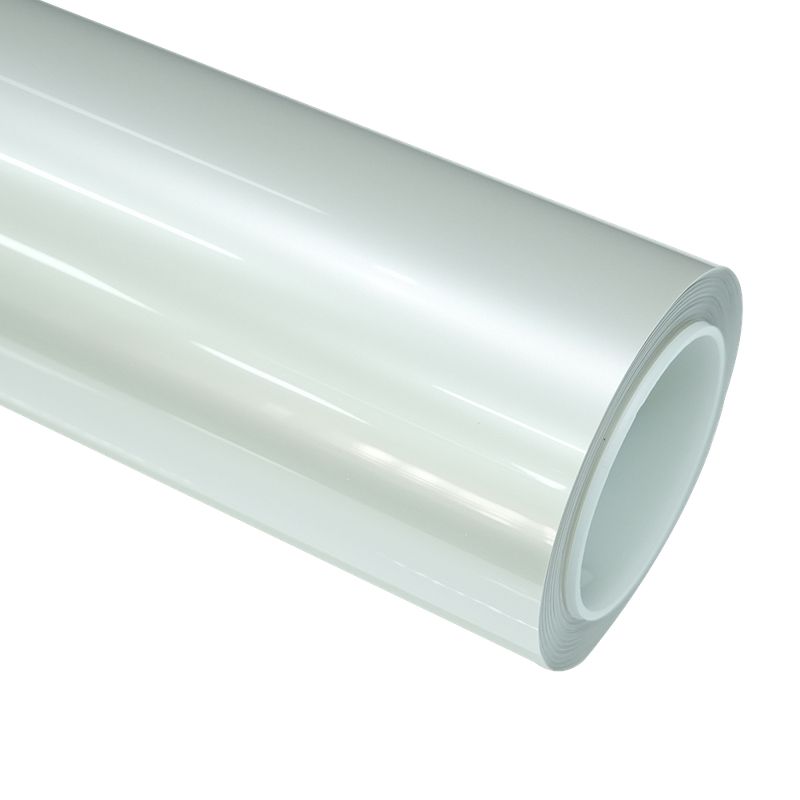
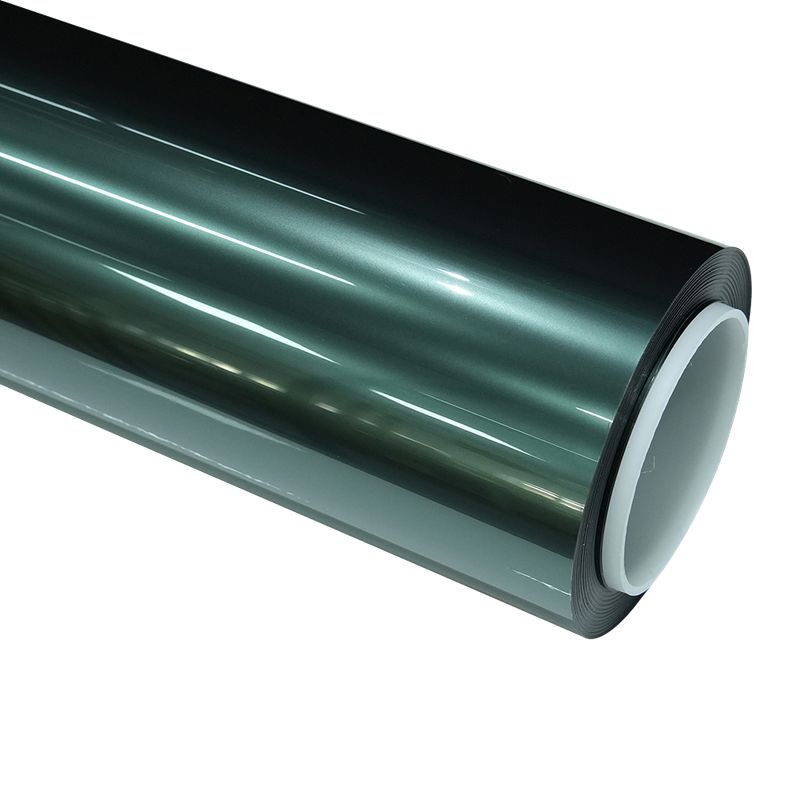
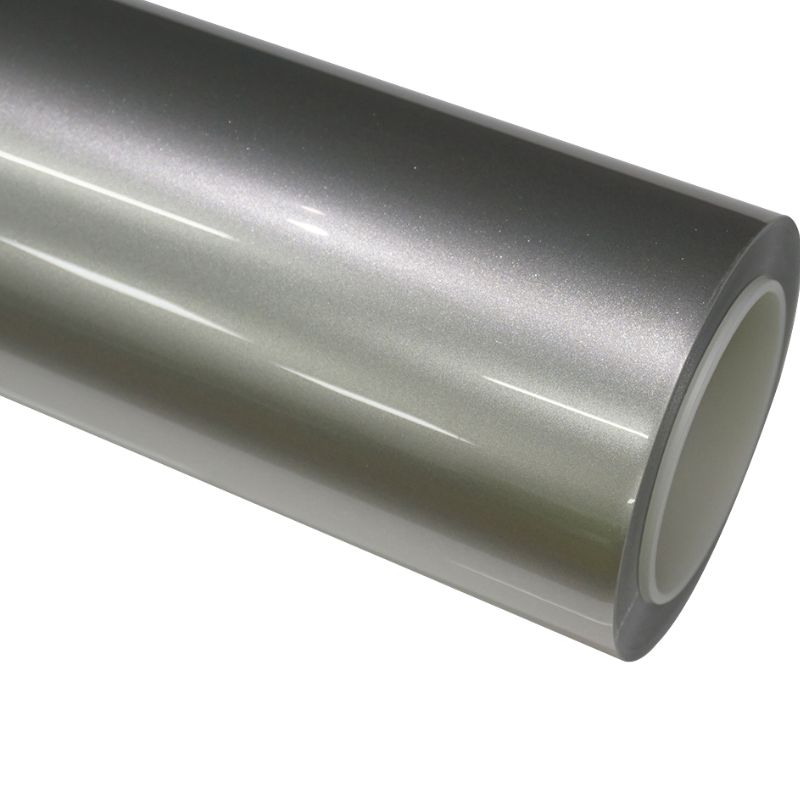
Types of WrapMasterPPF Liquid Metal Wrap
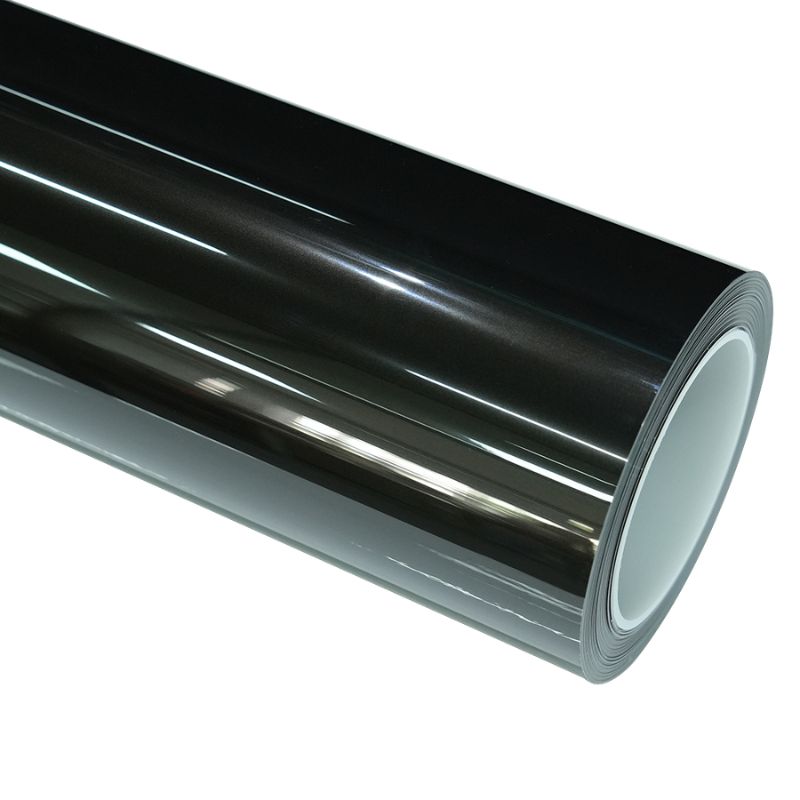
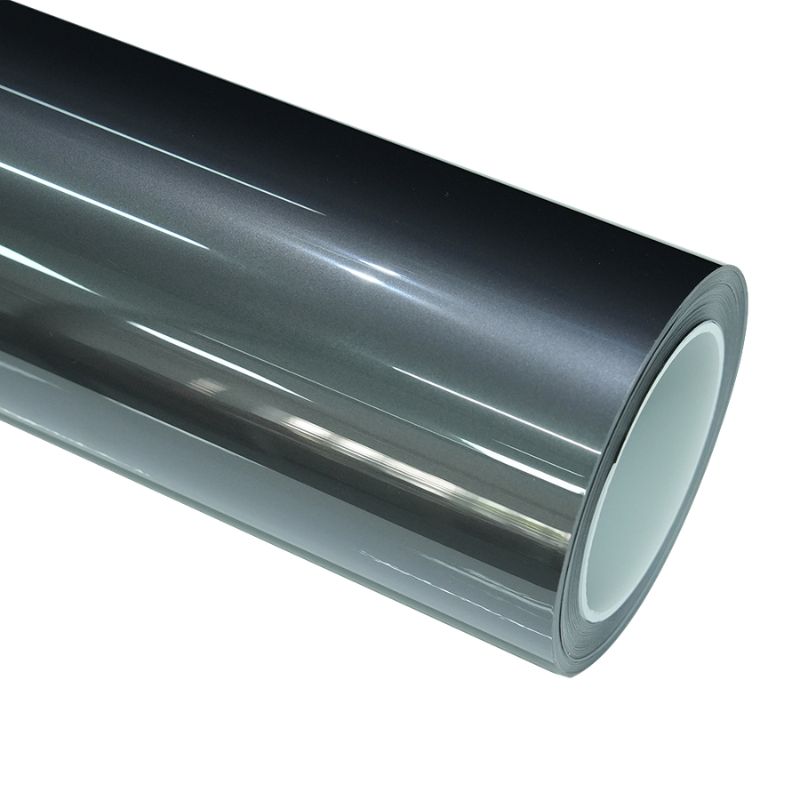
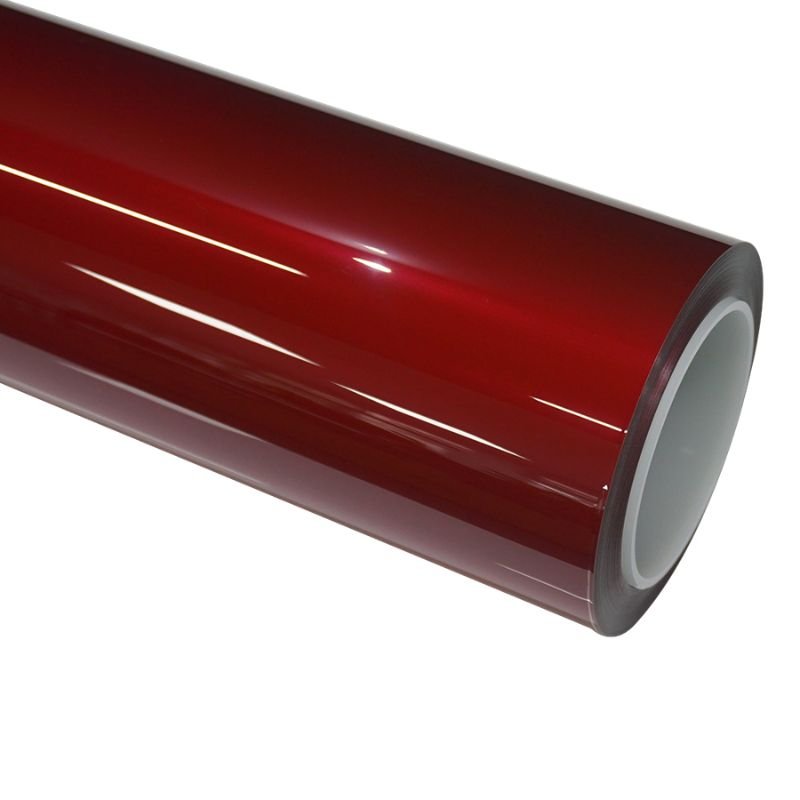
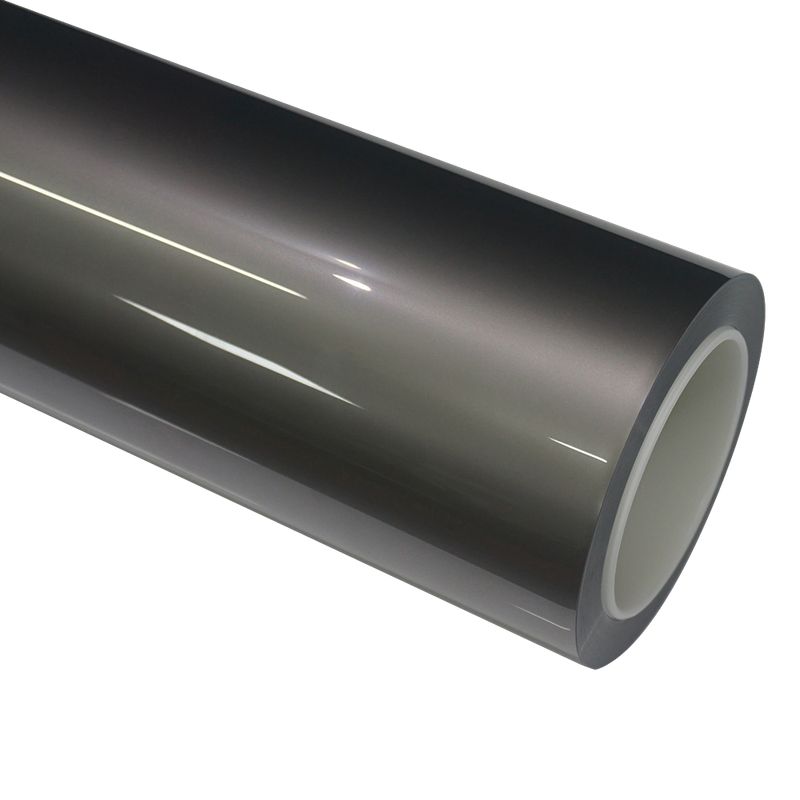
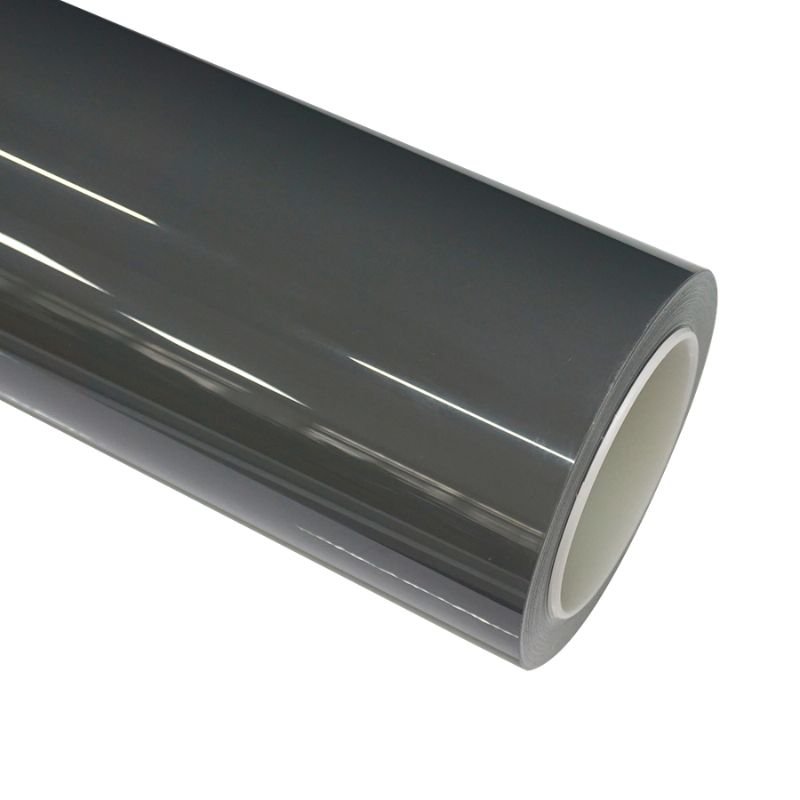
Specifications
| Items | Specifications |
| Film Material | PVC |
| Film Type | Polymeric Vinyl Wrap Film |
| Face Film Thickness | 90 μm (Approx. 3.5 mil) |
| Face + Adhesive Thickness | Approx. 5.1 mil |
| Adhesive | Solvent-Based Acrylic Pressure-Sensitive Adhesive |
| Adhesive Thickness | Approx. 1.6 mil |
| Release Liner | PET, 75 μm |
| Standard Roll Size | 1.52 × 17 m |
| Application Temperature | 16°C to 23°C |
| Service Temperature | -30°C to +50°C |
| Heat Resistance(Short-Term) | Up to +140°C |
| Dimensional Stability | Shrinkage < 2% after heat exposure under specified test conditions |
| Chemical Resistance | Resistant to Common Mild Acids, Mild Alkalis and Salt Under Normal Conditions |
| Product Type | Liquid Metallic Vinyl Wrap |
PET Liner vs Paper Liner for Liquid Metallic Vinyl Wrap
Surface Smoothness
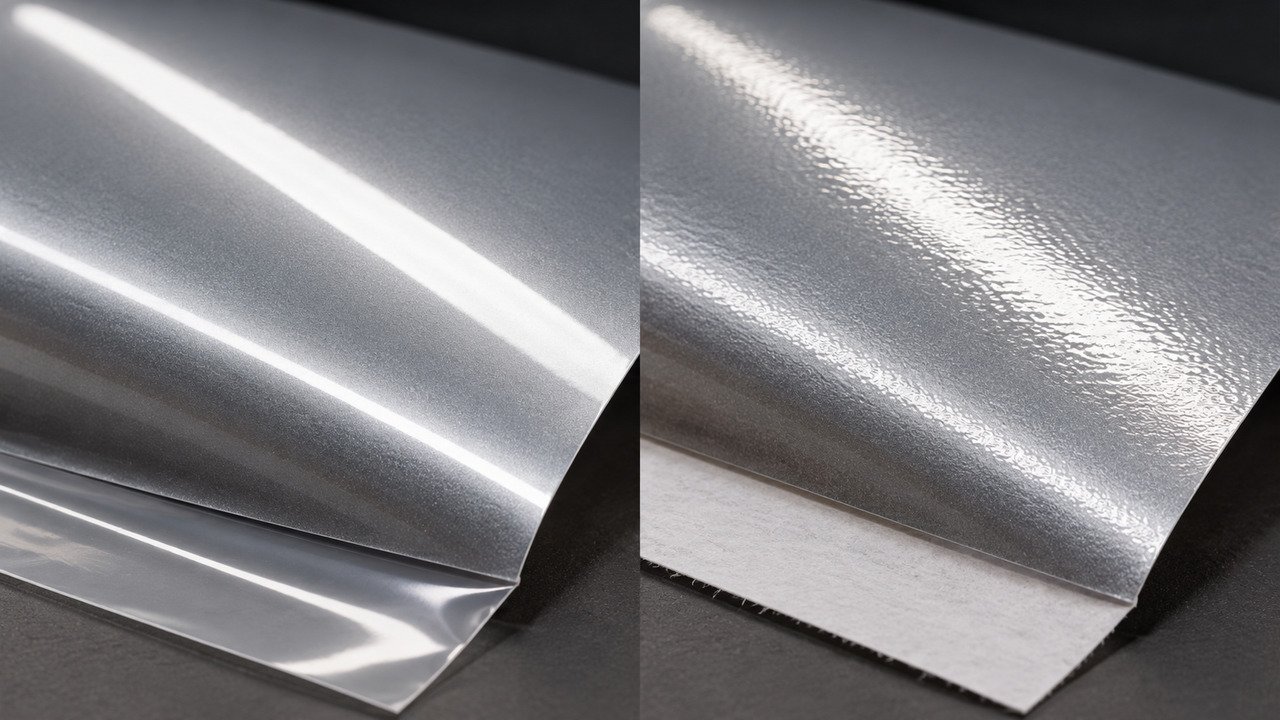
PET release liner has an extremely smooth surface and is important for high-gloss vinyl wrap. After curing, the back of the PVC film becomes flat, resulting in a very smooth, high-gloss liquid metal wrap. Because liquid metal car wraps are highly reflective, any orange peel effect will hurt visual appeal. If you need a high-end liquid metal wrap, a PET release liner is a better choice.
A paper liner has microscopic fiber bumps invisible to the naked eye, which can affect the smoothness of the wrap and cause a slight orange peel effect. For high-end wraps, choosing a paper liner can easily lead to customer complaints.
Gloss and Reflection
The smooth surface of a PET backing results in uniform reflection in liquid metallic vinyl wraps. On curved car bodies, it can also create a natural flow of light and shadow, achieving an effect close to high-end factory metallic paint. Paper backings are more prone to fine fiber textures, which can cause uneven reflection in the high-gloss liquid metal wrap. For matte car wraps, the difference in effect between the two might not be significant, but high-reflective films magnify subtle imperfections, making the difference more noticeable. If you’re looking for higher-priced or high-reputation custom orders, a PET base can directly increase the final price and customer repurchase rate.
Cost and Applications
Although the cost of PET liner material may be higher, its effect is better than that of paper liner. PET liner can reduce surface texture, rework and customer complaints about the high-gloss effect. Therefore, the actual cost of high-end vehicle projects may not be higher. We suggest that you use Paper liner for products with more sensitive budgets, ordinary solid colors, or lower requirements for mirror effect. For low-price bulk orders, liquid metal wraps on paper can be used to meet the needs of consumers with different budgets.
Liquid Metal Wrap vs Chrome Wrap: What’s the Difference?
Appearance and Reflection
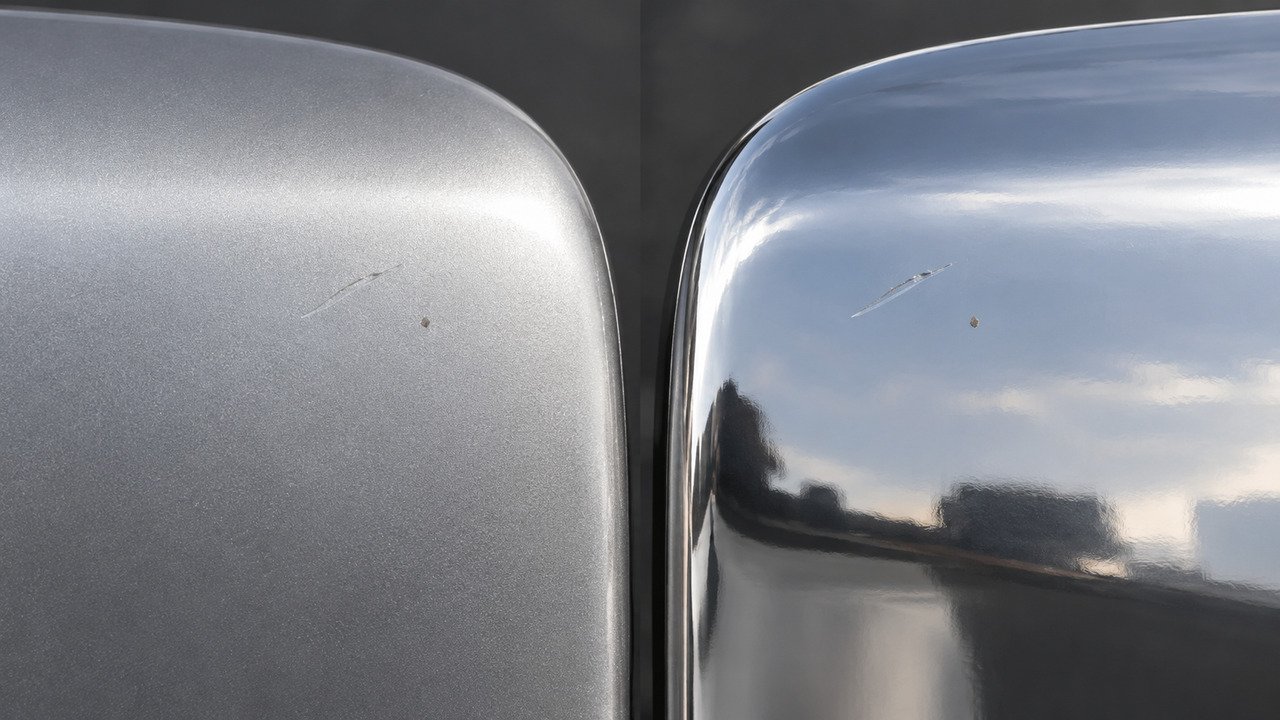
Liquid metal wrap has a soft, flowing metallic look. It does not create the mirror-like reflection of chrome vinyl wrap. Under light, it looks less dazzling, and the light and shadow change more naturally across curved surfaces. If your customers want a high-end and eye-catching finish without looking too flashy, you can choose liquid metal wrap.
Chrome car wrap has a much stronger mirror-like reflection. It can look very bright under strong light and creates a bold, flashy effect. If your customers mainly use their cars for daily driving or business purposes, we do not usually recommend chrome wrap.
Stretching Performance on Curves
When the film is stretched over bumpers, mirrors, fenders, and other curved areas, the metallic effect and reflection may change. Chrome wrap has a stronger reflection, so small stretch marks or uneven areas are easier to see. Your installers need to be more careful during chrome car wrap installation.
Liquid metal wrap has good flexibility. It can handle heat and stretching with less risk of breaking. It is also easier to work with around corners and curved panels. If your projects often include sports cars, SUVs, or complex bumpers, you should test the wrap after stretching instead of judging it only from a flat sample.
Installation Difficulty
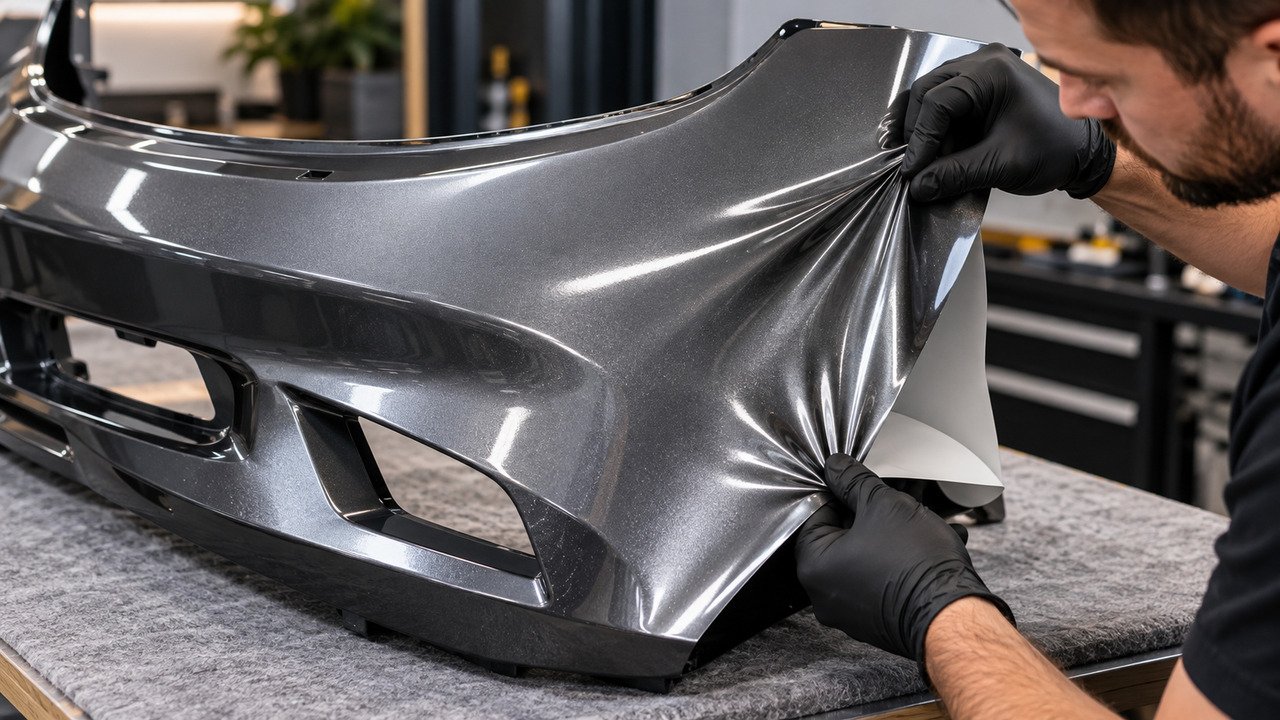
Liquid metal wrap has a moderate installation difficulty. It can usually be repositioned and comes with air-release channels, so your installers can handle it more easily in regular wrapping projects. Easier installation also helps you reduce rework and customer complaints.
Chrome wrap is much harder to install. Your installers need strong skills, and the working environment also needs better control. Creases, cracks, and surface flaws can appear more easily during installation. We suggest using chrome wrap mainly for high-end custom projects.
Surface Defect Visibility
Liquid metal wrap has a softer surface effect, so small dust spots and minor surface flaws are less easy to notice. It gives you more room for small installation mistakes and helps reduce visible defects after wrapping. If you want fewer after-sales problems and a higher first-pass acceptance rate, we recommend giving liquid metal wrap priority.
Chrome wrap has a strong mirror-like surface, so bubbles, dust spots, creases, and adhesive marks are much easier to see. Even very small defects can be noticed by the eye. It also needs stricter storage conditions, a cleaner working area, and more careful installation, so it is less suitable for large-volume wrapping projects.
Best Applications
Liquid metal wrap can be used for full car colour changes, luxury car upgrades, popular retail products, and regular overseas sales. You can also use it as one of your main products.
Chrome wrap is better used as a niche option instead of a main product. It is suitable for car shows, advertising vehicles, and special custom projects. For daily driving, it usually has more limitations.
Long-Term Maintenance
Liquid metal wrap can handle sunlight and regular washing. If your customers wash their cars often, liquid metal wrap is usually a better choice. It is less likely to show wash marks, and small scratches are not as obvious as they are on chrome wrap. The surface can also keep its gloss better over time.
Chrome wrap needs more care in daily use. Hard rubbing can scratch the surface, and automatic car washes may make it look dull or worn. Its service life is also usually shorter. If your customers drive every day, park in different conditions, and do not want frequent cleaning, you can give priority to liquid metal wrap. Chrome wrap is more suitable for show cars or short-term display projects, where daily maintenance is less important.
What Should You Check Before Buying Liquid Metal Wrap in Bulk?
Metallic Effect After Stretching
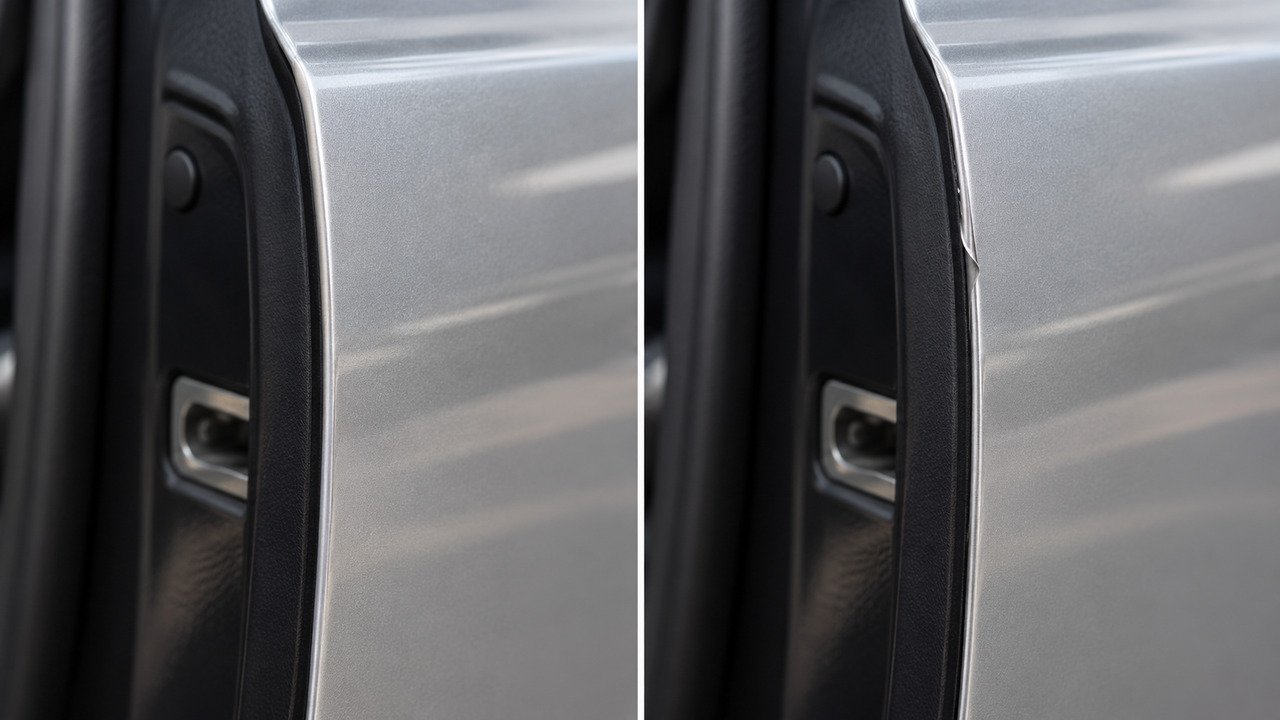
Stretching may alter the arrangement, color intensity and reflection effect of the metal particles on the surface of the liquid metal wrap. When installing the bumpers, rearview mirrors, fenders and wheel arches, the film will be stretched to varying degrees, and there may not be a visual effect on a flat surface. If it is a dark, silver, or highly reflective liquid metallic vinyl wrap, the local variations will be more easily noticeable. Therefore, we suggest that before making the purchase, you conduct sample tests and perform various levels of stretching tests to ensure that your customers will not have to rework or complain due to poor results after applying the film.
Batch-to-Batch Color Consistency
Metallic pigment ratio, coating thickness, and production settings can all affect color and metallic reflection. Even the same color code may look slightly different between production batches. Liquid metal wrap has a stronger reflective effect, so small color differences can be easier to notice than on normal solid-color film.
You can use ΔE color difference as one way to compare liquid metal wrap suppliers, but you should also check the physical sample. Metallic reflection cannot be judged by one number alone. If you want to work with a liquid metal wrap manufacturer for a long time, we suggest choosing a supplier that can control ΔE below 1.5. It can help you reduce color difference problems in repeat orders and avoid complaints from your customers.
Adhesive Tack and Repositioning
Adhesive performance affects installation speed, material waste, and rework. Stronger tack does not always mean better performance. A good adhesive usually has moderate initial tack and allows the film to be lifted and repositioned several times. Your installers have more room to correct mistakes during installation. The film should also come off cleanly without leaving adhesive residue or damaging the paint.
Before you place an order, we suggest that you do more than test how strongly the film sticks. You can check whether the film can slide, lift, and reposition easily. You should also check whether the edges stay in place after installation.
Air-Release Performance
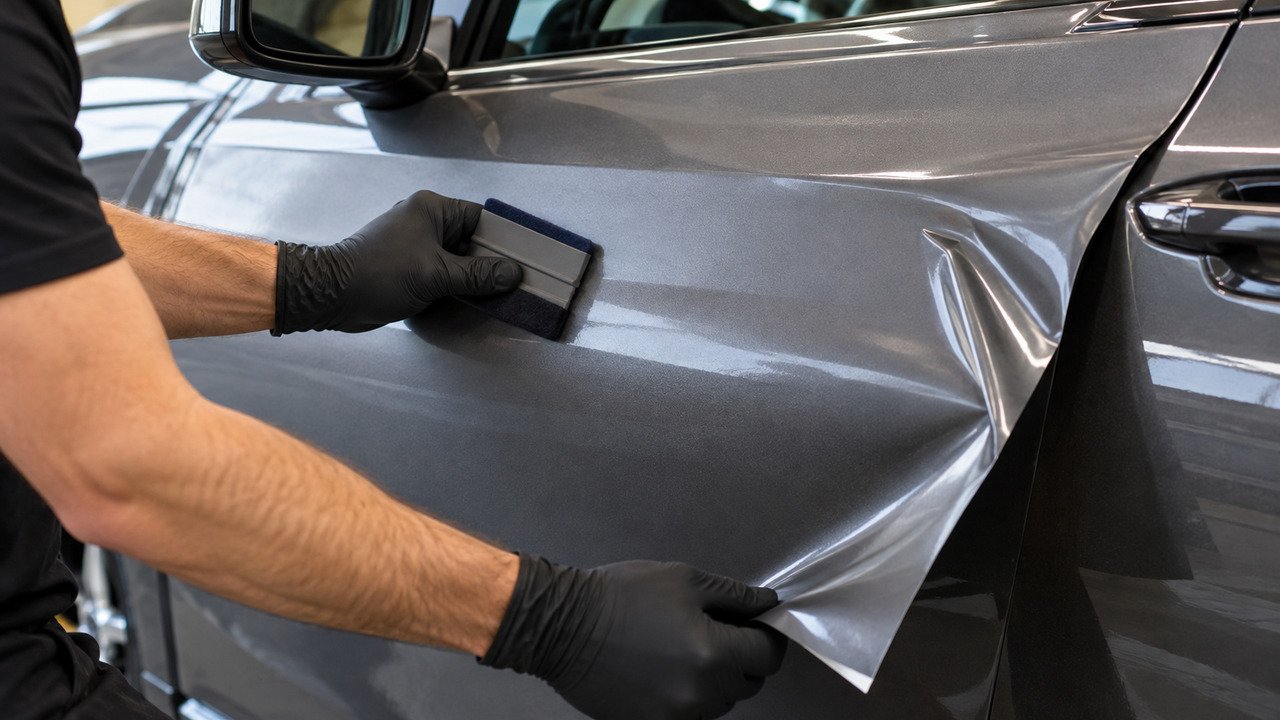
A good air-release vinyl wrap has small air channels in the adhesive. Your installers can push trapped air out more easily and reduce bubbles during installation. Better air release can also make the work faster and reduce after-sales problems.
If you use liquid metal wrap for full car color changes, air-release performance becomes even more important on large areas such as doors, hoods, and roofs. For shops handling many wrap projects, better air release can also improve installation speed and help you finish more orders on time.
Dimensional Stability and Shrinkage
PVC film goes through stretching, calendering, coating, and winding during production. Some tension may remain inside the film. After installation, the film may slowly pull back.
If the dimensional stability is poor, the wrap may look fine at first. After some time, you may see edge shrinkage, exposed paint lines, or lifting. These problems often appear later and can lead to complaints from your customers.
When you buy liquid metal wrap, we suggest choosing a product with shrinkage below 2% under the supplier’s stated test conditions. Better shrinkage control can help you reduce edge problems and long-term rework.
PET Liner and Surface Smoothness
The release liner will be removed during installation, but it still affects how smooth the film surface looks. For liquid metal wrap, this is important because the finish is highly reflective. A smooth PET liner helps the film keep a flat surface with less orange peel and a cleaner gloss.
You can check the surface smoothness under side light or strong light. If you sell high-end liquid metal wrap, we do not recommend changing to a paper liner just to lower the cost. Lower surface quality can make the product look cheaper, which may reduce your customer retention and profit margin.
Roll Size and Material Yield
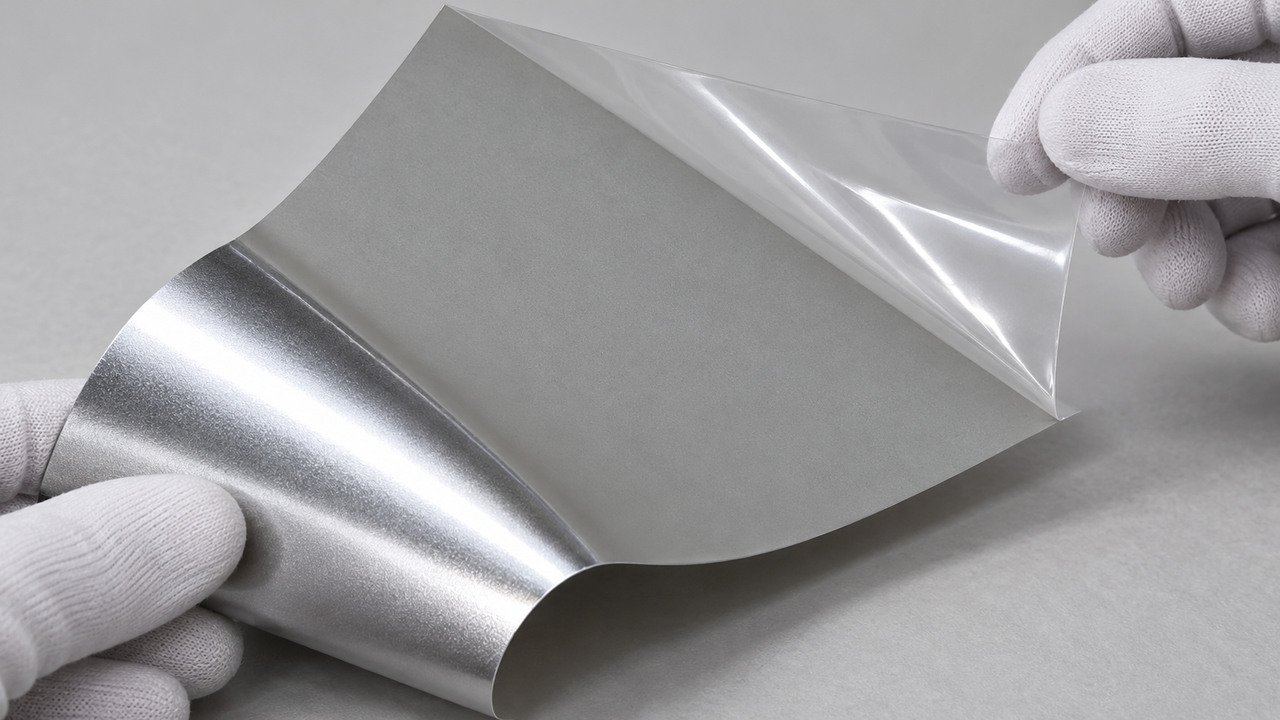
Most liquid metal wrap suppliers offer a standard roll size of 1.52 × 17 m, which fits most vehicle wrap projects. If you use the film for larger vehicles, you should confirm the roll size in advance. We also suggest leaving an extra 6–9 feet (2–3 meters) for cutting and installation.
The same roll length does not always mean the same number of completed projects. Vehicle size, cutting layout, waste, and installation mistakes can all affect material use. When you compare liquid metal wrap manufacturers, you can look at the cost per completed vehicle instead of only comparing the cost per roll.
MOQ, Lead Time, and Repeat-Order Supply
If a supplier has a high MOQ, your cost for testing new colors will also be higher. If the lead time is too long, you may lose orders when you need fast restocking.
You should check the supplier’s MOQ, ready stock, production lead time, and ability to handle repeat orders or urgent restocking. You should also check whether popular colors can stay in stable supply. They help you avoid stock shortages and color differences caused by formula changes.
We suggest choosing suppliers with a low MOQ, stable stock, and batch color difference below ΔE 1.5. This can help you keep less stock and reduce the risk of missing sales during busy seasons.
Many liquid metal wraps have a directional metallic effect. You should confirm the installation direction from the liner markings or a test piece before installation. The metallic particles run in the same direction, so the color and metallic reflection can look different from different angles.
When you install the wrap, you should keep all panels in the same direction. If one part is installed in one direction and another part is turned around, the gloss and color may look different across the car.
We recommend dry installation. Liquid metal wrap with a PET liner may leave permanent water marks if you use the wet method, even when the film has air-release channels. Moisture may also affect the metallic layer and cause uneven reflection. Dry installation can help you reduce water marks and avoid rework after installation.
For standard colors in stock, our MOQ is 1 roll. You can use a small order to test sales and check market demand.
For custom liquid metal wrap, our MOQ is 5 rolls. Special-formula colors require 20 rolls. If you need a custom color, pattern, or quantity, you can send us your requirements. We will confirm the MOQ based on your order.
We recommend post-heating around corners, edges, and wrapped ends. It helps the PVC film set in place and lowers the risk of edge lifting or pull-back later.
Large flat body panels do not need full-area post-heating. You should also avoid heating liquid metal wrap at very high temperatures. Too much heat may damage the top surface and cause dull spots or marks. We suggest using low to medium heat during post-heating.
Liquid metal wrap can be applied to some plastic parts, but not every type of plastic trim is suitable.
If the plastic surface is smooth, painted, and has no texture, you can usually apply the wrap. We do not recommend using it on rough, textured, or unpainted plastic trim. The adhesive may not hold well, and the film may lift at the edges or come loose later.
Yes, we offer color catalog books and sample books showing all standard colors and finishes; a PET/PVC catalog is typically $35 per book. Order one catalog book and we will include several A4 swatches free of charge.
Our liquid-metal PVC wrap can last about 3 years outdoors and around 4 years indoors under normal use. If you or your customer use the film on a vehicle that is often exposed to strong sunlight, rain, or frequent washing, the actual service life may be shorter.